The 5 Essential Features of a Good Email Marketing Campaign in 2026
Features of a good email marketing campaign include a clear subject line, personal touch, strong call to action, and simple design. Good campaigns use lists that remain current and use brief and useful copy.
We soon learned that testing subject lines and layouts can help find what works best. By tracking opens and clicks, you can see what people like.
To assist small businesses, I demystify these characteristics and reveal tips that deliver straight-up, real-time results.
Key Takeaways
Create compelling, personalized subject lines and preview texts to drive open and click rates. Constantly conduct A/B testing to discover what resonates with your audience.
Send valuable content with actionable calls-to-action and keep your message fresh to engage subscribers.
Adopt a clean, responsive design that incorporates your branding and visuals in a consistent way. This design should be accessible via all types of devices.
Segment your readers and customize messages according to subscriber information and actions for more targeted and effective campaigns.
Use automation, psychological triggers such as reciprocity and scarcity, and authoritative content to increase engagement and conversions.
Keep an eye on key metrics and tweak your campaigns. If you don’t have the resources or know-how, outsource your email campaigns to get powerful results.
Table of Contents
The core features of a good email marketing campaign
Your foundational email marketing campaign strategy
Beyond the click: The psychology of engagement
Why mobile optimization is non-negotiable
Measuring what truly matters for growth
When to consider done for you email campaigns
What are the key features of a successful email marketing campaign?
Why is audience segmentation important in email marketing?
How does mobile optimization impact email marketing?
What metrics should I track to measure email marketing success?
How does psychology influence email engagement?
What are the benefits of using done-for-you email marketing services?
The core features of a good email marketing campaign

At its heart, a successful email campaign comes down to a few key features that separate the forgotten messages from the engaged. If you’re a small business or a solopreneur, every message makes a difference. Thoughtful email marketing campaigns mix the right subject, preview, content, design, and action to motivate results wherever your target audience may be.
1. The subject
Subject lines are the very first thing people are going to see. Short, punchy subjects work best. Try to keep it under 50 characters so it doesn’t get truncated, especially on mobile screens. Action words such as “Get,” “Start” or “Discover” are attention-grabbing and create excitement immediately.
Adding a name or location personalization can help increase open rates and make your emails feel less canned. Testing variations across multiple campaigns reveals what language works best for your audience. Tools built into most CRM platforms allow you to split test subject lines to determine which style or word choices generate more opens.
2. The preview
Preview text appears below or beside the subject in the majority of inboxes and provides a second opportunity to catch someone’s eye. Be valuable — inject urgency, additional information, or a sneak peek of the inside. If your subject poses a question, the preview can hint at the answer or emphasize a deadline for a special deal.
Keep it short — around 35 to 90 characters — so it’s visible on most devices. Try a couple, like adding a countdown (“Only 2 days left!”) or emphasizing a solution (“See how we cut costs for owners like you”) to reveal which tactic compels more readers to click.
3. The content
At the heart of your email is your content. Give readers value – offer a tip, respond to FAQs or solve a problem. Storytelling helps to keep people engaged, particularly if you include actual case studies or other quick wins from other customers.
One obvious CTA directs readers to the next step, such as “Book a demo” or “Download our checklist.” Refresh your messages regularly with new offers, insights or resources to prevent them from becoming stale or repetitive.
4. The design
Clean, simple layouts help readers skim and find what matters. Include lots of white space, large clickable buttons, and big fonts so it’s easy to read—especially on phones or tablets. Your logo, color scheme, and style should coordinate with your website and other collateral.
Images and icons interrupt the text, add visual flair, and can help illustrate a point quickly, but don’t inundate the email. Responsive design ensures your message looks great on all screen sizes, so test on multiple devices prior to sending.
5. The action
As with everything else, each campaign needs a goal, such as signups, downloads, or purchases, so measure what matters most to your business. A powerful CTA should be prominent and utilize clear, actionable copy, such as “Begin now” or “Reserve your seat.
Including urgency, such as “Ends soon,” or exclusivity, such as “For subscribers only,” can help accelerate action. Try a few different button colors, sizes, and wording and see what gets the most clicks. Review your results after each send to calibrate future campaigns.
Your foundational email marketing campaign strategy

A solid email marketing campaign begins with well-defined objectives, precise messaging, and a dedication to continuous optimization. Establishing your goals and identifying your target audience segments are essential to creating your base plan. Small businesses and solo entrepreneurs can achieve successful email campaigns by focusing on segmentation, personalization, and email automation.
Segmentation
Recent purchasers
Inactive subscribers
High-frequency openers
Geographic regions
Product interest categories
Audience segmentation starts with your subscribers’ relationship with your brand. By tracking open rates, clicks, and past purchases, you can identify which content resonates best. If a cluster frequently clicks on e-commerce tips, they’ll want more how-to’s or case studies.
Try segmenting your audience by purchase history and engagement frequency. By looking at performance across segments, you might see that one brings higher opens or conversions. Update your segments as your audience’s interests and actions evolve, reviewing your data on a monthly or quarterly basis to maintain relevance.
Personalization
Personalization is more than just a subscriber’s first name; it plays a crucial role in a successful email campaign. Use what you know from profiles, purchases, and browsing behavior to create emails that are uniquely relevant to each individual. For example, suggesting items related to previous purchases or tailoring content according to previous downloads can significantly enhance the effectiveness of your email marketing campaigns.
Dynamic content allows you to switch headlines, calls-to-action, or images in real-time depending on recipient behavior or preferences. This could involve displaying different product suggestions based on browsing behavior or location, which is vital for improving email deliverability. Periodically auditing your personalization tactics ensures your emails remain fresh and engaging.
Effective personalization builds trust and boosts engagement, particularly when subscribers recognize a clear benefit in each message you deliver. By leveraging customer data, you can create tailored messaging that resonates with your target audience, ultimately enhancing customer loyalty.
💡 Using custom values features is great way to dynamically switch not just the customer name but images, headlines and more
Automation
Define campaign goals for each workflow
Choose triggers (signup, purchase, inactivity)
Draft personalized email content for each step
Test workflow with sample subscribers
Monitor open and click rates
Automating welcome emails and follow-ups nurtures leads with minimal manual effort. With behavioral triggers, such as a signup or cart abandonment, you can provide convenience for yourself and offer hot new products for them.
Automation tools allow you to conveniently schedule drip campaigns to take subscribers from awareness to purchase. Monitor the results of your automated emails. See which triggers get the most engagement and adjust timing or content based on performance.
Automation saves time and still ensures every subscriber gets the right message at the right time.
Beyond the click: The psychology of engagement

Feelings about themselves, and it’s not just about getting them to open or click. Effective email marketing is more than that. It’s about getting at the psychology of engagement. Principles like reciprocity, scarcity, and authority all directly influence reactions.
Personalization matters: research shows 74% of people engage more when emails speak to their needs and interests. By building on what your audience already believes, not forcing change, emails feel trustworthy and familiar. Timing counts as well. Emails sent when users are most active, such as weekday mornings, experience higher open and click rates.
Story, intrigue, and curiosity motivate true engagement and make your message memorable. Social proof can increase your conversion rate by as much as 15%. Frequency is key too, as the “rule of 7” indicates that we need to see an offer multiple times before engaging.
Reciprocity
Giving before asking is a powerful engagement tactic. Free resources, like guides or checklists, do more than just clutter inbox space. They establish a norm of reciprocity. Receivers are primed to give back by replying, forwarding, or purchasing.
When you focus on the value these offers provide the subscriber, it demonstrates that you’re interested in their needs, not just your bottom line. This cultivates goodwill that, over time, fosters loyalty and the potential for continued engagement.
Scarcity
Scarcity plays into a primal fear of missing out. We see how limited-time offers or exclusive deals lead to quicker decisions. Saying only 50 left or "offer ends in 24 hours" creates a sense of urgency for readers. This strategy is most effective when the boundaries seem tangible and precise.
Test different scarcity messages: sometimes a countdown clock gets action, other times, a short window for booking a call works better. Scarcity plays nicely with repetition — reminding readers about the ticking clock across multiple emails, as the “rule of 7” illustrates, keeps an offer top of mind and fuels additional conversions.
Authority
Providing expert information establishes your brand as credible. Incorporate case studies, testimonials, and industry stats to support claims. Citing authorities or linking to trusted sources enhances your trustworthiness.
When readers encounter evidence such as customer success stories or independent endorsements, they are freer to believe what you say. You don’t have to brag to be perceived as a leader in your field. It’s about delivering reliable, good content and demonstrating actual outcomes.
Over time, this establishes a trust groundwork and renders each campaign more impactful.
Why mobile optimization is non-negotiable

Mobile is an essential element for every email campaign now. Worldwide, over 50% of all email is opened on mobile. For small business owners, side gigs, and solopreneurs, this translates to most of your audience viewing your emails on a phone or tablet, not a desktop.
If an email appears odd or loads slowly on mobile, 7 out of 10 readers delete it in under three seconds. That’s missed opportunities for engagement, revenue, and credibility. That’s why emails have to fit, load, and read beautifully on any screen size from the get-go.
Making emails mobile-friendly begins with responsive design. Responsive indicates that your email format adjusts to the screen, be it a smartphone, tablet, or desktop. Go with big, clear fonts and nice single-column layouts, and make sure your buttons are easy to tap.
Make images small and sized to load quickly, even on slower mobile data. For instance, a call-to-action button should be no smaller than 44 by 44 pixels so it is easy to click with a thumb. When your email conforms to any device, your message gets read, not deleted.
Mobile is especially important because phones use all sorts of different operating systems and email apps. One email can look fine on an iPhone but broken on Android or in Gmail. Test your emails on multiple mobile platforms before you send to your list.
Utilize email preview tools that display how your email renders on common devices and applications. Take your subject lines into consideration. They have to be short, clear, and punchy since mobile screens display fewer characters. If a subject line gets truncated, it won’t get opened.
Mobile optimization should be part and parcel of your email marketing strategy. Mobile users open their inbox 20 times a day and have short attention spans. They spend only 10 seconds on each email, on average.
They skim, not read, so make sentences short, use bullet points and obvious headlines. If your email is difficult to read or navigate, they’re not just going to delete it; many will unsubscribe. This impacts your list health and future campaign performance.
With a mobile-first mindset and subject line optimizations increasing open rates and conversions, it’s a must-have for any shrinking attention span business in a mobile world.
Measuring what truly matters for growth
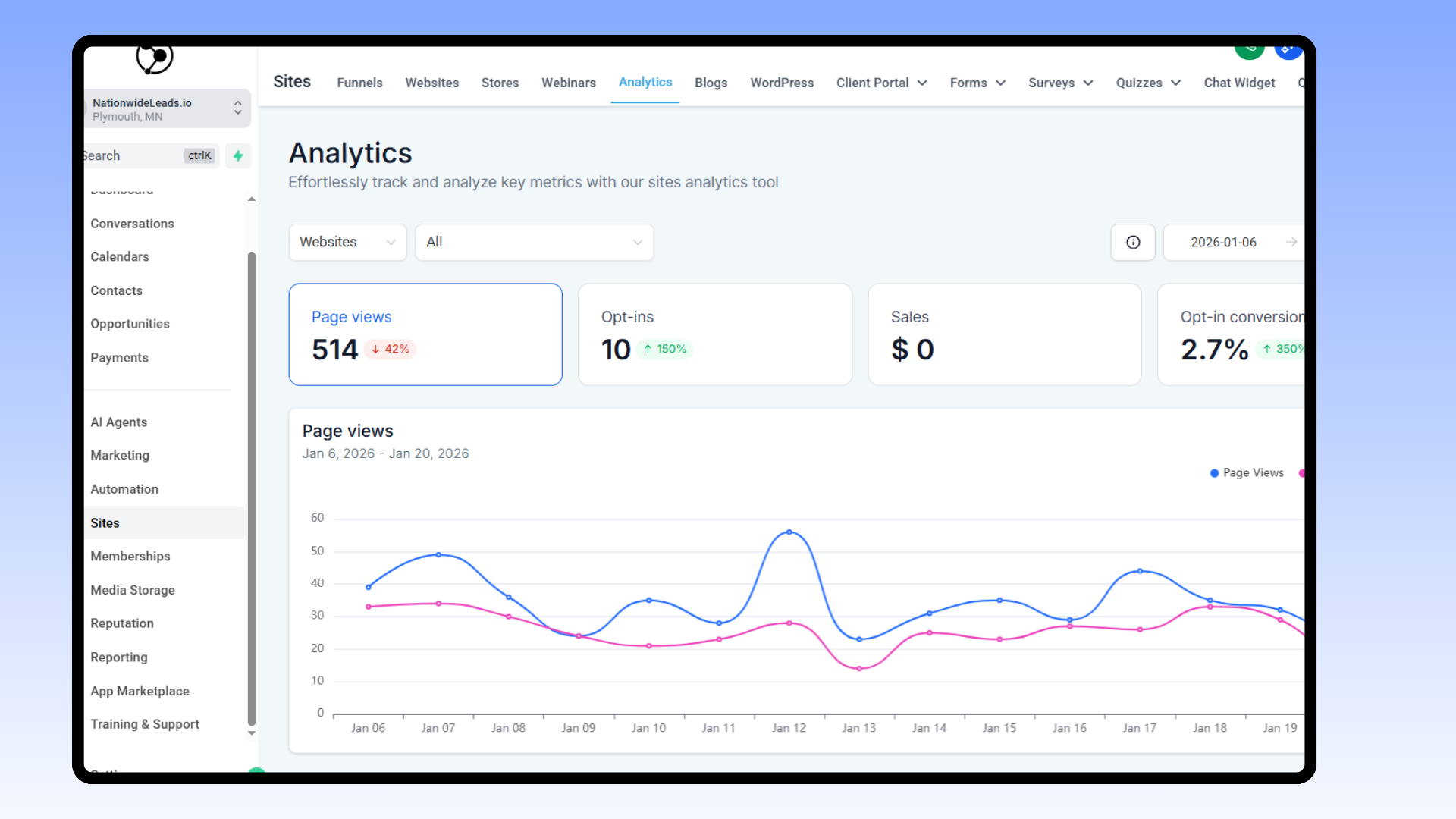
Measuring what matters is what divides small businesses that simply email from those that grow with email marketing campaigns. While it’s easy to look at basic metrics like open rates, these figures don’t necessarily indicate if your email campaign is actually contributing to your business's revenue or retaining loyal customers in the long run. It’s smarter to use key performance indicators (KPIs) that tie straight to your business: metrics like conversions, revenue per email, or how many customers return after engaging with your emails.
For most small businesses, these deeper numbers are much more helpful than simply knowing how many people opened an email. Analytics tools make tracking these KPIs much easier. Most email providers show open rates and click rates, but it’s worth getting a bit more granular. For instance, use Google Analytics or your CRM to identify which specific emails resulted in a purchase or registration, allowing you to refine your email strategy.
💡 Use a CRM software with both internal and external analytics (like Google Analytics) in one place for superior insights and better decision making
If you’re a service business, measure how many people make an appointment after reading a promotional campaign. For e-commerce, look for purchases or average order value from email clicks. You’ll find that focusing on conversions and customer lifetime value (CLV) provides more insight into what’s effective. Reflecting on performance isn’t just an annual activity; establish a routine, perhaps every week or month, to review your important metrics.
That routine check-in helps you notice patterns, such as which email subject lines get the most clicks or what time of day drives sales. Small business owners experience dramatic growth when they begin to send emails at different times and test holidays or days of the week for the most clicks or sales. For some audiences, early in the week is best; for others, it’s weekends. It’s not one-size-fits-all, so always check your own stats.
Making changes based on what you learn is key to improving results. If a campaign receives a lot of opens but very few clicks or no sales, experiment with the email CTAs or content. If you notice particular emails generate more revenue, use these as templates for future successful email campaigns. It’s savvy to use different attribution models, such as first-touch or last-touch, to understand which emails or channels contribute to closing the sale.
Almost no marketers can estimate with confidence the amount of revenue their emails generate, but those who invest the effort to measure and adjust their email marketing campaigns experience consistent growth.
When to consider done for you email campaigns

Good email marketing is about more than messages. It requires talent, time, and a consistent strategy to succeed. A lot of small business owners, solopreneurs, and microbusinesses hit walls with time or skill or both. That’s when done for you email campaigns make sense.
Evaluate your current resources and expertise in email marketing. If your team is small or lacks email marketing know-how, it is tough to build strong campaigns. Good email marketing needs solid copywriting, design, list hygiene, and analytics tracking. It is more than picking a template and hitting send.
For example, if you cannot set up advanced segmentation or A/B testing, results may suffer. If you do not know how to avoid spam filters or write subject lines that get opened, you miss chances. Many small businesses do not have a full-time marketer or the budget for one. If you are juggling sales, support, and admin, your campaigns likely fall behind or never get off the ground.
When to go with done for you email campaigns? Email marketing devours hours—planning, writing, designing, testing, tracking. If you do it yourself, you could waste hours on things that distract you from selling or serving clients. Done for you services allow you to focus on what you do best.
For instance, if you operate a local bakery, your time is best spent baking and chatting with customers—not mastering email platforms. Low cost outsourcing returns to you a mini time vacation every week. It means experts take care of the nitty-gritty, so you don’t stress about missed sends or busted links.
When to think about done for you email campaigns? It is wise to compare the expense and benefits. Will done for you email marketing cost less than internal hiring? Will it generate additional sales or leads? Most offer reports on open rates, clicks, and sales.
If you observe higher numbers than you could achieve on your own, the spend could be justified. For instance, a service that generates just one additional sale a week may well pay for itself. Seek evidence of outcomes, such as case studies, client testimonials, or sample campaigns.
When to use done for you email campaigns to jump-start your marketing? If you need to move fast, outside help is key. Perhaps you want to launch a new product or run a holiday sale, but don’t have the staff to do it right.
Done for you services can step in, configure everything, and get campaigns out the door fast. They have templates, proven subject lines, and know what works for your kind of business. This velocity allows you to catch trends, meet deadlines, and keep in front of your audience when you’re pressed for time.
Conclusion
To have a good email marketing campaign, it’s all about solid objectives and tangible outcomes. Keep subject lines brief, keep the layout simple, and always preview your emails on a phone. Build simple autofill sign-up forms and be brief and candid in your message. Track clicks, opens, and sales with simple tools. See what your readers dig and keep your list clean. For people with no time or skills, done-for-you email services save a lot. Observed a nearby bakery generate increased foot traffic with brief, informal emails concerning daily specials. Test what works, one change at a time. For real assistance or tools that actually fit small shops, try NationwideLeads for free or contact us for a free chat and begin easy, clever email victories.
Frequently Asked Questions
What are the key features of a successful email marketing campaign?
CLEAR SUBJECT LINES, PERSONALIZATION, and effective CALLS TO ACTION are key components of a successful email campaign. These features, along with audience segmentation, drive engagement and conversions.
Why is audience segmentation important in email marketing?
Segmentation means you can send targeted messages, enhancing email deliverability and improving results for your successful email campaign.
How does mobile optimization impact email marketing?
Mobile optimization is crucial for successful email campaigns, ensuring your emails look beautiful everywhere, especially since most users open emails on their smartphones. Poor mobile design kills engagement.
What metrics should I track to measure email marketing success?
Monitor open, click, conversion, and unsubscribe rates to improve your email marketing campaigns and enhance customer engagement.
How does psychology influence email engagement?
Understanding your audience segments and their behavior will help you craft successful email campaigns. Utilize personalization and emotional triggers to enhance engagement and build trust.
What are the benefits of using done-for-you email marketing services?
These services save time and keep things professional, allowing you to focus on your email marketing campaigns. Industry pros handle strategy, design, and analysis, ensuring better results with less effort.
When should you consider outsourcing your email campaigns?
Outsource when you don’t have the time, expertise, or resources to run successful email campaigns effectively. Professionals can maximize your ROI and grow your business.