5 Effective borrower relationship management strategies for loan officers
Borrower relationship management strategies refer to how lenders maintain positive relationships with borrowers via trust, clear communication, and prompt assistance.
Small business lenders and microloan firms employ simple check-ins, user-friendly portals, and quick help lines to maintain borrower satisfaction. Leveraging CRM tools enables you to monitor discussions, repair problems promptly, and identify patterns.
Friend support teams make borrowers feel heard, too. Then discover strategies and technologies for powerful borrower relationship management.
Key Takeaways
Establishing trust and transparent communication must be a priority in any serious long-term lender-borrower relationship.
By leveraging digital tools and borrower data for personalized experiences, lenders can effectively respond to the specific needs of each borrower.
Proactive communication and regular check-ins can help you avoid problems and create a positive borrower experience for the entire lending journey.
Incorporating a unified CRM system strengthens data protection, automates processes, and provides a greater understanding of borrower interactions.
Selecting communication platforms that offer multi-channel integration, secure messaging, and compliance functionality facilitates regulatory compliance and borrower convenience.
Providing personal financial advice and adaptive solutions when times are uncertain bolsters relationships and demonstrates dedication to borrower success.
Table of Contents
Why relationships matter more than rates
Core borrower relationship management strategies
The right borrower tracking CRM
Choosing a borrower communication platform
Checklist for choosing a borrower communication platform:
Navigating economic uncertainty together
The future of borrower relationships
Why is borrower relationship management important?
What are the core strategies for managing borrower relationships?
How does a borrower tracking CRM help lenders?
What features should a borrower communication platform have?
How can lenders support borrowers during economic uncertainty?
What trends are shaping the future of borrower relationships?
Why relationships matter more than rates

Borrower relationship management is a lot more than just looking at loan numbers or hunting for lower rates. For small businesses, microbusinesses, and side gigs, how you work with lenders defines your day-to-day operations and your long-term business growth. Lenders and borrowers alike benefit when they invest in robust, enduring relationships that enhance the overall lending experience.
Trusting borrowers does more than increase customer loyalty; it stabilizes businesses. When a bank or factor understands the financial situation of a company, they can identify cash flow requirements early and provide assistance before it becomes constricting. This isn’t simply about account retention; it means fewer emergencies, fewer last-minute calls, and more time spent on the business.
For a microbusiness, a trusted banking partner could flag when deposits dip and recommend a temporary line of credit instead of waiting for overdrafts to stack up. This trust cuts stress on both sides and keeps the emphasis on running the business, not controlling damage, thus fostering strong borrower relationships.
Prioritizing the borrower experience is about ensuring each step of the lending process is seamless and transparent. When lenders know their client’s daily needs, it becomes simpler to keep funds flowing and eliminate choke points. For example, a banker who is familiar with your payment cycles can help you prepare for busy seasons, maintaining cash flow and ensuring a smooth lending journey.
Close lender-borrower relationships also lead to fewer late payments or surprises, as both parties are aligned on borrower expectations. These little touches, such as on-time reminders, clear terms, and dependable support, are a huge differentiator, particularly for small business owners who wear a lot of hats in their financial obligations.
Strong lender relationships are the secret to sustainable success in the lending market. It’s dangerous to rely too heavily on a single source. Nurturing multiple relationships diversifies risk and may result in preferable terms. They’re more likely to extend good rates or flexible terms to businesses they trust and know.
If a business maintains accounts and communicates transparently, banks are happier to provide support in slow times or solutions to immediate needs. This mutual trust provides a solid context for development, enabling proprietors to schedule in advance with greater certainty and meet borrower expectations more effectively.
That’s why emphasizing borrower engagement enables lenders to not only meet those expectations but forge long-term partnerships. Lenders that touch base frequently, listen to borrowers, and act fast demonstrate they care about the relationship—not just the deal, enhancing the successful lending experience.
This is particularly crucial when a business encounters hard times. A lender who knows the business’s story and needs will work to find a solution instead of jumping right to penalties or shutdown. Ultimately, these relationships foster better financial habits and result in more successful outcomes for all parties involved in the lending process.
Core borrower relationship management strategies

Proper borrower relationship management is not simply good legal hygiene or harassing reminders; it's about fostering trust and cultivating an enduring, trust-based relationship that empowers borrowers at every step of their journey. For small businesses and solopreneurs, this means implementing effective lending solutions that ensure every borrower feels seen, heard, and supported while balancing fair pricing and healthy margins.
1. Proactive communication
Monthly or quarterly check-ins keep borrowers informed on their loan status and forthcoming milestones, enhancing the overall lending experience. This isn’t just checkbox stuff; it’s effective borrower relationship management that fosters trust and minimizes anxiety. With deadline and payment reminders, borrowers stay on track, reducing missed payments and uncomfortable follow-ups, ultimately leading to successful lending outcomes.
Open dialogue is essential in the lending market. Be proactive by inviting questions and listening to borrower concerns. Don’t wait for issues to snowball; addressing concerns early allows for collaboration to resolve them before they escalate. This proactive approach not only improves borrower loyalty but can significantly raise profitability.
As a result of this, fast resolution of borrower concerns not only enhances satisfaction but can also bolster retention, increasing profitability by anywhere from 25% to 95%. By focusing on strong borrower relationships, lenders can create a smooth lending journey for all parties involved.
2. Digital personalization
Personalization is no longer a perk—it’s standard. Nearly half of US online adults desire offers customized to their financial circumstances. Leverage borrower data to make your communication feel personal, not generic.
CRM tools can help track borrower behavior, preferences, and history so that every touchpoint from e-mails to offers matches their needs. Personalized marketing campaigns resonate with borrowers more profoundly, demonstrating that you recognize them as people, not just numbers.
Tailored loan offerings that cater to specific financial objectives differentiate your service. This degree of personalization fosters trust, which 95% of consumers say is essential to loyalty and increased expenditure.
3. Financial guidance
Provide continuous education, via webinars, funnels guides or even direct coaching, to assist borrowers in making informed financial decisions. That doesn’t just empower borrowers, it demonstrates you care about their long-term success.
By providing advice on prudent borrowing, repayment possibilities and even industry trends, borrowers are more financially responsible. Individual financial coaching can be a game changer for borrowers who need extra guidance, building loyalty and faith.
Transparent loan terms and conditions avoid misunderstandings and minimize conflicts, fostering a more seamless experience for all.
4. Unwavering transparency
Transparency creates trust and is mandated by rules like the TILA (Truth in Lending Act). Be upfront about all fees and charges. Provide real-time updates on loan processing so borrowers are not left in the dark.
Share documentation requirements in advance to prevent surprises. Don’t make compliance a checkbox—it’s the bedrock of transparent, trustworthy relations. Trust is the foundation of deep borrower relationships and long-term business success.
5. Post-closing engagement
Close with follow-up to check borrower satisfaction and address remaining questions. Provide ongoing loan servicing assistance, not just on request.
With a borrower portal, you allow clients to access loan information, payment history, and educational materials at any time, which empowers them and fosters a deeper relationship. Solicit feedback to identify pain points and make the experience better for subsequent borrowers.
The right borrower tracking CRM

Effective borrower relationship management is key to successful lending, especially for small and growing lenders. A robust borrower tracking CRM can unify operations by tracking borrower activity, centralizing loan communications, and automating repetitive tasks, ensuring a smooth lending journey. Choosing a CRM that centralizes borrower data and provides advanced performance analytics is vital for lenders aiming to enhance conversion rates and foster trust with their clients.
In the quest for the ideal CRM, it’s important to find one that streamlines communication and workflow, supports strong integrations, and offers actionable insights through analytics. This approach not only helps in meeting borrower expectations but also strengthens borrower loyalty, ultimately contributing to the lender's overall lending experience.
The table below compares popular borrower tracking CRMs, highlighting key features, benefits, and integration options to assist lenders in making informed decisions regarding their borrower engagement strategies.
Centralized data
The Right Borrower Tracking CRM should house all borrower information and make it simple to access and share across your team. No more digging through email chains or spreadsheets. Everyone has access to what they need in one place.
A source of truth for loan documents and communications minimizes errors, increases compliance, and makes audits less stressful. Robust access controls protect borrower data, ensuring only authorized individuals can view sensitive information.
This is critical for lenders managing high volumes or operating remotely. With detailed borrower profiles, loan officers get the complete picture behind every client, simplifying the identification of opportunities and risks. Better decision making starts with having it all in one place.
Automated workflows
By automating mundane tasks, loan officers can focus less on manual entry and more on connecting with borrowers. CRMs allow you to configure triggers for follow-ups, so the system nudges you when it is time to check in based on borrower behaviors, such as document uploads or impending deadlines.
Automated document collection reduces back-and-forth emails and accelerates the application process. Reliable workflow management keeps every team member on the same page, minimizing lag and manual mistakes.
In doing so, lenders can sharpen their productivity, close loans faster, and enhance the borrower experience.
Performance analytics
Performance analytics in a CRM lets lenders see what works and what doesn’t. Borrower data can be mined to identify patterns, discover campaigns that attract quality leads, and optimize the lending approach. Tracking crucial metrics such as conversion rates and revenue per lead demonstrates the impact of engagement initiatives and identifies opportunities for improvement.
Below is a table of key performance metrics and their significance:
Knowing borrower satisfaction enables lenders to fine-tune processes and offerings to better serve clients. There is always room for improvement when you have the right data at your fingertips.
Choosing a borrower communication platform
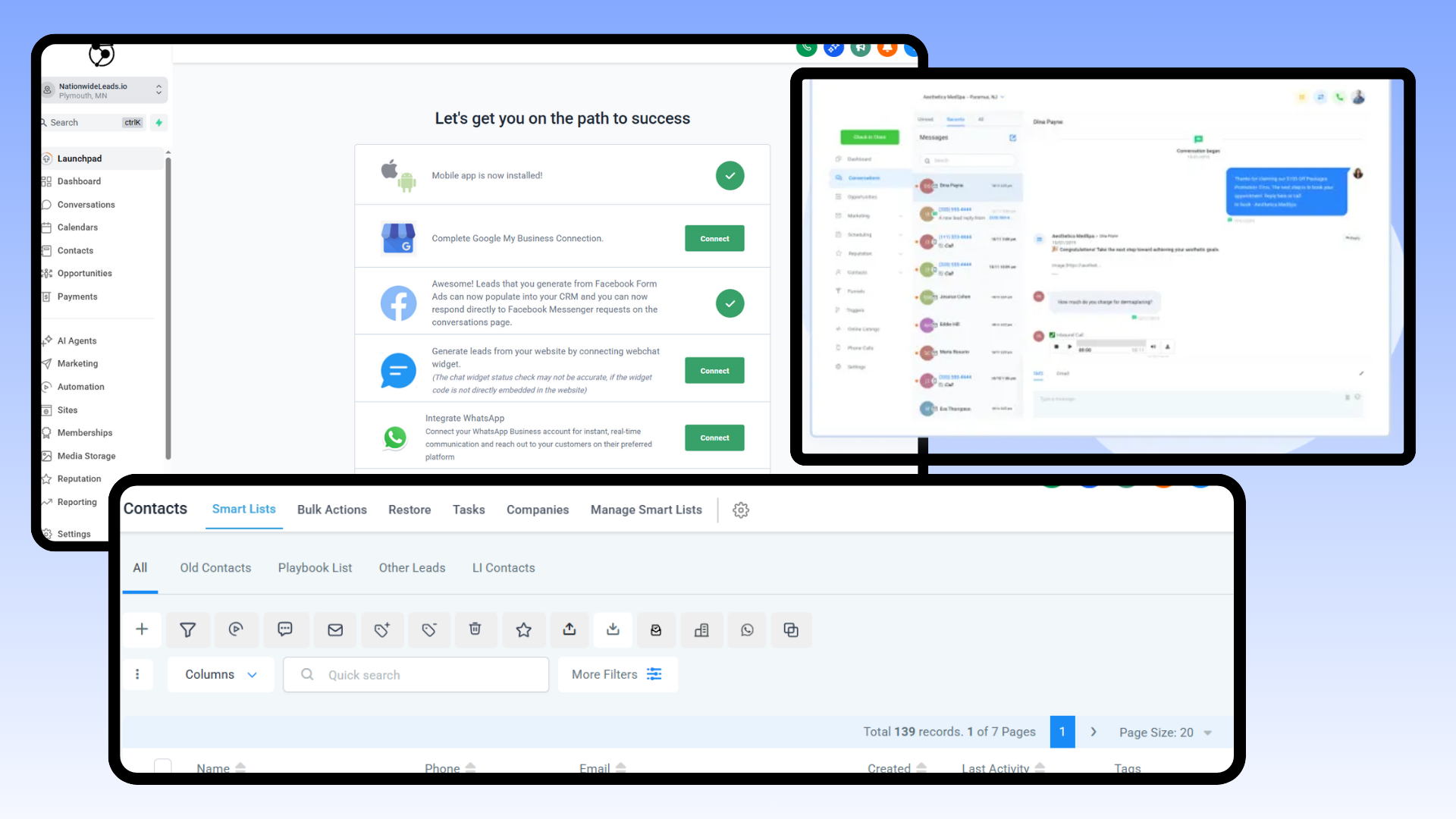
About: Choosing a borrower communication platform defines how lenders interact with borrowers and manage relationships. Robust, frequent borrower relationships reduce delinquency and increase satisfaction. Borrowers now anticipate the same digital ease from lenders as they have with their bank applications or fintech devices.
A good platform needs to enable omnichannel experiences, seamless integration, powerful analytics, and security, as well as be easy to manage and scale.
Multi-channel integration
Your borrowers are doing more than just email, right? A modern communication platform must support email, SMS, phone, and even secure online portals so they can connect the way they want to. This versatility satisfies worldwide demand.
Borrowers across the globe can have different expectations. Handling all borrower touchpoints through a single dashboard reduces friction and allows small business owners and teams to stay on top of conversations.
By tracking engagement across these channels, lenders can know what works and what needs adjustment. For instance, if SMS reminders increase response but emails are ignored, lenders can migrate more notifications to SMS.
Platforms like these can automate workflows, reducing manual work by as much as 40%. This allows teams to focus on high-level strategic projects instead of chasing paperwork. Lenders who give borrowers a choice, such as letting someone choose WhatsApp or scheduled phone calls, experience higher satisfaction and lower miss rates.
Secure messaging
All borrowers anticipate their personal and financial information to be secure. Platforms should implement strong encryption such as 256-bit AES and SSL 1.2+ for all communications and have role-based access controls.
These defenses are critical in defending sensitive borrower data from increasing cyber threats. Safe portals to share documents are a given, as lenders need to swap ID proofs, bank statements, and contracts all the time.
Compliance with global data protection laws is not optional. Lenders should choose platforms that keep them on the correct side of laws whether in the US, Canada, or other regions.
Teaching borrowers why they should use secure channels for key documents instead of email attachments fosters trust and limits the potential data leak. Security features such as audit trails and access logs assist lenders with knowing who saw what, aiding both in privacy and compliance.
Compliance features
Compliance is a moving target. Great platforms include built-in compliance tools, automate documentation, and stay current with evolving regulations. Lenders can schedule and automate reports, back their audit trails, and utilize customizable templates for all communications.
This minimizes errors and accelerates audits. Training staff is another component of the mix. Platforms should provide information and reminders around compliance best practices.
Periodic policy review assisted by platform alerts and analytics helps lenders stay ahead of regulatory risks. As commercial lending expands rapidly, projecting a market size of $21.62 billion by 2028, remaining compliant is crucial for sustained success.
Checklist for choosing a borrower communication platform:
Multi-channel support: Email, SMS, phone, and more for borrower convenience.
Security: End-to-end encryption, SSL, and role-based access.
Compliance: Built-in tools for tracking, reporting and staff training.
Integration: Easy setup with existing systems and workflows.
Analytics: Comprehensive, customizable reports and scheduling options.
Scalability: Grows with your business and supports white-label features.
Borrower choice: Lets users pick their preferred communication method.
Navigating economic uncertainty together
To steward strong borrower relationships through economic highs and lows requires more than a sure hand. The economy can boom, stagnate, or contract, and each path requires a different response from lenders and small business owners. Banks and lenders ought to ensure their processes and sales techniques are aligned with the demands of today’s lending environment, not last year’s.
For small business owners, the terrain is even more treacherous; interest rate shifts and credit availability can rearrange plans on a dime. I believe the trick is to keep things flexible, transparent, and reactive for all parties involved, fostering a successful lending experience.
Providing flexible payment plans is one of the most immediate ways to support borrowers in coping with evolving circumstances. When the market swings or a customer’s cash flow tightens, firm payment schedules can transform a controllable issue into a catastrophe. Lenders can provide interest-only periods, payment holidays, or extended terms to give the borrower space to recalibrate without damaging their credit score.
For instance, if interest rates fall below 1 percent or spike, adjusting repayment plans can help small business owners keep up rather than fall behind. This approach not only diminishes defaults but also builds long-term trust, which can enhance borrower loyalty and reduce client churn. Banks face this challenge in spades, with almost 10% of clients leaving banks every year.
It’s critical for borrowers to get timely updates on market conditions in order to make smart decisions. Economic uncertainty is frequently accompanied by abrupt rate and credit changes. When lenders provide regular, transparent reporting on market changes, such as an unexpected decline in originations or variations in typical rates, borrowers can anticipate and adjust rather than be blindsided.
This is all the more important as loan origination activity slows to more normal levels, making every relationship more precious and worth protecting. Access to usable data is crucial here. Without clear, actionable information, both sides are left guessing, which increases risk and weakens the lender-borrower relationship.
Working together with borrowers to develop tailored solutions in a challenging period can go a long way. Instead of one-size-fits-all answers, lenders can collaborate with customers to determine what’s the best fit, whether it’s a loan restructuring, bridge financing, or assistance with digital tools to optimize cash flow.
These personalized answers demonstrate that lenders understand the specific stresses of small business owners and are willing to dedicate effort and resources to assist. It lowers stress, particularly when client portfolios expand and cross-divisional coordination becomes tricky.
Cultivating open communication comforts borrowers when things are ambiguous. Fast, candid communications avoid confusion and maintain client involvement. Relationship managers need to focus on meaningful contact, not just paperwork.
It takes a lot of admin to wear down a client’s patience. Direct lines, be it phone, email, or in-app messaging, demonstrate to customers that they are important and not just a statistic.
The future of borrower relationships

Borrower relationships are evolving rapidly in the lending market. Small businesses and solopreneurs want more than just a loan — they seek a successful lending experience that includes genuine support, straightforward answers, and flexible terms aligned with their financial goals. Personalization will be the way forward, as borrowers desire lenders to tailor offers and advice to their individual circumstances and financial objectives. The blanket days are gone.
Borrowers want to educate themselves, compare options, and vet lenders before making decisions, so every lender must be transparent, ethical, and willing to demonstrate their worth upfront. Embracing technology is no longer an option; it’s a necessity. Automation and API-first design now make it easy for lenders to eliminate slow processes, provide instant responses, and meet borrowers where they are in their financial situations.
For instance, a lender who employs loan servicing software to monitor every conversation, email, and document can identify issues quickly, demonstrating to borrowers that they are recognized and cared for. Chatbots, self-serve portals, and digital contract signing are tools that empower individuals to complete necessary tasks whenever inspiration strikes, without waiting for office hours.
These enhancements translate into reduced anxiety, superior support, and increased confidence developed over time. With long-term partnerships being the true road to victory, it’s not the quality of the loan itself that brings people back; just 20% of borrowers say it’s most important. Instead, frequent check-ins, frank conversations, and assistance during hardship can distinguish a lender and foster trust.
Providing flexible plans, such as reducing payments or allowing interest-only payments when cash is limited, demonstrates that a lender is invested in addressing real-world issues. The payoff is huge; keeping just 5% more customers can lift profits by up to 95%. Small businesses, in particular, remember who was there when it counted.
Borrower expectations will continue to evolve, so lenders need to remain astute. This means not just keeping up with technology but also seeking out new opportunities to simplify the process. For instance, displaying transparent and concise loan details on a dashboard or allowing individuals to inquire in real time fosters trust quickly among prospective borrowers.
Lenders who listen and evolve, rather than sticking to old practices, will gain borrower loyalty. Ensuring that every step is transparent, fair, and straightforward will prevail as borrowers become increasingly savvy and selective about whom they trust. Ongoing borrower education is the final piece of the puzzle.
When lenders guide individuals through their decisions, risks, and opportunities, borrowers can take smarter actions for their future. Short guides, online classes, or 1-on-1 help can give borrowers more control and make them feel valued. It’s not only about vending a loan; it’s about assisting individuals evolve and remain powerful.
Conclusion
Deep borrower relationships will always trump the lowest rate. They’re looking for trusted assistance, not a fast deal. Okay borrower management is more than a flash CRM or slick chat tool. It means straight up convo, quick responses, and genuine concern. A lot of lenders lose deals because they overlook the little things. They miss a call, send a cold email, or neglect a follow-up. Easy solutions leave a great impression. Work with tools that work for you, not that hang you up. Pay attention to your borrowers’ emotions, not only your data. In hard times, a good relationship keeps your doors open. Try NationwideLeads and experience the difference.
Frequently Asked Questions
Why is borrower relationship management important?
Good borrower relationships foster trust and loyalty, enhancing the overall lending experience while smart management assists lenders in meeting borrower expectations.
What are the core strategies for managing borrower relationships?
At the heart of these strategies for successful lending are personalized communication, regular feedback, timely support, and using data to understand borrower expectations, all of which enhance the overall lending experience.
How does a borrower tracking CRM help lenders?
A borrower tracking CRM consolidates all borrower information in one place, tracks every interaction with borrowers, and automates tasks, fostering strong borrower relationships and enhancing the overall lending experience.
What features should a borrower communication platform have?
A solid platform should support multi-channel secure messages, automated reminders, and seamless integration with other systems, ensuring effective borrower engagement and a smooth lending journey.
How can lenders support borrowers during economic uncertainty?
Lenders can provide flexible repayment options and proactive assistance, fostering trust and enhancing borrower engagement during challenging moments in the lending environment.
What trends are shaping the future of borrower relationships?
Digital, AI, and personalization are transforming the lender-borrower relationship, enhancing borrower engagement and fostering trust for a smooth lending journey.
Can borrower relationships impact loan repayment rates?
Good relationships foster trust and facilitate communication, which translates into a successful lending experience. As a result, borrowers feel cared for and educated throughout the entire lending lifecycle.