
The ultimate guide to marketing launch strategy for small businesses plus drive conversion with tech like ringless voicemail
A marketing launch strategy is the way you plan to announce a new product or service and get people aware of it. Small business owners, solopreneurs, and side gigs don’t have the luxury of a formal marketing launch strategy. They just need clear steps, low-cost tools, and easy support to make the launch work.
With a mix of the traditional marketing channels like social, email, and SMS, adding the newest tools like ringless voicemail to warm up and close leads with your voice, can engage customers in maximum ways and reach your audience efficiently.
Choosing the appropriate channels, establishing actual goals, using the right marketing edge tools like ringless voicemail within the same processes and measuring outcomes ensure that the launch generates leads and sales.
Next, we detail the crucial steps and advice.
Key Takeaways
While using standard marketing channels like social, email, adding newest tools like ringless voicemail help you warm leads faster and drive conversion.
Planning a killer marketing launch strategy encompasses everything from establishing simple specific, measurable objectives to start and then use the right platform to create a marketing campaigns with feedback loop to scale.
Having ringless voicemail in your CRM can help you deliver personalized messages, improve customer experience, and increase outreach efficiency in a cost-effective and non-intrusive manner.
Good messaging focus not just on your product’s distinguishing value communicated consistently across all of the channels but on personalization and creating a connection to that touches and affects the lead or customer to engage more
Building success involves using relevant KPIs, monitoring results, and adjusting your approach to avoid common pitfalls and achieve sustained growth.
Table of Contents
What is a marketing launch strategy?
The core of your marketing launch strategy
The business niches that benefit the most from ringless voicemail marketing
The launch playbook beyond the checklist
Common launch pitfalls to avoid
What is a marketing launch strategy?
Why is a launch strategy important?
How does ringless voicemail support a launch?
What are common elements in a launch playbook?
How should you measure a launch’s success?
What is a marketing launch strategy?

A successful marketing launch strategy is how you are going to get a product or service in front of people. It details what to do pre, during, and post-launch, all to increase the chances of success. This type of plan is not merely about snazzy advertisements or social posts; it is a comprehensive launch plan that maps out against the overall business goals and the customer desire.
Ensuring that the launch fits the company’s vision and the expectations of the individuals it hopes to reach is essential. For small shops or solo founders, every move counts, so remaining focused on what counts may be the difference between a launch that succeeds and one that fails.
Market research is the foundation of a powerful product launch strategy. Even basic research goes a long way. It gets you in the habit of identifying where your product fits, what people desire, and what could get in your way. Know Your Audience: This can be understanding things such as who your target buyers are, what tools they use, or even their online gripes.
For example, if you’re a local service business or a digital startup, you’ll want to know the habits, fears and needs of your buyers and what brands they already trust. You can find out with surveys, test ads or even interviewsThis preparation primes you to develop a narrative and benefit that resonates with your target audience, not just the general public.
Once you know your market, the next step is crafting a message that is simple, clear, and distinctive. Here’s how you demonstrate why your offer is superior or unique. Perhaps your CRM saves you time with templates and done for you expert services. But, you’ve got to emphasize that, over and over, in email copies, ads and images so people understand immediately.
A good launch strategy also determines when and how you will discuss your product, including constructing your launch calendar, establishing ads, and scheduling events or demos. It should be about community, perhaps user groups, online meetups, or a feedback channel.
Finally, a good launch plan is never fixed. It must have mechanisms to watch outcomes, like tracking how many people register, who requests information, or what ads get the most clicks. As they roll out, you make adjustments according to what works or does not work.
That means all hands — the product, marketing, support, and sales — have to communicate early and often. Make sure you choose the right CRM platform that enable you to do these productively, with the right tools to facilitate faster conversion like ringless voicemail. After all, a launch strategy is about constructing something that endures, not just catching attention for seven days.
The core of your marketing launch strategy
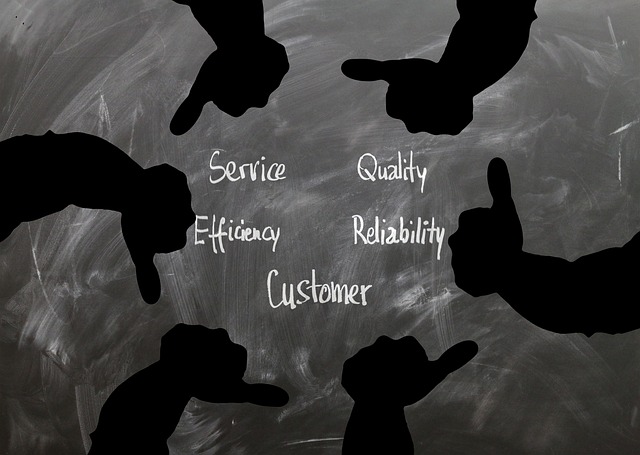
At the heart of your successful marketing launch strategy, thoughtful launch marketing—even old-school direct marketing—can help your offering gain solid early momentum and achieve your overall business goals.
Gathering this research takes time which many small business owners don't have. With CRM software tools and services like NationwideLeads, you don't have to wait for all the answers before launching. You can conduct research and run marketing with a feedback loop all in one place.
1. Define objectives
Begin with simple objectives. These objectives should direct each phase of your launch and maintain your team’s attention. For example, you might target a specific number of new users during the initial 30 days or meet a particular sales goal by the conclusion of the first quarter.
Select goals that tie directly to customer acquisition and brand awareness, such as visits, sign-ups, or qualified leads, which are good for the website. Then, build the campaigns, align them with KPIs so you can track progress and see what’s working.
Don’t set the campaign and forget it. Revisit your goals frequently and adapt according to actual market responses. If you too busy to keep up, mix in done for you services ithin the CRM platform cost-effectively with easy transition while still maintaining control. This flexibility keeps your strategy effective as you learn more from your audience’s response.
2. Identify audience
Know your product’s audience through market research. Really dig into both demographics and psychographics. Look at age, location, buying habits, and what drives your dream customer. This won't happen right away. Run starter campaigns and use your CRM to gather data from responses
Segment your audience into smaller behavioral and preference groups. This lets you message in a way that feels personal and relevant. Develop comprehensive customer personas to help you empathize with their experience and pain points.
Use CRM tools such as surveys or manage webinars online focus groups to hear early feedback and polish your angle. Also these information within the same system creates an effective feedback loop to optimize your growth
3. Craft messaging
Craft crisp, targeted messaging that focuses on your product’s unique value. Ensure your primary benefit is immediately apparent and stay clear of confusion-inducing jargon or alienating readers. Use email templates to help you start and improve your crafting over time with data and insights
Tell a story to bond and talk about how your product aided a customer or fixed a frequent issue. Make your launch message and your brand identity cohesive, from your website to your tweets to every touchpoint.
Include some testimonials or case studies for credibility if you’re new to the market.
4. Select channels
Consider where your audience hangs out. For a lot of small businesses, email, social media, and, SMS, phone, even ringless voicemail work great for direct engagement. Platform that enables you run all these quickly and easily in one place gives you an edge. Each method has strengths: email is widely available and trackable, social media builds community, and SEO increases long-term visibility.
Test channels in your pre-launch or early phases to see what works best. Focus on those that provide the most value for a budget, but do not discount the old-fashioned methods if your audience is into them.
5. Set timeline
Plan soft timeline with milestones for each phase: market research, content creation etc. These milestones should overlap with your pre-launch teasers, and launch day because as you benefit from feedback. For example, conduct basic market research to get started but market research does not stop with launch.
Keep an eye on progress and adjust your schedule if necessary. A structured plan allows you to focus your marketing efforts for maximum visibility and capitalizes on audience anticipation at just the right moment.
CRM ringless voicemail
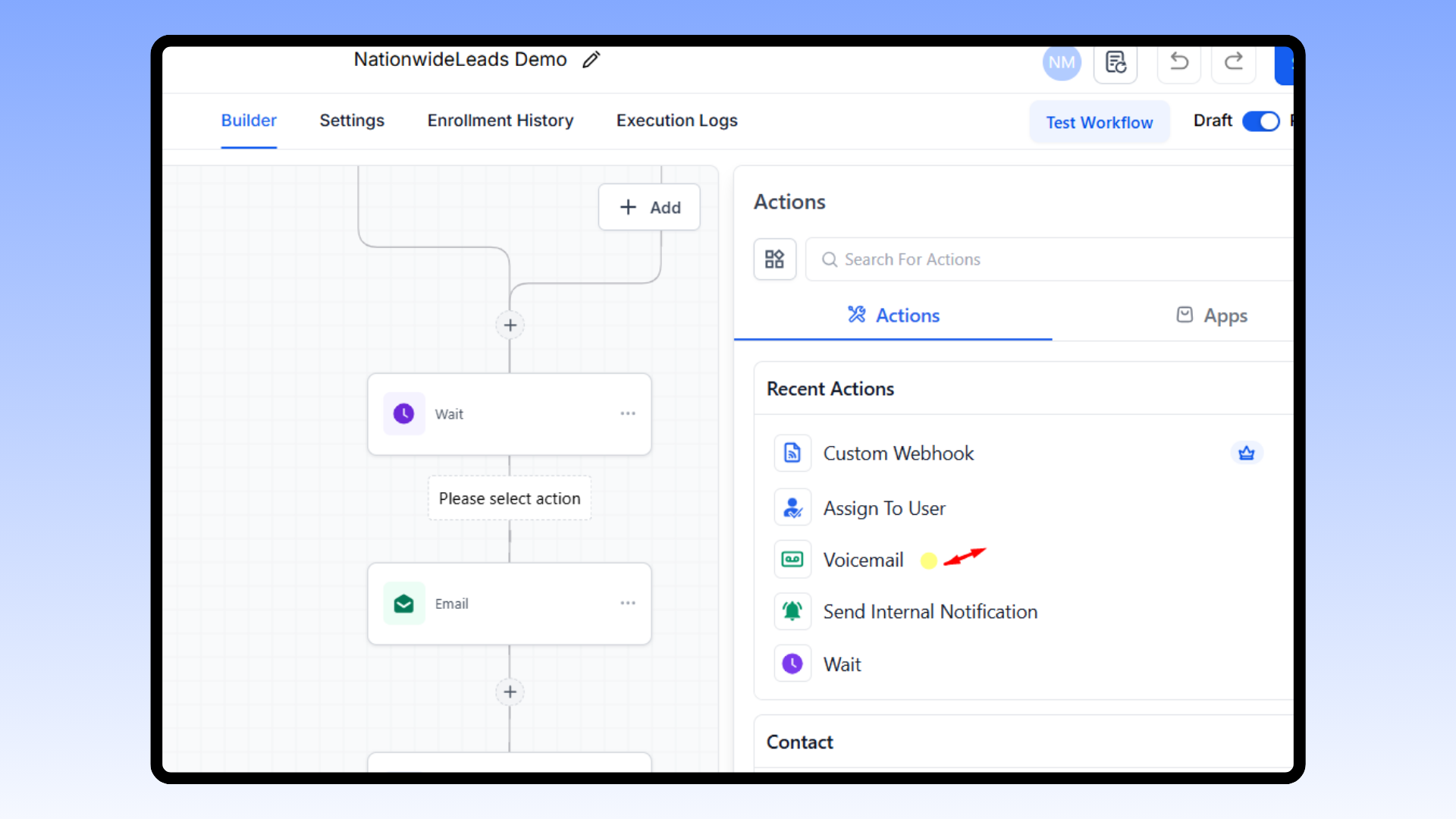
Ringless voicemail marketing allows companies to deliver pre-recorded voicemails straight to voicemail boxes without an actual phone call. Ringless voicemail messages land silently, so users receive the information when it’s convenient for them. The value is providing personalization using your own voice without being intrusive to warm leads faster and help with conversion
For example a loan officer sends out cold email marketing campaigns to generate new leads and those that click receive a timely ringless voicemail follow-up with personalized message
The tech is particularly handy for small businesses and solopreneurs who require cost-effective, scalable methods of connecting with additional individuals. It plays well with other digital channels, assisting in the creation of well-rounded campaigns that engage customers from multiple directions.
The benefits
Deliverability rates with listen-through rates frequently exceeding 90%.
Non-intrusive, silent delivery that avoids disrupting daily life.
Timely information and reminders delivered directly to voicemail inboxes.
Sending messages to thousands of contacts at once without lifting a finger.
Cost-effective, with no live operator or call fees.
Works with voicemail-to-text, maximizing the likelihood that messages are read.
An easy, well-timed voicemail lasting 20 to 30 seconds makes it simple to provide updates, reminders, or limited time offers. They do not like being interrupted, and they get to check the message at their pace.
For small businesses, this translates to fewer complaints and improved experiences. Because ringless voicemail drops can be targeted to hundreds or thousands at a time, staff are tied up less with laborious outreach and this accelerates campaign launches.
Ringless voicemail is more cost effective than calls because it needs less budget. There are no long-distance fees and business owners don’t have to employ call center personnel. This is a particular boon for startups and microbusinesses where every dollar matters.
The business niches that benefit the most from ringless voicemail marketing
Local service providers find ringless voicemail connects with their community. Appointment reminders or quick updates keep customers coming back. Nonprofits can easily share event info or thank donors, building better relationships.
Home services, from cleaning to repairs, use voicemail drops for promotions and reminders, packing calendars and driving revenue.
That helps keep messages from slipping through the cracks. When combined with email or SMS, this channel makes a campaign far more effective. Be sure to verify local telemarketing laws, such as the TCPA in the US, to sidestep potential fines.
The launch playbook beyond the checklist
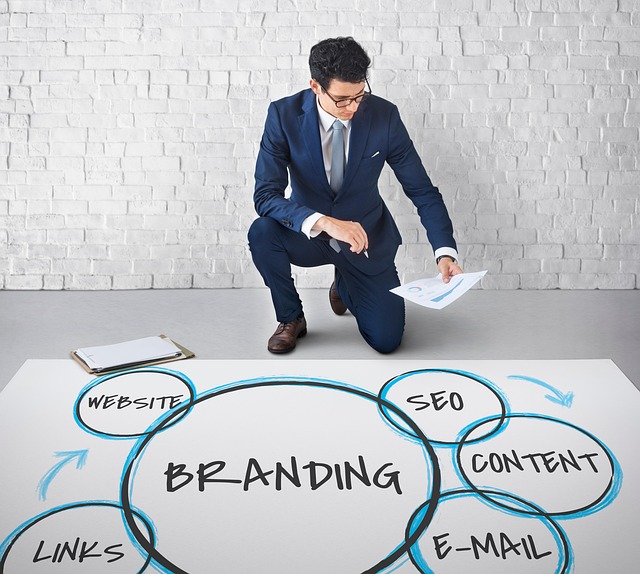
It takes more than checklist entries to build a robust product launch strategy. It’s a launch playbook beyond the checklist, a plan that leads your team through those first 90 days or 180 days with purpose and clarity. Every launch is different. What works for one team or product won’t fit another, so your playbook should be flexible and based in actual strategy, not checklists.
A good launch playbook stretches across a 180-day timeline split into three clear phases: 60, 120, and 180 days. These entire 180 days include research when you want to get in there and understand who your dream customer is, what challenge they have, and why your solution is unique. This understanding is crucial for crafting an effective product launch.
Teams should assemble intermittently an internal brief or slide deck that outlines the target customer profile, pain points, market trends, and even a SWOT analysis. For instance, if you’re launching a CRM for small business, you’d want to understand what they currently use, why they’re frustrated, and how your offer delivers them more value for less cost. This information provides each team member with a shared north star and aligns with the overall business goals.
The playbook shouldn’t be just a static document. It needs to map out a detailed calendar: which channels get used, what content goes out when, who owns what deliverable, and how progress gets tracked. Everyone gets on the same page with these specifics, ensuring that the marketing launch plan is executed seamlessly.
For example, if you run paid ads and email campaigns from your CRM, the calendar lays out launch dates, review cycles, and who is doing the writing and design. Sharing this schedule holds you all accountable, which is essential for successful product launches.
What you learn from past launches is key. Every launch is an opportunity to tweak and improve. Gather lessons learned: what went well, what didn’t, and why. Include regular retrospectives, weekly or at least monthly, where the team can candidly discuss what is effective and how to enhance the product launch strategy.
For instance, perhaps an earlier launch had robust sign-ups from webinars but poor traction on social media. Tweak the plan and resources to focus on where traction is demonstrated, ensuring that future marketing launches are more impactful.
Work should be ongoing. Open lines of communication keep teams on track and solve problems early. Try daily or weekly check-ins. For business owners without time and often wearing many hats, consider done for you services on the CRM platform to mix DIY and DFY cost effectively while still maintaining control.
When support, marketing, and product people come together frequently, problems get smoothed out quickly and all voices get a chance to be heard. Guide the playbook to victory. Don’t put it on and pop it off.
As data and feedback roll in from launches, such as conversion rates, user feedback, or campaign costs, update your playbook. This agile mindset allows teams to pivot quickly and make intelligent decisions. Over time, this learn-adjust-grow cycle results in smoother and more successful launches, aligning with your product launch goals.
Measuring what truly matters
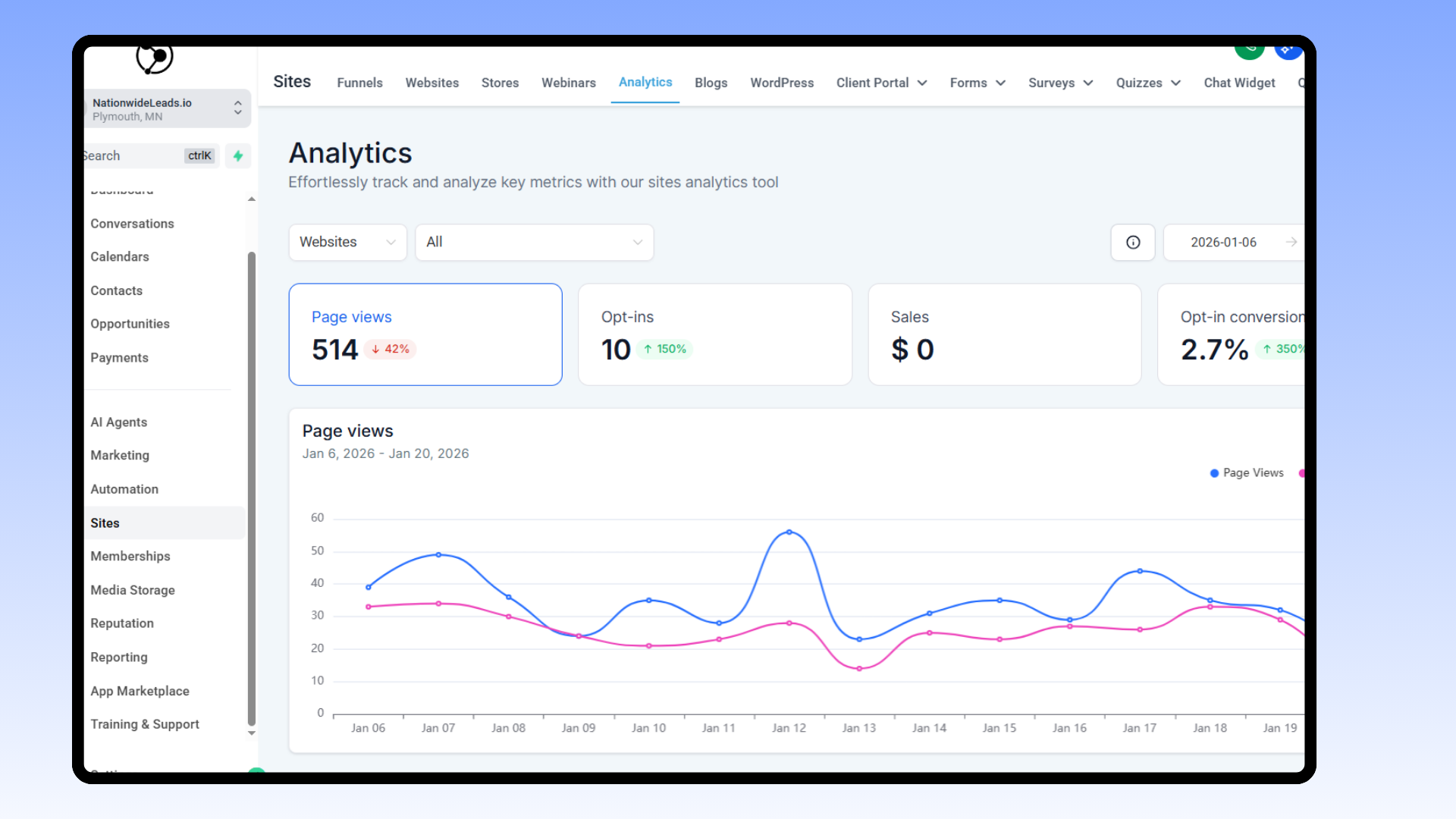
Selecting the right things to track in your marketing launch plan is about more than tracking clicks or likes. It’s about measuring what matters, understanding what goals really matter to your business, and ensuring every ounce of effort aligns with what you want to accomplish. Not to mention that this saves time, money, and brainpower, especially when resources are tight and every decision matters.
For small businesses, side gigs, or anyone running lean, it’s all about focusing on the right numbers to move the needle without drowning in data that doesn’t actually help you grow or make better decisions. A successful product launch strategy hinges on identifying those crucial metrics. Plus, having the right tool that facilitates all this in one place makes it plausible.
The best way to do this is with clear key performance indicators (KPIs) that align with your launch objectives. KPIs aren’t buzzwords — they’re actual figures that indicate how successful your product launch is. What matters to one business doesn’t necessarily matter to another.
For instance, if you’re releasing a new CRM tool, you may measure how many new users create an account in the first 30 days, which is acquisition. You may also measure how many of those actually utilize an important feature, which is activation, and how frequently they return, which is retention. Others may be more concerned with social media engagement or the rate at which leads convert into customers, as these are also vital for an effective product launch strategy.
Here’s where it becomes a bit subjective—different folks care about different numbers, and that’s fine. The trick is to select what works for your goals, not just what’s easy to tally. Aligning your metrics with your overall business goals is essential for success.
It’s savvy to pair hard numbers with feedback from actual people. Numbers can show you what’s going on, but not always why. Maybe you discover that you’re losing signups, but it’s only by talking to users or scanning feedback that you learn your sign-up page is too confusing.
This mix of quantitative and qualitative insights allows you to perceive the big picture, even when those things are difficult to quantify, such as customer trust or lifetime loyalty. Understanding the customer journey is crucial here.
Common launch pitfalls to avoid
A smart marketing launch plan requires more than a terrific product or concept. Just like bigger companies, many small businesses and solo founders, even with lean teams, stumble into the same pitfalls. Ignoring them can waste time and money.
One big misstep is forgoing market research or not understanding who your actual purchasers are. When you aren’t honest about who your customer really is, your message misfires and they switch off. Are you assisting small salons, food trucks, or freelance consultants? This focus informs every decision, from features to ads. This information may not be available at launch, but with the right platform facilitating a feedback loop you can effectively optimize and get to the specific focus
Most product launches don’t bother testing if their idea is distinctive. Again, this doesn't have to crisp on day one but simple objectives at the start and testing plan to optimize is valuable. If you’re not first or best in some way, the press and buyers may not pick up. It’s more difficult to get publicity if your solution sounds like last year’s news.
Not having clear goals and a solid launch plan is another major issue. Each launch requires a timeline, defined roles, and a contingency plan. Again not everything needs to be mapped out on day one but a plan to mature is important. Too often, founders are hasty to declare before sales teams or support teams have any idea what to do, which causes overlooked questions, bewildered buyers, or lost sales.
Enablement for all teams—or trying to do everything on your own and keep up. Training or keep up with research and marketing can’t be an afterthought. Setting realistic deadlines and get help when needed is key is. Too many things on your plate while trying to meet 90 days goals. If you are on a tight budget, consider DIY and DFY. Leverage platforms like NationwideLeads that facilitate that cost-effectively while still maintaining control
Feedback and team discussions do matter. Issues arise at the last moment, such as bugs, misprints, or market changes. If teams don’t talk, little problems blow up. Be clear about who owns what part of the launch and check in every day. This is especially important for remote or hybrid teams who can miss those side chats or updates.
Adapting quickly based on early results is a must. Even with planning, sometimes the market response is off. Change pricing, messaging, or even product features if early buyers don’t bite. Keep this in mind: new products fail, 95% of them, and a quarter of consumer goods don’t make it a year.
Being flexible is what keeps your launch from joining those stats.
Conclusion
Nailing a marketing launch and growing is more than just box-ticking. A simple plan to start with measurable feedback back loop keeps you nimble. Use your traditional email, SMS, phone and social media while adding edge technology like ringless voicemail to warm leads faster and drive more conversion. Keeping up is not always easy especially for busy owners. Being flexible with done for you help makes your objective more realistic. Use the right platform to help facilitate all these in one place productively. Smart launch lays the foundation for sustainable growth. Try our CRM for free or get in touch for a free consultation to set and achieve your goals realistically
Frequently Asked Questions
What is a marketing launch strategy?
As you might have guessed, a marketing launch strategy is the way you launch something new. It encompasses messaging, timing, audience, and channels.
Why is a launch strategy important?
A successful product launch strategy ensures your product reaches the right target market, optimizing early excitement while preparing for scaling.
How does ringless voicemail support a launch?
Ringless voicemail is a key component of a successful product launch strategy, allowing businesses to warm cold leads faster and improve conversions by sending targeted personalized voice messages straight to customers' voicemail boxes effectively.
What are common elements in a launch playbook?
A successful product launch strategy typically includes simple goal setting to start, target audience research, messaging strategy, channel selection, scheduling, and performance indicators that is build over time
How should you measure a launch’s success?
We measure success by monitoring metrics such as customer engagement, sales growth, and brand awareness, aligning these with our overall business goals for a successful product launch strategy.
What are typical mistakes to avoid during a launch?
Typical errors in product launches include fuzzy messages, bad timing, and overlooking or forgetting that just the start and real scale comes from feedback loop. Also, trying to do everything on your own with difficult goals. Avoiding these pitfalls increases the likelihood of achieving your launch goals.
Can a marketing launch strategy work for any industry?
Yes, a good marketing launch strategy, tailored to your audience and objectives, is essential for a successful product launch.