The 5 best ways for restaurants and cafes' automated email drip campaigns to succeed
An automated email drip campaign dispatches a collection of emails to contacts along a predetermined schedule or based on triggers to assist in guiding your contacts through a process. Small businesses employ drip campaigns to retain customers for repeat business, generate new customers by distributing advice, or offering discounts without individually sending each email.
With the proper configuration, these campaigns save you time and help increase performance. CRM software with multi-channel tools like SMS, DMs and ringless voicemails, help everything stay centralized and achieve your overall marketing objectives faster by warm and close leads faster
Next, find out the tops ways how drip campaigns fit your restaurant small business marketing, when to get done for you (DFY) services in your CRM platform to keep up with expertise and how to get one started today.
Key Takeaways
Automated email drip campaigns nurture leads with timely, relevant messages, helping restaurants build stronger relationships and increase customer loyalty.
By segmenting your list automatically and personalizing content, you achieve higher engagement and conversion rates by tailoring offers to each recipient's preferences and actions.
By mapping triggers like clicks or opens and timing your emails optimally, you ensure they reach customers at the right moments in their journey.
CRM software with multi-channel tools like SMS, DMs, ringless voicemails, review capture and seasonal landing pages, help everything stay centralized and effortless. Customer data is organized and communication is efficient, leading to smarter, more focused, data-driven marketing.
For busy owners, done for you (DFY) services in your CRM platform allows you maintain control while still providing consistency to keep up and using expertise in compliance and the psychology behind the emails to drive engagement
This measured approach for smart automation, utilizing key metrics for campaign performance and consistent A/B testing to refine strategies or leveraging platform DFY service to keep up and provide expertise, will help you maximize results over time.
What is an automated email drip campaign?
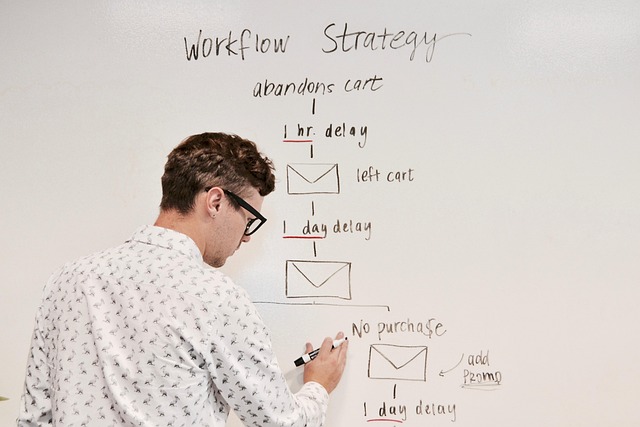
An automated email drip campaign consists of a series of emails that you write in advance and deliver to your contacts over a period of time based on some trigger, such as registering on your site to get discounts, answering surveys or abandoning an item in their virtual shopping cart. The “drip” part means sending these emails one at a time, spaced out to keep your business top-of-mind without bombarding your readers.
Each part of the drip nudges people towards a destination such as ordering, providing a testimonial, or booking a reservation. This is typical with small businesses, solopreneurs, or anyone who wants to contact a collection of leads without personally typing up each message.
These campaigns assist you in building trust and maintaining lead engagement. A drip campaign takes a prospect who expressed interest and keeps them warm with consistent, useful information. For instance, if a visitor signs up for discounts, you could send a welcome email, then some available discounts
If someone abandoned a cart, the campaign could highlight their items, include a little discount, and then provide some reviews. Since you set up the timing and content in advance, the emails come across as personal and run on autopilot. This allows you to keep every lead educated and engaged, even if you don’t have a large staff.
Automation is the trick here. You don’t send each email yourself; you use a system that sends the right message at the right time. You establish triggers such as when an individual subscribes, buys, or becomes inactive, and it does the rest. This saves time, reduces mistakes, and ensures no one falls through the cracks.
Restaurants win a lot because it means you can take each lead on a personalized journey without a massive marketing budget or an army of employees. Drip campaigns come in many varieties with different purposes and formats.
Here’s a table showing a few common types:
Planning a drip campaign signifies working out who you want to contact, what content makes sense for them, and what behaviors trigger each email. You want your messages to feel timely and useful, so frequent checks and updates keep them fresh and on target.
A smart drip campaign scales with your business. It makes your job easier and improves your outreach.
Why restaurants need email marketing

Restaurants can forge strong guest bonds with personalized notes via email marketing. Well-crafted messages do more than just clog inboxes; they make people feel at home. A quick welcome for first-time guests signals that the restaurant is thoughtful. If somebody comes in for a birthday meal, a birthday email with a little gift or discount breeds trust. These types of emails help guests feel seen and valued, which means they’re more likely to return or share.
Restaurants can leverage email templates to showcase new dishes, promote time-sensitive offers, or get patrons in seats for events. Instead of flyers or wide ads, messages go directly to people who have expressed interest. A new dish launch can be highlighted with one photo and one short story in an email to have diners salivating to try it. For a sluggish weekday, a happy hour deal to the right audience can generate additional traffic.
Restaurants can nudge customers towards upcoming holidays or events, like a themed dinner or cooking class. With email automation, it’s easy to customize the message for each group so regulars receive updates to suit their tastes while new visitors get a friendly intro to what’s available.
Targeted email marketing helps restaurants win repeat visits and build loyalty. Leveraging guest information, such as order habits or special occasions, restaurants can deliver the perfect deal at the perfect moment. If someone hasn’t ordered recently, a subtle push with a coupon can ignite their return. Loyalty programs work even better when tied to email, reminding guests of points, perks, or exclusive events.
Over time, this consistent personal connection keeps a restaurant front-of-mind and can increase how much each customer is worth. Email marketing is far gentler on the budget than old-school ads. You don’t have to print flyers, buy ad space, or wonder if the message even got there.
Basically, email tools like NationwideLeads let restaurants see who opened, clicked, or booked a table straight from the campaign. That allows owners to know what works, adjust what doesn’t, and generate real results. Industry data says that some restaurants generate 10% to 20% of their revenue from email. With costs so low and the reach so direct, email gives small restaurants a fighting chance against the bigger chains.
These platforms also provide the done for you services for busy restaurants owners who may not have the time to keep up with marketing and consistently optimize with data insights. Done for you services allow you maintain control while injecting expertise and consistency in your campaign. many restaurants owners use this balanced DIY and DFY approach that helps them maximize results over time.
How to create your automated email drip campaign
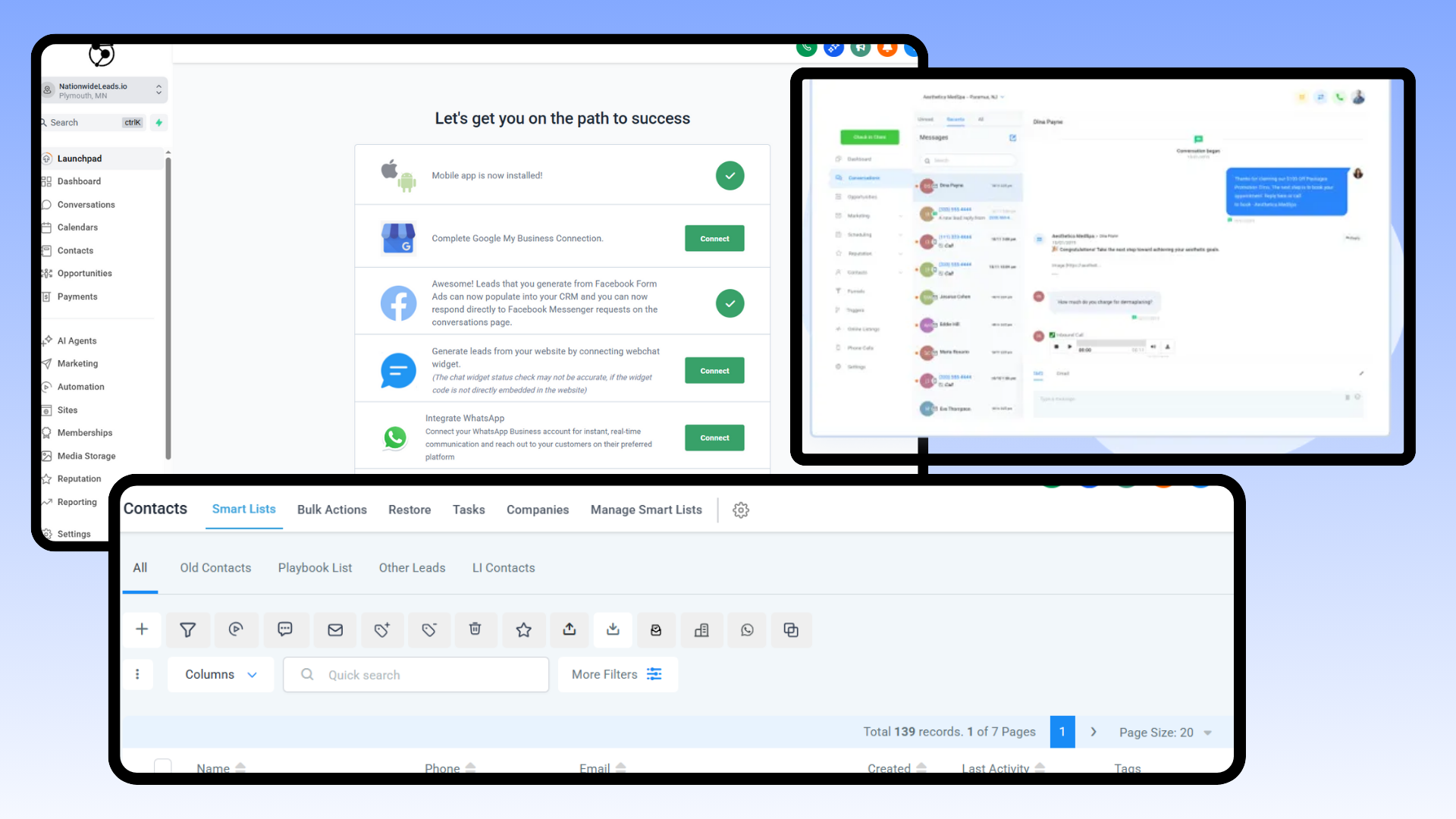
Constructing your automated email drip campaign involves several email steps that shape the customer experience and align with your business objectives. Here’s a step-by-step guide for designing and launching your email marketing strategy.
1. Define goals
Begin by establishing specific objectives. You may want to increase reservations, loyalty program signups, or abandoned cart recovery. Your objectives should connect to your general business strategy so your emails sound like your brand.
Establish trackable numbers. For example, aim to increase bookings by 20% in 3 months or grow loyalty sign-ups by 10%. This aids progress tracking. Customer engagement and retention should always be a priority. Repeat business keeps your pipeline full!
2. Segment audience
Setup automation to segment your list by customer behavior, preferences, or location. That way, you’re speaking to folks in a manner that’s relevant to them. Someone new to your list requires different info than someone who books tables weekly.
Segmenting allows you to send offers that fit each group, which increases your conversions. For instance, a welcome message to new subscribers or an exclusive menu preview for regulars. Segment updates do not need to be frequent.
3. Map triggers
List the activities that should trigger an email—register, book, abandon with a full cart, etc. Sketch a basic flowchart to visualize the steps and triggers. Use customer data to select optimal trigger points such as a cart reminder one hour after abandonment.
Timely responses will increase engagement. If someone registers for your newsletter, a welcome email should immediately hit their inbox. Plus, with CRM software with multi-channel tools use email clicks to trigger SMS, DMs, ringless voicemails and seasonal landing pages to warm and convert faster
4. Craft content
Write honest, personalized emails that reflect your brand and talk to your readership. Add attractive images and a call-to-action such as “Book Now” or “See Today’s Special.
Personalization matters: 71% of people expect it and 65% say they buy more when they get targeted offers. Keep your note brief and emphasize what’s in it for them. Include urgency like “Three seats left” or “Offer ends Friday” to encourage action.
5. Design flow
Put your messages in the right sequence so they flow and lead the customer. Automate your flow with something like NationwideLeads, GoHighLevel, Mailchimp, or ActiveCampaign. You achieve more email conversions with CRM software multi-channel tools
Vary the email types, such as welcome, reminders, and offers. Test your analytics and feedback to find where people drop off or engage, then adjust the flow accordingly.
6. Set timing
Choose the timing for each of your emails. Consider customer trends, such as busiest booking times or typical shopping days. Use A/B testing to test different send times.
A Monday morning may be best for your audience or a Friday afternoon. Make your timing consistent so people know when to expect and anticipate your emails.
Achieve more email conversion with CRM software multi-channel tools

Automated email drip campaigns go a lot further when supported by CRM software multi-channel tools. These tools like NationwideLeads enable businesses to take their email beyond simple bulk email. They aggregate data, monitor what customers are doing, and enable your communications to be more personal and relevant.
The result is higher conversion rates and a better customer experience.
Advantages of CRM software and multi-channel tools in email marketing:
Centralize customer data to avoid data silos
Enable multi-channel outreach (email, chat, SMS, social media)
Track and segment customer behaviors and preferences
Customize email with dynamic fields and AI powered rules
Automate follow-ups and drip sequences for ongoing engagement
Save time with pre-built templates and workflow triggers
Measure campaign performance with real-time analytics
Integrate marketing data for a 360-degree customer view
Centralize data
Link all touchpoints (email, chat, phone, web forms) to one CRM to streamline your email marketing strategy. Use tags, lists, and custom fields for effective segmentation. Sync customer records in real time across all departments to enhance your workflow. Set up user permissions to control data access and ensure privacy.
Centralized data enables you to segment your contacts based on behavior, location, or buying stage. This segmentation makes it easy to deliver the right message at the right time. Utilizing email templates based on purchase history allows you to hit your target with offers that stand out.
When every message is tracked in one centralized location, it is simpler to glimpse the entire customer journey. With one view of your data, you can identify trends more quickly. You observe what is effective, what is not, and where to concentrate next.
This results in smarter decisions and reduced effort. In the process, you get more from every campaign, maximizing your email conversion rates and enhancing your overall marketing strategies.
Personalize offers
Leverage CRM insights to personalize offers for every customer. Draw in names, preferences, and previous purchases for individualized messages. Give a loyal customer a deal on their preferred service.
Use dynamic content to swap images or product lists based on interests. A perfectly timed, personalized offer can make all the difference. If they browsed a product but didn’t purchase, follow up with a small discount.
AI tools can help by looking at behaviors and recommending optimal send times or subject lines. Special offers create loyalty. Let your best clients know you appreciate them. It could be something as simple as a birthday coupon or early access to a new service.
Automate follow-ups
Configure drip campaigns to reach out after key actions such as sign-up, purchase, or feedback. Each follow-up you do keeps your business top of mind. Request reviews, provide reminders about upcoming events, or nudge them to your loyalty program.
Automation saves you time and eliminates guesswork. Use rules to trigger emails. For instance, if a customer opens but doesn’t click, send a nudge a few days later. Keep the conversation going without the manual effort and remain relevant.
Track opens, clicks, and conversions. Utilize these figures to adjust your strategy. The right tweaks can translate into more responses and more revenue, all with less effort.
Measuring your campaign's success
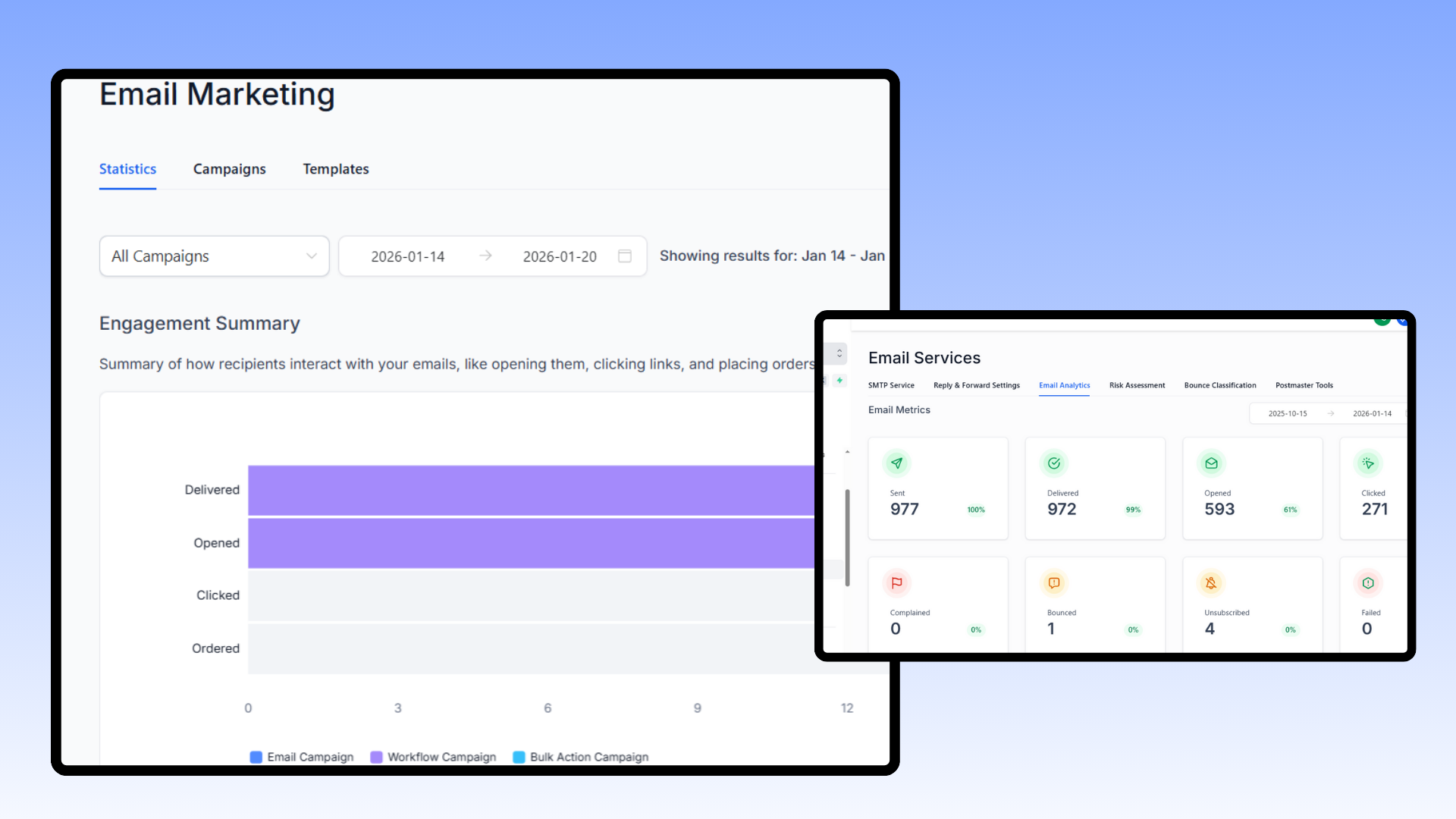
Clear objectives are the foundation of a successful automated email drip campaign. They establish the standards for what’s good performance, so you can understand whether you’re progressing in the direction you want or need to pivot. To gauge your advancement, it’s key to measure the appropriate metrics, employ analytics tools, and pivot your approach according to what the data reveals.
If you are a busy small business owner keeping up with all these like trying to run a business can get out of hand. Platforms like NationwideLeads offer affordable done for you services for your restaurant or café where you can transition from DIY and DFY and back at anytime in your growth journey while still maintaining control.
The next sections deconstruct the key components of measuring success in automated email drip campaigns.
Key metrics
Reviewing unsubscribe rates lets you detect problems such as off-message content or excessive sending. If too many people drop off your list after a particular email, see whether the message was too frequent or off target for value.
Engagement, including opens, clicks, and replies, indicates whether your audience resonates with your message. For example, welcome emails experience 86% higher opens and 196% higher clicks than typical blasts, indicating that targeted and timely outreach performs best.
Let your data lead decisions. If a six-email series over 30 days converts consistently, continue that. If engagement drops, adjust your timing or content.
A/B testing
A/B testing is how you know what actually works for your audience. You send two variations of an email, maybe one with a different subject and the other with a unique offer, to a small sample, then see which gets opened or clicked more.
This approach removes the guesswork by allowing genuine data to inform your modifications. Test subject lines, body copy, or images or even send times. For instance, if a Friday morning send outperforms a Monday afternoon by 20% in clicks, you have actionable intelligence for future campaigns.
Automated tools simplify this by monitoring which version drives more conversions or fewer unsubscribes. Capturing these results establishes a foundation of expertise for your next campaign, so you’re not beginning from nothing every time. Over time, these little experiments can accumulate into a substantial boost, at times doubling your conversion rate.
Compliance checks
Each campaign has to comply with GDPR, CAN-SPAM and more in order to protect your contacts and business. Include a transparent unsubscribe link in every message. This establishes trust and keeps you compliant.
Go over your compliance steps regularly, as privacy laws may shift rapidly. If your business expands outside your home country, find out the rules for each market you are serving.
Ensure your team understands why compliance is important and what is expected. Frequent training keeps errors at bay and cultivates a conscientious culture.
The psychology of a perfect drip email
A perfect drip email is founded on a nuanced understanding of human psychology, how people think, what grabs their attention, and what motivates them to take action. It’s all about timing. When a new contact signs up, your initial email needs to go out quickly to establish the proper tone using effective email templates.
Welcome emails have been shown to receive 86% more opens and 196% more clicks than regular marketing emails. This high engagement window is an opportunity to make a great first impression and establish credibility, especially when utilizing an email marketing platform designed for optimal engagement.
Here’s the thing about perfecting a drip email: psychology is everything. Humans react to communications that appeal to their desires, ambitions, and anxieties. One familiar trigger is the urge for affiliation. If your emails demonstrate you understand your reader’s pain or dreams, you establish a connection that can lead to higher email conversion rates.
Use direct, plain language to discuss genuine issues and how your service offers a solution. Another trigger is authority. Share statistics, such as how firms that employ drip campaigns generate up to 80 percent more sales while spending 33 percent less. This makes your offer sound clever and tested, which creates trust.
Storytelling is huge in making emotional connections. Rather than simply outlining features, share a brief narrative about an authentic customer or a relevant issue. Demonstrate how your service guided someone to solve a problem or achieve an objective.
For instance, rather than saying that your CRM increases sales, explain how a small company used your tool to eliminate overhead, generate extra leads and grow without hiring additional people. Stories allow people to imagine themselves as the protagonist, which makes the email stick in their minds.
Urgency and scarcity tactics can push readers to act now instead of later. You’re in. Only 2 days left. Limited spots left. Be sincere and transparent; artificial scarcity breaks trust. Scarcity works because people don’t want to miss out on your special offer.
A small offer or countdown timer in the email can increase clicks and sign-ups, pushing open rates over 20% and click-through rates over 15%, making it a critical workflow step in your email marketing strategy.
Personalization and segmentation make your drip less generic. Utilize the recipient’s name, reference their last engagement, or customize the offer according to their industry or activity. Break up your audience into groups by demographics or previous action, and send relevant content.
Building the psychology of a perfect drip email campaign requires practice to grow the skill over time. If you are a small business owner with limited time, done for you (DFY) services on your CRM platform can be more cost-effective and offer the skill quicker. Many small business owners mix DIY and DFY to their objectives their realistic timelines. Platforms like NationwideLeads facilitate that
By doing so, you’re drive consistency in your campaign while driving each contact through your sales funnel at their own pace. Automation along with consistent optimization enables these targeted messages to be sent at scale, and 78% of leading marketers report automation with right expertise is critical in driving revenue growth.
Conclusion
There’s nothing like an automated email drip campaign to keep things rolling for any restaurant. Email hits on time, hot deals get in front of hungry people and you save hours every month. CRM tools make it simple to segment lists, follow clicks, customize messages, and integrate with SMS or chat. You get clean metrics—open rates, clicks, sales—to understand what is effective. Plus, modern platforms like NationwideLeads mix in DFY services, so if you don't have time, you can still affordably stay consistent while maintaining control. No matter how tiny your shop, you can extract big results with a modest scheme and diligent drip. One local pizzeria doubled lunch orders after including a welcome email and birthday coupon. Ready to launch or repair your campaign? Try for free or get a personalized consultation.
Frequently Asked Questions
What is an automated email drip campaign?
An automated email drip campaign is a series of pre-written emails sent to customers at timed or on demand triggered intervals. It allows businesses to engage users, nurture leads, and drive conversions all without manual effort.
How can restaurants benefit from email drip campaigns?
Restaurants can use email automation to create effective marketing strategies, automating email drip campaigns that share promotions, new menu items, and special events, boosting customer engagement and loyalty.
What are the key steps to create an automated email drip campaign?
Begin with your objective and desired audience. Then, script the email sequence using effective marketing strategies, schedule it, and utilize an email marketing platform to automate delivery. Try it and tweak according to results.
How does CRM software improve drip campaigns?
CRM software manages your customer data and segments your audience. It allows for personal messages and multi-channel communication, which increases engagement and conversions.
How do I measure the success of my email drip campaign?
Follow important metrics such as open rates, click-through rates, and email conversion rates. They reflect the performance of your campaign and highlight areas to optimize.
What psychological factors make a drip email effective?
Well-crafted automated email campaigns, utilizing effective marketing strategies, combine personalization with helpful content and have a clear objective to establish trust over time, motivating the reader to move forward. For busy owners, mix DIY and DFY cost-effectively
Can automated drip campaigns work for businesses outside the restaurant industry?
Indeed, automated drip campaigns serve multiple industries, making them an effective marketing strategy for onboarding, lead nurturing, and customer retention in a variety of workflows.