Mastering a full-funnel digital marketing strategy with the 3–3–3 rule
Full funnel digital marketing strategy means creating an experience that walks people from first hearing about your brand all the way to loyal purchase. The whole process feels cohesive yet simplified with automation and AI all in one spot cost-effectively
Smart plans on the right platform mix with in ads, SMS, phone, social posts, email, ringless voicemail and useful landing pages to engage people at every stage. Clear steps and smooth handoffs save small businesses cash and better leads.
To demonstrate how this flows together, this post deconstructs each stage and gives pointers for small business expansion even for small business owners on a shoe-string budget.
Key Takeaways
A full funnel digital marketing strategy covers every stage of the customer journey, from awareness to loyalty, ensuring no potential customer is overlooked.
By applying 3-3-3 rule, it is easier for small business owners to keep marketing balanced and ensure their full funnel approach is cohesive across all touchpoints without burning out quickly.
Use all-in-one CRM platforms to facilitate multi-channel campaigns with email, SMS, phone, social media, ringless voicemail and more or incorporate done for you service and strategy when you need it cost-effectively
Mixing automated, AI with personalized messaging throughout your full funnel digital marketing strategy makes for great customer relationships and sustainable business growth.
When you consistently deliver clear messages customized to the right segments and the right channels, while also incorporating data analytics it reinforces your brand and gets you noticed.
What is a full funnel digital marketing strategy
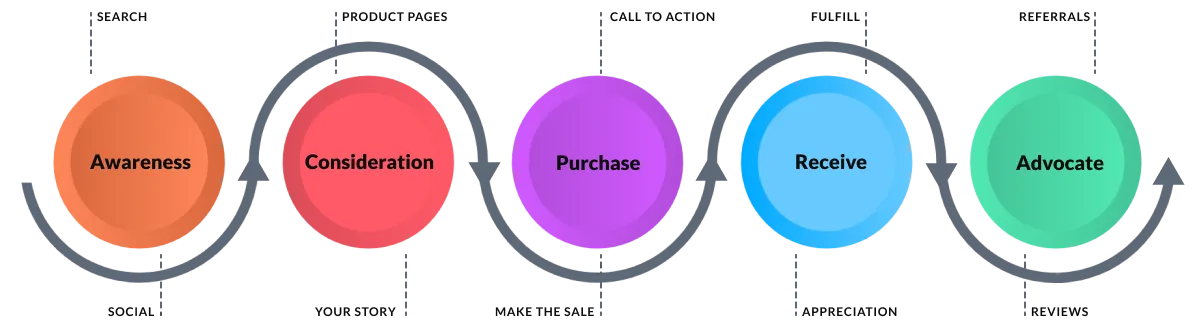
A full funnel digital marketing strategy is designing, constructing, and optimizing the entire customer journey — from initial brand awareness to a devoted buyer. It tracks the marketing funnel stages — awareness, consideration, conversion, loyalty — aligning tactics to customer intent at each stage.
The objective is to match your marketing to how people really make decisions, using metrics to inform decisions and link business objectives to customer desires.
1. The awareness stage
This is top of the funnel, where folks are first introduced to your brand. To grab their attention, create content that is concise, valuable, and shareable—such as brief video tutorials or infographics that respond to frequent queries in your field.
Distribute this on major social platforms like Facebook, Instagram, or LinkedIn to get in front of broader audiences. SEO counts big time here, too. Make sure you have the right keywords on your site and blog, that your pages load fast, and your stuff is optimized for mobile, so people from other places who are searching for your type of business can stumble across you.
Track likes, shares, and visits to see what works. If you noticed a spike on one subject, reorient additional attention there. Track your traffic sources to find out which channels are most important for your brand.
2. The consideration stage
Not everyone who encounters your brand is prepared to purchase. Send a ringless voicemail, make a phone call or setup a meeting to talk about how you solve problems that are important to them. Write blog posts or guides that explore pain points, or offer webinars that teach something useful.
Email tips, how-tos, or industry updates. Show actual examples such as testimonials, reviews, or case studies so leads know you are real and trustworthy. See which emails are opened, which guides are downloaded, and which testimonials are read. Adapt to what performs best.
When you notice they are spending additional time on things, double down.
3. The conversion stage
Here, just make it easy and quick to purchase. Review your sales pages. Are the steps obvious? Is the form short? Does it load fast? Configure retargeting ads to jog the memory of those who stopped by your site and didn’t make a purchase.
Include short, direct CTAs such as “Get Started” or “Buy Now.” Track your conversion rate. If a few pages perform better, examine what is different and apply those changes elsewhere. If they fall off at checkout, test smaller fixes like button color or headline.
4. The loyalty stage
Post-sale, stay in touch with buyers personally. Send ringless voicemail, SMS or email thank-yous, product tips, or early-bird discounts for their next order. Establish rewards programs to give a little back for repeat business.
Request feedback via brief surveys or direct messaging to discover what you can enhance. Through casual, personable emails, communicate updates, new offerings, or useful content, keeping customers engaged and informed.
Implementing the 3-3-3 rule
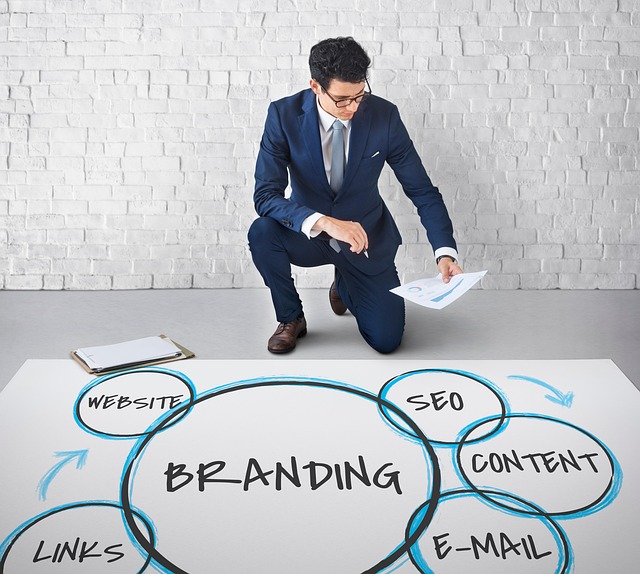
The 3-3-3 rule is a simple technique to help construct transparent, purposeful digital marketing. It challenges you to identify three key messages, three primary marketing channels, and amplify those messages at three significant touchpoints. This system is effective because it makes you succinct and regular, and it makes your brand pop in a cluttered online space.
By limiting yourself to three key points, you remain memorable, minimize complexity, and keep your marketing manageable. It assists you in snatching attention quickly. Typically, you get less than three seconds to impress.
Define your messages
Choose three clear, powerful messages that demonstrate what makes your business unique. These could be your prices, your service, or a unique offering. Match each message with something your audience cares about, such as saving time or getting a quick solution.
Try them out on your blog, your Facebook and Twitter pages, your email, and more. See which ones get the most clicks or replies and then focus on those. Keep your messages consistent. Use the same words, colors, and style to maintain coherence across all of your platforms.
Define your audiences
Segment your audience by age, purchase behavior, or needs. Concentrate on the three groups most likely to purchase from you or act. Utilize surveys, feedback, or CRM analytics to understand what each segment values and the challenges they confront.
Modify your audience segments when you see what works in your campaigns and what does not. These tweaks to the 3-3-3 rule help you spend less and get better results, especially if you are working with a shoestring budget or limited time.
Define your channels
Select 3 channels that align with how your audience prefers to receive information. Some people dig email, while others are on social media, blogs, SMS or even ringless voicemail. Be sure to use multiple channels to reach people where they are, but don’t overextend. All in one CRM platforms like NationwideLeads to help achieve this objective cost-effectively
See how each channel performs. If one isn’t working, turn your attention to the channel that receives more clicks or signups. More importantly create multi-channel campaigns. Maybe start with email then follow-up with ringless voicemail for more personalization and faster warming.
Mix online and offline channels if you can, such as combining a digital banner with an in-store flyer to remain top of mind at all points. They key is picking 3 and focus your strategy around that
Why your business needs this strategy

A full funnel digital marketing strategy aligns everything, from initial contact to sale and beyond. It constructs a straightforward journey for your leads, regardless of their entry point. This strategy provides you with a plan to nurture every visitor along the way.
It maintains your brand message consistent across all channels, which counts when you want to earn their trust.
Attracts more leads into your system at the appropriate stage.
Warms up cold leads with valuable information and assistance.
Builds loyalty and keeps happy buyers coming back.
Makes your ad budget stretch further at each step.
Provides you actionable information to optimize campaigns.
Assists you identify what works and what ought to change.
Lets you grow without losing your personal touch.
Gives you an edge over brands mired in legacy methodologies.
A huge bonus is how this strategy accelerates customer acquisition and retention. More importantly, by meeting people where they are, you can move them from curious to actual customer.
For instance, if someone discovers you via a blog post, a timely email or ad can push them to visit your product page, and then a follow-up can convince them to give a free trial a go. When they do buy, easy touches such as a thank you note or fast support make them happy and more willing to return.
Small businesses that adopt this mentality tend to have many more repeat sales, and referrals are much easier to obtain. Using all in one CRM software like NationwideLeads help you adopt this approach easily. Plus ROIs and revenue growth track better when you implement this approach.
Rather than burning cash on scattershot ads or one-off emails, your spend hits harder at each stage. If you run an ad to build awareness, then retarget to get interested clicks, and then follow up with an email for the people who didn’t buy right away, each tier feeds into the previous.
This means your spending is working clever, not busy. Over time, this leads to better numbers: lower cost per lead, higher sales, and more value from each customer.
Flexibility is built in. Markets continue to shift and new channels emerge with remarkable frequency. With a full funnel plan, you can change gears quickly.
If your audience migrates from Facebook to Instagram or the email open rates decline, you pivot without missing a beat. The system enables you to test, learn, and update quickly, so you remain in front.
Measuring what truly matters
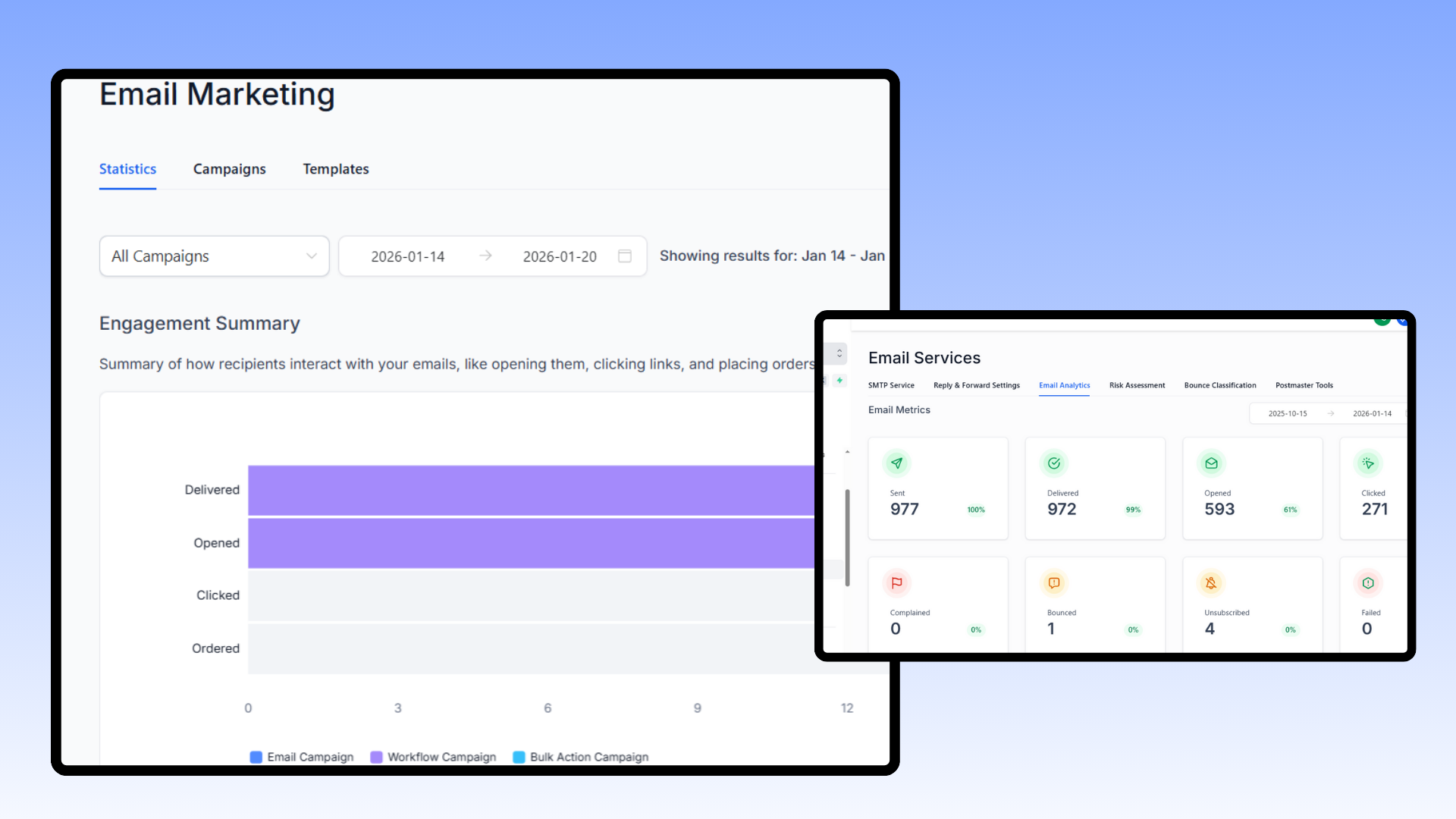
Part of what it means to build a strong full funnel digital marketing strategy is knowing how to measure what matters at each stage. You need KPIs at every step of the funnel to help you visualize what’s effective and what’s not. It’s not about tracking numbers; it’s about tracking the right numbers.
Concentration has to remain on those metrics that relate to your business objectives, such as growth or profit, not vanity metrics. Combine external analytics —Google Analytics, with your CRM analytics all in one place — email campaigns, ads, websites, and social media. Measure what matters.
Consistency in reviewing and adjusting what you measure ensures that your strategy continues to align with the needs of your business, particularly as market dynamics or customer preferences evolve.
Top funnel (TOFU) metrics
These include social media reach and impressions, which indicate how many individuals are viewing your brand on platforms like Facebook, Instagram, or LinkedIn. Wide reach means new eyes on your business.
Click-through rate, or CTR, shows how many people clicked your ad after seeing it and helps you determine if your creative or messaging is grabbing attention. If CTR is low, it’s time to try new headlines or images.
Lead generation indicates whether your campaigns are in fact generating prospects. For instance, if a landing page receives a thousand visits but only five complete the contact form, there’s an issue. Perhaps the offer isn’t clear or the form is too cumbersome. Measure these shifts to find what matters.
Middle funnel (MOFU) metrics
Email open and response rates are easy and effective. If people don’t open your emails, your subject lines or timing may be off. If they open and then don’t respond or click, then the message or offer might miss the mark.
Content engagement, such as average time on page, downloads, and video views, indicates whether people are interested in your middle-funnel assets. A blog post that gets shared or a webinar with lots of questions indicates strong engagement.
You want to watch how well leads progress to the next step. Your lead-to-customer conversion rate measures how well you nurture interest. If conversion rates are slow, check your emails, calls, and demo offers.
Finally, customer feedback, such as surveys or NPS, provides hints on what to change. Perhaps they desire more straightforward directions or more helpful FAQs.
Bottom funnel (BOFU) metrics
Cart abandonment shows you where shoppers quit. If seventy percent of carts are abandoned, examine your checkout. Perhaps it’s too lengthy or too expensive to ship.
Tracking customer lifetime value lets you know which marketing sources acquire customers that actually hang around and make repeat purchases. Post-purchase engagement keeps your brand top of mind.
If buyers leave reviews, join referral programs, or return for more, your bottom funnel tactics are working. It’s easier to retain happy customers than to acquire new ones, so this metric matters most for sustainable growth.
The human element in automation

Full funnel digital marketing leverages automation to accelerate task completion, reduce expenses, and scale outreach effectively through various marketing channels. Real results punch through when you fuse these instruments with a personal flair, making your funnel marketing strategy more impactful. Automated emails, chatbots, and triggered workflows nudge leads down the funnel at speed. Yet, if the message sounds cold or off-brand, potential customers might switch off.
AI can blast a thousand emails or texts in an instant, but it tends to overlook the small stuff—a brand’s voice, a well-placed joke, or knowing when to shut up. A ringless voicemail with your voice sent those who click thru your emails, offer personalization to warm them up faster.
These moments create trust and connection, which are crucial in funnel advertising strategies. Automation isn’t about removing people from the process; it’s about freeing up your team to focus more on what matters most: real engagement.
It’s the personal touch that converts campaigns from bland to memorable. Consider a CRM that automatically sends follow-ups triggered by user behavior. When these marketing messages leverage intelligent data—such as previous purchases or content consumed—they come across as contextual. Skimp on generic and you’ll lose your reader.
It’s the gap between “hi there, check our latest deals” and “hi Nia, saw you liked our last post—here’s a new offer you might love”—a world of difference. Even better, that’s human insight at work, leveraging data to create something that speaks to each of us. Humans recognize when something is directed at them and not just the masses. That human connection is what keeps them coming back and enhances your funnel marketing strategies.
Data matters only when someone knows what to do with it. Automation tools scoop up data—clicks, opens, what people purchase, what they bypass. It takes a savvy marketer to know how to transform those digits into communications that resonate. AI can detect trends, but it can’t always take the temperature.
Let’s say a customer just had a nasty support call. An automated upsell immediately thereafter will probably flop or irritate them. That’s where your team comes in, applying judgment and empathy to direct what happens next. They work best when automation takes care of the mundane and humans interject to give a personal touch, enhancing the overall funnel execution.
Training is the tail end. Teams need to learn more than how to configure a workflow. They have to identify when to intervene, adjust a communication, or connect with a phone call rather than an email. Automation is a tool, not a substitute for good sense.
When your team understands how to utilize data, craft messages, and maintain the customer as the focus, your funnel functions more effectively from beginning to end, ultimately leading to better conversions.
A done for you marketing solution
Small biz owners, solopreneurs, microbusinesses – funnel marketing can be tough to figure out, launch, and manage on your own. A done-for-you marketing within CRM software platform like NationwideLeads offers DFY help cost-effectively to mix and match DIY and outsourcing cost-effectively.
This removes this burden by managing every phase, from strategy to reporting. This clears owners’ schedules and minds so they can concentrate on their product, service, or customers.
With so many hats to wear, a lot of business owners do not have the time to keep up with fast-changing digital trends or learn technical tools. Done-for-you services swoop in to fill those holes, offering comprehensive approaches that streamline their marketing efforts.
A done-for-you marketing for small business especially within the CRM platform begins with having clarity on what the business wants to achieve. It’s not a cookie-cutter plan. It means chatting with the owner to figure out what’s important, perhaps more leads, increased site traffic, or selling more to existing buyers.
For instance, a tiny Toronto ecommerce store may want to generate more repeat shoppers, but a Minneapolis bakery might want more walk-ins. Your funnel marketing strategy is then constructed to suit those needs and your target market, not mimic what works for someone else.
Outsourcing to experts injects a blend of expertise and practical experience that most small teams can’t muster on their own. An experienced team will know the nuances of channel mix, campaign tracking, and user journey mapping for each stage of the funnel, optimizing for conversions at every turn.
They can establish lead magnets, email drips, paid ads and social posts, all calibrated to be in sync. For example, they can see where prospects fall out of a sales funnel and immediately change the message, landing page or call to action.
This prevents you from investing time and money into what doesn’t work. This means the business receives continuous consulting and optimization grounded in actual data, not speculation, enhancing the overall funnel impact.
The biggest appeal of done-for-you marketing is convenience and time savings. Owners don’t have to learn every new tool or manage five vendors. They receive one team, one platform, one point of contact and one plan to implement.
Support is there early on to assist with onboarding, from CRM troubleshooting to pixel setup or social account connections. This fast start typically results in campaigns that can launch in days, not weeks, and new leads or sales begin coming in with less strain and less friction.
Conclusion
Full funnel digital marketing is better for small shops and solo hustlers. It allows you to identify what’s effective, what’s not, and where to invest less or more. The 3-3-3 rule keeps it simple—no wondering what to do next. Use platforms like NationwideLeads to facilitate this approach cost-effectively. You get actual results, not just clicks or likes. Data reveals what drives leads and sales. Sprinkle in the human touch, and expert assist without coming across as chilly or lost. With a team to set up and run campaigns, life becomes easy. No more tech headaches or money down the drain. Start a free trial or request a free demo and experience how much easier life can flow.
Frequently Asked Questions
What is a full funnel digital marketing strategy?
A full funnel marketing strategy shepherds potential customers through all stages of their journey from awareness to purchase, utilizing customized content and funnel advertising strategies to capture, cultivate, and convert prospects.
How does the 3-3-3 rule work in digital marketing?
The 3-3-3 rule emphasizes employing three tactics for each stage of the funnel marketing strategy: awareness, consideration, and conversion. This comprehensive approach ensures no funnel step is overlooked, enhancing your conversion efforts and increasing the likelihood of turning prospects into loyal customers.
Why should my business use a full funnel strategy?
A full funnel marketing strategy helps you attract, educate, and convert potential customers. By delivering relevant marketing messages at the right time, it enhances customer experience and fuels predictable growth for your company.
How can I measure the success of my digital marketing funnel?
Monitor KPIs such as conversion rate, CAC, and engagement to assess your funnel marketing strategy. These marketing metrics indicate both the strengths and weaknesses of your funnel execution.
What role does automation play in full funnel marketing?
Automation streamlines repetitive tasks and personalizes communication, enhancing funnel marketing strategies. It saves time, reduces mistakes, and ensures potential customers receive relevant content tailored to their stage in the sales process.
Is the human element still important in automated marketing?
Yes, human insight! While automation drives funnel marketing strategies, human creativity and empathy forge real relationships, ensuring that marketing messages are genuine and captivating.
What is a "done for you" marketing solution?
Done for you means that our experts handle your entire funnel marketing strategy, from initial planning to execution. This allows you to focus on your business while professionals enhance your online presence through targeted marketing efforts!