10 ways to optimize your sales funnel with marketing automation
To optimize your sales funnel is to make every step from first touch to closing the sale tick smoother and faster. Powerful funnels make small businesses more profitable and less wasteful.
Simple tweaks like clearer calls-to-action, easier sign-ups and quick follow-ups often bring real gains. Small teams on tight budgets could still use an affordable platform with smart tools to track leads and automate tasks.
Key Takeaways
Optimizing your sales funnel boosts your revenue, reduces operational costs, and enhances customer satisfaction, making your business both more resilient and more scalable.
Diagnose Your Funnel On a regular basis, track data and customer behavior to identify leaks and inefficiencies in your sales funnel that can be plugged to boost conversions.
Break down your audience and customize their path for greater engagement and conversion. Leverage customer data to adjust approaches as time goes on.
Use marketing automation to manage lead nurturing, follow ups, and branding.
Be holistic! Post-purchase funnels and re-engagement loops create loyalty and repeat business while maximizing lifetime value.
Leverage KPIs like conversion rates, LTV, and CPA to track and optimize your sales funnel for sustained success.
Table of Contents
Why optimize your sales funnel?
How to optimize your sales funnel
How does marketing automation improve sales funnels?
Why is it important to optimize your sales funnel?
How can marketing automation improve a sales funnel?
What are key performance indicators (KPIs) for a sales funnel?
Can a business have more than one sales funnel?
Why optimize your sales funnel?
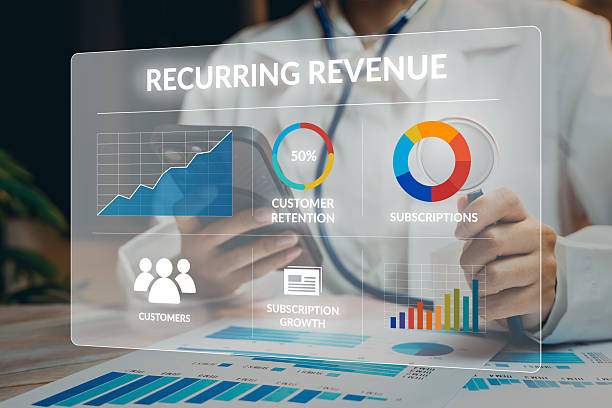
A robust sales funnel isn’t just steps. It’s the foundation of a small business’ revenue machine, customer experience, and capacity for growth. Optimizing your funnel provides you with more than just short-term sales spikes. It delivers enduring, quantifiable advantages at each dimension, from revenue to consumer confidence.
Financial impact
By optimizing your sales funnel, you’re getting more leads to convert into paying customers. That’s the easy part because it’s low hanging fruit and you know that every little bit helps. For instance, increasing your conversion rate from 2% to 3% on 1,000 leads translates to 30 sales from 20 sales. That’s a 50% increase in sales, not a 1%.
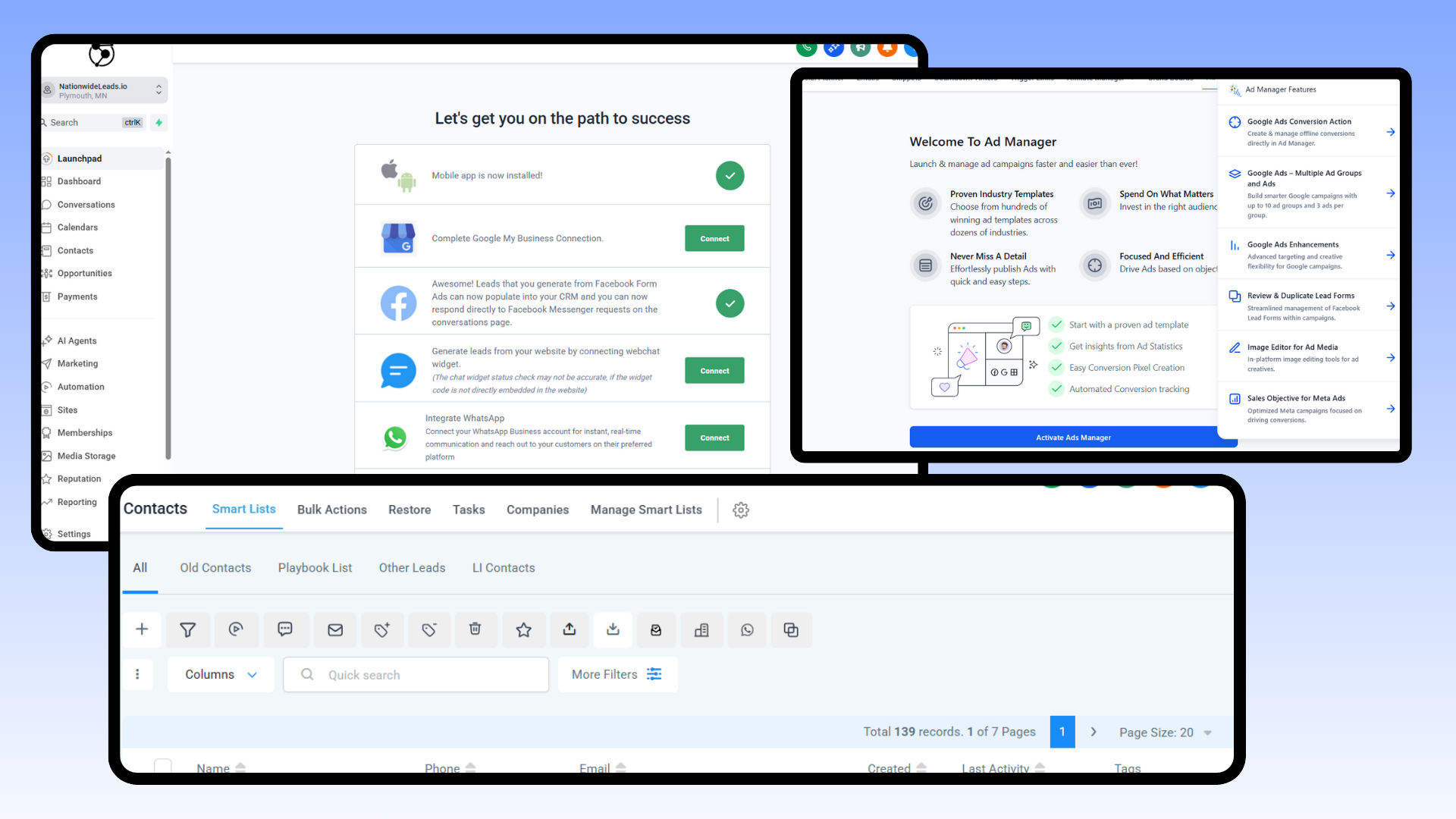
Multiply that by your average sale and you generate immediate revenue growth. Simplifying your steps saves dollars. By trimming out steps that don’t work or bottleneck, you save on labor and technology costs. Automation through CRM platforms like NationwideLeads eliminates manual drudgery, saving hours and preventing expensive errors.
The cash you invest in these tools typically returns itself within months, particularly as your sales machine operates more smoothly. Better conversion rates lead to more revenue from the same marketing spend, increasing the bottom line for solo founders and small teams.
Customer experience
Your sales funnel should be slick and simple for your customers. Each step needs to be logical and intuitive. This establishes confidence. When you gather feedback, perhaps through rapid surveys or brief follow-up messages, it identifies where users churn or experience confusion.
Addressing these pain points keeps more leads moving. Personal touches count. Using names, recalling previous moments, or providing information relevant to customer interests all aid in retention. About: How to optimise your sales funnel?
Your CRM analytics will show you what customers like or do not like. Armed with this data, you can adjust your funnel steps to align with what your buyers desire. This results in repeat business and more referrals as time goes on.
Business scalability
A sales funnel that evolves as your business matures is critical for sustained wellbeing. If your funnel is good for 100 leads a month, but not 1,000, growth will stall very fast. Automation allows you to scale without increasing staff or costs.
Automation manages drudgery such as follow-ups, lead scoring and appointment scheduling. It reduces bottlenecks when lead volume spikes. Additionally, it allows consistent messaging and tracking across campaigns.
Automation also frees your time to focus on strategy, not busywork. Intelligent infrastructure provides you with scalability yet keeps your organization nimble. Adaptive approaches such as leveraging cloud-based CRMs or modular funnel layouts enable rapid recalibration as markets or products evolve.
How to optimize your sales funnel
Sales funnels require syncing up multiple steps. The route to optimization begins with understanding where the friction is, who your buyers are, and how to provide them with what they need at the right moment.
Pinpointing issues and constructing a tailored strategy specific to your unique business and audience can be the difference between steady sales and stagnant growth.
1. Diagnose the leaks
All sales funnels have holes where your leads fall out. Use all in one CRM platforms that integrates internal and external metrics like Google Analytics to trace the journey step by step from site visit to checkout. Hunt for steep flow drop-off such as a product-page bounce rate or abandoned checkout carts.
Typical leaks are fuzzy value propositions, sluggish pages, or cumbersome forms.
Map metrics such as conversion percentage, bounce percentage, and exit rate to each funnel stage.
See where prospects get stuck or drop off, such as the pricing page or checkout.
Identify pain points: confusing navigation, poor mobile experience, slow response.
Prioritize fixes, starting with the largest leaks first.
Frequent reviews catch new leaks, especially after new marketing or website changes.
2. Segment your audience
Segment your leads into groups by age, location, buying behavior or interest. This lets you deliver the appropriate message to the appropriate group, which increases the likelihood they will take action.
Not everyone requires an identical message or offer. For example, new visitors might require general information, whereas returning buyers crave loyalty incentives.
Jump on trends you see from your CRM or website data. As time goes on, segment again tracking which emails or ads each group responds best to. Tweak and polish as customers and trends evolve.
3. Personalize the journey
One-size-fits-all is out. Begin with emails that include a customer’s name or feature products she’s looked at. Include dynamic landing pages that change content depending on the visitor.
Send them special birthday deals or abandoned cart deals. It builds trust and feels more like a conversation.
As you collect more information, you can fine-tune offers or content even further, making every step seem customized.
4. Simplify the process
Buyers jump ship when it gets too difficult. Trim steps that aren’t value-add, like lengthy sign-up forms or pointless questions. Ensure calls to action are prominent and clearly instruct folks what to do, for example, “Buy now” or “Get free quote.
Automate things like follow-up emails to maintain velocity. Some good design, such as clean menus, big buttons, and clear info, can make a huge difference.
5. Retain and ascend
Retaining customers is cheaper than acquiring new ones. Provide loyalty points, member discounts, or sneak peeks of new products.
Try to upsell or cross-sell items that match what they’ve already purchased. Keep in touch after a purchase: How-to guides, check-in emails, or exclusive deals can keep your business top of mind.
How does marketing automation improve sales funnels?

Marketing automation provides small business owners and solopreneurs an opportunity to streamline their sales funnels, make them more efficient, and more effective. By automating repetitive tasks and delivering real-time insights, automation propels leads through the funnel faster, enhances team collaboration, and provides a consistent customer experience.
It enables testing at scale so you can observe how one small change affects thousands of impressions within minutes.
Lead nurturing
Automated lead nurturing stays with your prospects from initial click to buy, even if you don’t have a dedicated marketing team. With automated email sequences, retargeting ads, and personalized SMS reminders, marketing automation keeps your brand front-of-mind with leads at every point in the sales funnel.
With automated workflows, you can make sure follow-ups occur in seconds, not days, which is key since responding to a lead within the first minute can boost conversions by almost 400%.
Targeted content is another key part. Automation platforms can provide educational resources, case studies, or product demos tailored to a lead’s behavior and interests. This guides leads to smart decisions and trust in your solution.
Scoring systems fueled by AI allow you to rank leads by frequency of opening, clicking, or engaging with your site, so that your effort is spent on those most likely to purchase. Every interaction, including clicks, downloads, and replies, is tracked automatically, providing you with the data you need to optimize your nurturing campaigns for maximum impact.
Data analysis
Analytics transparently collects and integrates behavioral data from every interaction, including website, emails, and social media, to develop a holistic profile on each lead. You can identify patterns on the fly, such as which campaign attracts the most qualified leads or where folks fall out of the funnel.
Automated dashboards display the health of your sales funnel at a glance, allowing you to make fast, data-driven decisions. Checking this data regularly helps you identify areas for enhancement.
For instance, if a landing page sees a high bounce rate, you can try out new headlines or calls to action and measure the effect in real time across thousands of visits. Automation maintains your ideal customer profile, so your funnel is always aimed at the right audience.
Consistent messaging
Integrated messaging from email, social, and ads reinforces your brand’s voice and builds trust with prospective buyers. Every touchpoint, from welcome emails to reminder follow-ups, echoes that message.
Automation tools make it simple to maintain consistent communication even if you’re juggling dozens or hundreds of leads simultaneously. Content and messaging are targeted to each stage of the funnel, providing customers with what they need to hear as they get closer to purchase.
Automation enables you to pivot when the market shifts or customers evolve. By automating these routine updates, you remain relevant and personal without having to rewrite everything from scratch.
Beyond the single funnel
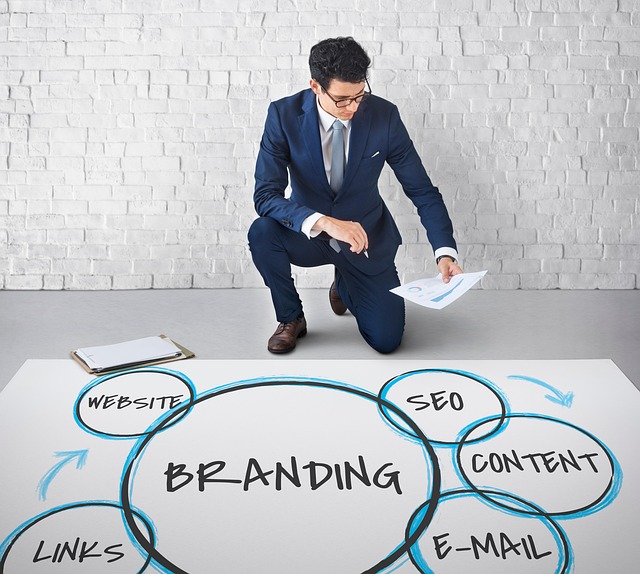
A single linear sales funnel has its limitations. It frequently stops at the initial sale, overlooking the larger narrative of brand affinity, recurring transactions, and viral expansion. Customers don’t often travel in straight lines; their path can circle back, pause, or leap from point to point.
With 60% of customers churned after their initial purchase and repeat buyers spending 67% more, it’s obvious that optimizing just the first funnel leaves a ton of value on the table. Here’s what businesses need to do: continually refine their funnels, apply fresh data, and realize there’s no universal funnel.
The customer flywheel
Build lasting success with the flywheel model, not a classic funnel. Rather than focusing solely on moving leads from awareness to consideration to conversion, the flywheel keeps spinning with loyalty and advocacy at its heart. Delighted customers keep coming back and telling other people about your brand.
It might be a great review or friends referring friends, which introduces fresh leads with no additional ad spend. To do that, put dollars into customer service and support, provide valuable content, and incentivize referrals.
For instance, a small business could thank loyal customers with a personal handwritten note or bonus coupon. Track how many customers come back, how frequently they refer, and how their input influences your offerings. Tracking these metrics gives you a clear view of how your flywheel powers sustainable organic growth.
Post-purchase funnels
Once you’ve got that first sale, it’s important to keep those buyers engaged. Follow-up emails requesting feedback transform a transaction into a relationship. A “thank you” message with a quick survey or a review request builds trust and gives you insights to improve.
Give ’em limited-time or exclusive promos to nudge them back for another purchase. For instance, deliver a 10% discount on their next purchase or an invitation to a private member’s webinar, like open rates, repeat purchase rate, and referral codes.
If engagement drops, adjust your messages or provide more relevant incentives. This feedback and improvement cycle keeps your post-purchase funnel humming along nicely over time.
Re-engagement loops
Dead customers are not dead ends. Implement automated abandoned cart reminders. Cart abandonment losses total as high as $4 trillion annually. Personalized offers, like a discount on a favorite product or a ‘we miss you’ note, can bring people back.
Configure segments in your CRM to identify purchasers who haven’t purchased in months. Target with re-engagement campaigns, maybe a product update or new tutorial. Measure re-engagement rates, sales from these campaigns, and which messages resonated.
This keeps your brand top of mind and reactivates dormant leads into buyers once more.
Key performance indicators
KPIs provide a transparent metric you can use to determine whether your sales funnel functions. Key performance indicators help you identify vulnerabilities, follow trends, and quantify your team’s conversion of leads to real business. If you want actual growth, you need to check KPIs frequently and use them to steer your decisions.
Having goals such as achieving 100 sales every single month allows you to know if you’re on pace for grander ambitions. Here are the main KPIs to focus on when checking your sales funnel:
Conversion rate
Customer lifetime value
Cost per acquisition
Customer retention
Sales velocity
Average annual contract value (ACV)
Employee retention
Conversion rate
Track conversion rates at each stage of your funnel, not just the ultimate purchase. If leads drop off after the first email or demo, you know where to fix things. Launch A/B tests to determine which landing page, email, or ad performs best.
Often, just one little tweak, changing a call-to-action, boosts conversions by 10% or more. Analytics tools can tell you where and why prospects are bailing. For instance, if you notice a steep decline following a pricing page, it could be that your proposal isn’t well-defined or your cost is prohibitive.
Use industry benchmarks and your own historical data to set realistic goals. Don’t pursue KPIs that sound nice but don’t represent your business reality.
Customer lifetime value
Customer lifetime value (CLV) informs you how much revenue to anticipate from a customer in the future. Knowing this figure helps you understand how much you can spend to acquire a customer and still profit. If your typical CLV is $1,000, then it’s a great deal to spend $200 for a done for you service for example to capture a new customer.
Slice and dice your customer base to discover your most valuable users—perhaps small businesses in a particular industry spend or renew more frequently. Center your best deals and assistance around them. Keep your CLV figures up to date, especially if you adjust your pricing, roll out new products, or observe changes in purchasing behavior.
Cost per acquisition
CPA looks at what you pay to acquire each customer. If your CPA is climbing, it cannibalizes your profit. Monitor your CPA by channel—social, paid ads, referrals or email—to identify which sources provide you with the highest lead quality.
Put out easy charts comparing CPA and conversion rate side by side. If your paid ads have a high CPA and low conversion, reconsider. Work to reduce CPA by optimizing your site, responding faster to leads because 30% of prospects will abandon you if you’re too slow, or honing your audience.
Watch for trends—if your CPA is rising every month, get under the hood and make adjustments before it impacts your bottom line!
The done for you sales funnel
A done for you sales funnel saves small businesses time and mistakes by letting the experts build, launch, and manage every step from traffic to follow-up. These turnkey CRM automation and expertise combine the three critical components: traffic, offer, and follow-up sequence, so that leads and sales are easy to generate, even for owners who aren’t tech savvy.
It’s flexible enough to work for email automation, ads, coaching, consulting, eBooks, digital products, or monthly services with battle-tested formats like 1-click upsell/downsell paths or less than $100 offer sales videos. Done for you funnels leverage a combination of traffic sources from Facebook Ads and Adwords to guest posts, YouTube, and podcasts, ensuring your business is seen by the right audience.
Expert strategy
Work with sales funnel pros to craft a bespoke plan that suits your business, not a cookie cutter template. Experts vet your offers, whether it is a $27 eBook or a $500 service, and select the optimal strategy, such as a sales video for impulse buys or a scripted, evergreen webinar for high ticket offers.
They schedule what content to deliver at every step and leverage inside industry insights to skip the rookie mistakes, from composing 20 to 25 pre-launch emails to crafting video sales letters that hook in viewers. These experts monitor funnel metrics, hear feedback, and fine-tune your funnel based on what works, so your campaign continues to improve.
Technology Features
Marketing automation software is the central component of a contemporary sales funnel. It automates recurring actions, such as email distribution or lead follow-up, and ensures that nothing slips through the cracks. CRM systems help you keep track of every customer touchpoint—what they clicked, where they dropped off, and when they are ready to buy again.
If your analytics show which traffic channels, such as Facebook Ads, LinkedIn, Quora, and YouTube, convert sales and which offers are clicked the most. It is key to make sure all these tools work together, so your funnel runs smoothly from ad click to purchase and renewal.
Continuous optimization
Establish a habit of reviewing your funnel’s performance. Check your data, including conversion rates, open rates, feedback, and more, frequently and use it to optimize every stage. Keep ahead of new tech such as AI-powered chatbots or new ad platforms that can provide you with a competitive advantage.
Inquire from your customers and team what could work better. Spend on training so everyone’s up to date on how to write emails, edit webinars, or use analytics. This constant tinkering ensures your funnel is lean and mean and prepared to battle in any arena.
Conclusion
To optimize your sales funnel, smart business owners monitor each step and adjust what doesn’t work or hire a done for you expert if they don't have time and experience. A good sales funnel provides transparent stages, minimal routes and fast victories for both parties. These simple tools, like strong CRM and smart emails, keep leads warm and close more deals. Small adjustments stop leaks quickly, such as advancing a call to action or eliminating bottlenecks. Real stories demonstrate how new setups or small fixes can boost sales, even for micro shops. A good funnel makes your work seem less feral and returns time to focus on actual growth. Want to test drive how a new funnel suits your objectives? Try for free today or request a consultation to begin get the help that drives your growth.
Frequently Asked Questions
What is a sales funnel?
Basically, a sales funnel is a step-by-step process that brings a new potential customer from first contact to purchase. It assists companies in managing and cultivating leads effectively.
Why is it important to optimize your sales funnel?
It’ll increase conversions and save you time and create a better experience for your customers. It makes your sales funnel more efficient. More leads turn into paying customers, increasing revenue.
How can marketing automation improve a sales funnel?
Marketing automation simplifies repetitive tasks, allows you to customize messages, and monitors user activity. This results in more rapid replies and greater engagement throughout the funnel.
What are key performance indicators (KPIs) for a sales funnel?
Typical KPIs are conversion rates, average order value, lead response time, and customer retention. Tracking these helps you measure funnel effectiveness.
Can a business have more than one sales funnel?
Of course, you might have several sales funnels. It focuses on the needs and it focuses on growth.
What is a “done for you” sales funnel?
A ‘done for you’ sales funnel is expert automation and strategy service for sales and professionally designed funnel. Industry pros build and run it right on your platform, giving businesses back time and minimizing configuration mistakes.
How often should a sales funnel be optimized?
Revisit your sales funnel at least every few months and optimize it. Ongoing optimization delivers better outcomes and responds to evolving customer behavior.