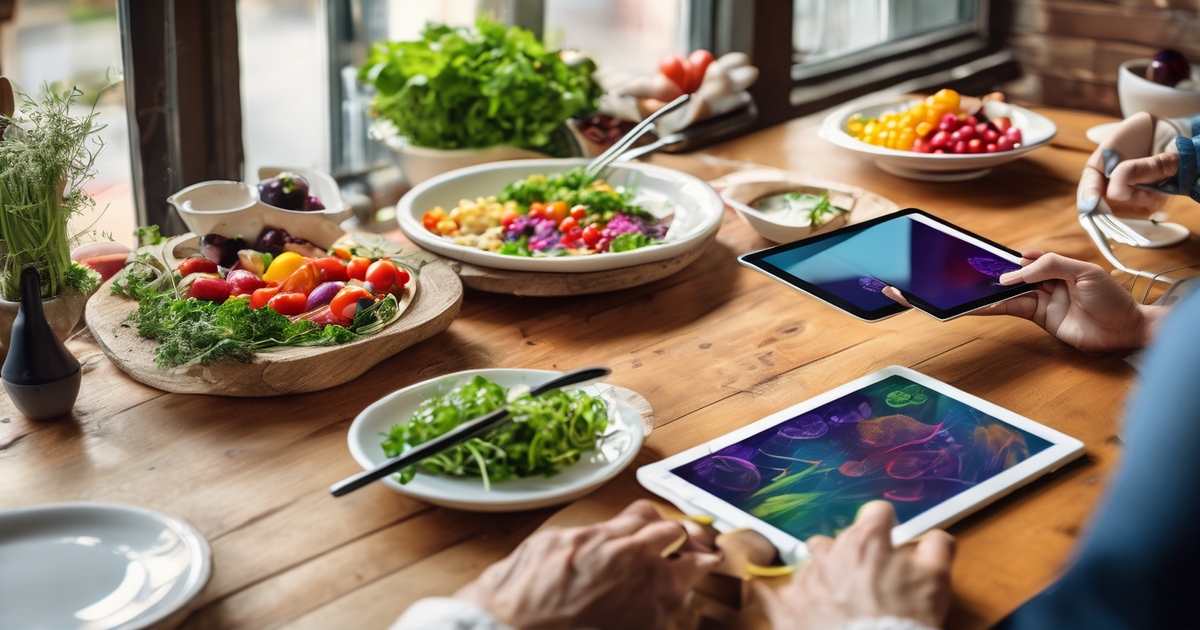
10 Essential Strategies for Developing a Content Strategy for Restaurants
Content strategy for restaurants means planning specifically what, when, and where to post online posts, menus, or news. That means rethinking your online presence. Your website, rewards or loyalty email/SMS and your social media to you draw in and keep customers.
Tap into content marketing to guide new guests to their table, share their story and bring repeat visitors back. For tiny spots or packed crews, choosing the right channels and beat can save time and increase credibility.
Marketing takes time, effort and can take you away from focusing on the business and human connection with customers is critical. This post review the essential strategies for marketing to grow cost-effectively and future proof your brand
Key Takeaways
A winning restaurant content strategy is more than menu items. It’s about storytelling, digital engagement, and community.
By sharing behind the scenes content, chef journeys, and origin stories, you’re humanizing your brand and inspiring a deeper connection with diners across the world.
Rethink your online presence. Your website, rewards or loyalty email/SMS and your social media help you draw in and keep customers.
By working with local partners, inspiring user-generated content, and spotlighting community events, you can extend your reach and build loyalty.
Use technology platforms that simplify marketing with automation and leverage affordable done for you marketing for restaurants to save time, grow efficiently and maintain relevance.
By remaining flexible to industry trends, capitalizing on emerging technologies, and leverage dfy help periodically so you focus on genuine human connection, you can future-proof your growth.
Table of Contents
Create your restaurant content strategy
The affordable DIY and Done for you marketing solution for restaurants
Future-proofing your restaurant
What is a content strategy for restaurants?
Why is a menu alone not enough to attract customers?
What types of content can help fill restaurant seats?
How can restaurants amplify their message online?
Is content marketing affordable for small restaurants?
How does content strategy future-proof a restaurant business?
Why your menu is not enough
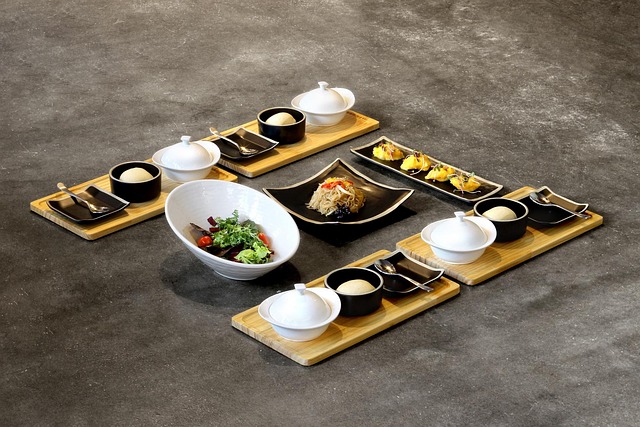
A menu is very important to your business but these days its only the beginning. Sure, it tells people what you serve, but it doesn’t tell the story, the vibe, the love in every bite. Today’s diners are seeking more than food. They want a personal, meaningful experience that connects to their values and communities.
Beyond the plate
Taking guests behind the scenes of the dishes on their tables pulls them into the experience. It’s not simply about ingredients or prices. Telling people how a dish was inspired, what traditions it honors, or how your chef thinks about it adds a layer.
For instance, plain pasta is more attractive when visitors hear it is inspired by a family recipe or made with heirloom tomatoes grown on-site. Sourcing is front of mind for people! Letting people know where you source your produce or meat, particularly if it’s sustainable or local, sets you apart.
This way you’re addressing the health and green-minded folks directly. It establishes trust, which is critical to return visits. Photos and video? Photo menus sell more. Quick clips of food being made or plated can lure people in.
Visuals help establish expectations and make dishes more appealing. A blog lets you explore even deeper. You can write about menu changes, seasonal specials or how you adapt to food inflation. These posts demonstrate your expertise and give diners a reason to visit your site beyond making reservations.
The digital diner
Most diners look online before they even step inside your restaurant. They’d like to see menus, read reviews, and get a feel for the vibe. If your website is sluggish, confusing, or not mobile-friendly, you lose people quickly.
Online reviews are your virtual word-of-mouth. Responding thoughtfully, particularly to criticism, demonstrates that you care. Good reviews increase your credibility and attract new guests. SEO can’t be ignored.
Be sure to add local search keywords so those in your area are finding you when they look for somewhere to eat. Add menus, hours and location.
Building community
Making events and joining local causes develops connections with your community. Bring people in for tastings or sponsor a neighborhood event. These acts demonstrate that you are engaged and committed where you do business.
User-generated content, such as customer photos or stories, strengthens connections. Incentivize diners to post meals online and tag your location. This delivers real content and widens your audience.
Cross-promotions with other nearby shops or services can bring in new faces. You might partner with a neighborhood bakery for dessert nights or provide discounts with the gym down the road.
By sharing community stories on your channels, you transform your restaurant into something more than dining. You become part of local life, which gets them returning and talking about you.
Create your restaurant content strategy

A good restaurant content strategy makes it easier for restaurants to reach guests, enhance their local search presence, and gain loyal repeat customers. Begin by simplifying your strategy to answer the essentials: who you are, who you serve, where you show up, what you promote, and how you measure progress.
1. Define your flavor
For example, develop a restaurant content strategy and establish a brand voice that matches your restaurant’s personality. If you’re operating a 5-star, black-tie joint, your copy should be elegant and formal. For a laid-back, counter-service café, you’re better off with a warm, casual voice.
Keep this tone consistent everywhere, including your website, social media, printed menus, or digital ads, so guests know what to expect before they step in. Emphasize the unique part of your menu. If you are known for your regional recipes or chef-driven specials, showcase those dishes in photos and quick videos.
Consistency counts; maintain the same vibe and message on every platform so people know who you are. Experiment with videos, behind-the-scenes blogs, or even chef Q&As to keep it fresh and let your unique flavor shine through.
2. Know your guests
Get to know your guests by gathering data on what they like, such as favorite dishes, times they visit, or special requests. Develop personas so you can tailor your content to families, solo diners, or business crowds. Be sure to solicit feedback, perhaps with quick surveys or comment cards, to gauge how you are doing and what guests are craving more of.
Tailor your tweets using what you’ve learned. For instance, mail a birthday deal to regulars or showcase vegan dishes for herbivores. The better you align your content with your audience, the more often they’ll return.
3. Choose your stage
Discover where your guests hang out. Some restaurants like food photos on Instagram. Some book more with Facebook or GBP. Some it simple as emailing or texting them regularly. Make your posts fit. Short videos might perform on social, and long-form menus or stories are for your blog.
Don’t stay with the same content type. Sprinkle in photos, snippets, reviews, and news. Monitor engagement with analytics tools to find where you’re getting the most traction and concentrate your strategy there.
4. Plan your specials
Build a content calendar based around seasons, holidays, and food trends. Planning ahead keeps content creation less stressful and keeps things fresh. Promote limited offers via social media. A photo of a spring salad or holiday dessert can incite urgency and buzz.
Collaborate with area farms or providers to emphasize fresh, unique specials. Pair this with powerful visuals of these dishes and you’ll have guests clamoring to have a taste. Don’t forget, content creation doesn’t have to mean loads of blog posts; recipes, chef tips, or quick kitchen videos all qualify.
5. Measure your success
Define what you want your content to accomplish, whether it’s more bookings, more online orders, or better rankings. Use analytics tools to track key numbers: engagement, reach, and conversions. Tweak your strategy when you see what works and what does not.
Just keep peeking at your objectives to ensure they correspond with your business goals. Adjust your strategy accordingly and always leverage performance metrics to optimize.
Content that fills seats

Filling seats is what content marketing for restaurants is all about. In the hustle of each day, content can be hard to create, but the reward is tangible. Content marketing drives three times more leads than outbound and at a fraction of the cost.
Broadcast to the world what makes your seat unique through online channels. Mixing photo stories, a bit of guest involvement and an overwhelming local vibe practically guarantees that your restaurant will stand out from the crowd and have tables occupied all week long!
Take advantage of high-quality photos and videos to flaunt your menu, ambiance, and staff in action.
Display authentic testimonials and reviews on your own website and social media for immediate trustworthiness.
Emphasize special experiences, such as chef’s tables, themed dinner nights, or even mini-events like trivia or live music during off-hours.
Maintain a weekly calendar of stories, exclusives, and specials to cultivate a following.
Incorporate geo-specific keywords to your posts to appear for searches like “best dinner near me” or “lunch in [city]”.
Content to fill seats, use content to build community, highlighting local partnerships and special events that reflect you.
Your origin story
Awesome origin story. It’s not about the bio, it’s about the portal into the passion of the team. Tell your chefs and staff stories—where they trained, their favorite flavors, and why they cook.
Use simple storytelling: show the struggles, the small wins, and what keeps everyone coming back each day. Old photos, handwritten menus, and shots of your first day’s crew will make your history tangible and accessible.
The kitchen's soul
Bring the magic to your kitchen by shedding light on the individuals behind the cuisine. Record times of your crew coming together with innovative dishes. Gear up for service and commemorate the minor wins.
A brief video of signature dishes being plated or chef clips explaining a recipe can pull back the curtain and build trust. Give behind the scenes looks at daily operations and the craftsmanship in every plate.
Utilize kitchen close-ups in motion or brief anecdotes of ingredient provenance to pull diners in. Even a 30-second video of a dessert that just gets finished can make someone want to book a table.
Guest spotlights
Highlight regulars in posts or mini-interviews. Post guests’ stories about their favorite meal or memory at your joint. Encourage diners to tag your eatery in posts and feature top moments on your own channels.
Put up a testimonials page on your website. This allows new customers to see actual reviews and creates a community around your brand.
Hyper-local focus
Tie your content to the community. Collaborate with local artists or musicians to hold events and infuse your space with a distinctive allure. Support local events or causes that resonate with you.
Utilize geo-targeted ads and posts to target those looking for somewhere to eat in your city or neighborhood. Little, incremental efforts such as featuring daily specials, posting snippets from the kitchen, or emphasizing a local tie-in can ensure that your restaurant comes to mind first when someone is hunting for their next meal.
Amplify your message

A powerful content strategy enables restaurants to connect with more people. With a blend of social, email, text, and partnerships, restaurants can connect to their audience on a personal level, maintaining a clear, consistent brand message. Unified messaging helps the brand stand out from platform to platform, while location-based content increases local visibility.
Amplifying your message is not just about posting, but sharing, repurposing, and pushing your best stories where they count.
A text marketing strategy
Text marketing is one of the fastest ways to get in front of diners. Restaurants can text to announce limited-time offers, daily specials or last-minute events! These messages go straight into your customers’ hands, bypassing the clutter of packed inboxes and social streams.
When you understand your audience, their preferred dishes, when they order, etc., you can send targeted offers that drive more clicks and visits. Tracking who texts, opens, and answers is key. If a particular message generates more orders or bookings, repeat it.
Over time, continue to refine your method so each message is more targeted and less easy to overlook.
Social media synergy
A regular posting schedule is the foundation of any robust restaurant social strategy. Map out posts for specific days and occasions, such as a weekly chef’s spotlight, BTS video, or local food trends. Hashtags get your posts to pop up in local searches, and tagging your location allows nearby diners to discover you.
Rapid responses to comments and messages demonstrate that you actually give a damn, making folks more likely to participate. Occasionally, aligning yourself with foodies or local celebrities can bolster your exposure rapidly.
Their followers view your culinary creations and are tempted to sample them themselves, especially if you provide an exclusive menu or experience. Resurrect your best posts cross-platform for more mileage.
Email conversations
Effective email marketing starts with a checklist: a clear subject line, a concise message, a strong call to action, and a mobile-friendly design. Segment your list so vegetarians receive meat-free offers and regulars get VIP event invitations.
Amps up your subject lines — skip the spammy words but make it personal. Follow what emails are opened and which offers are clicked — tweak your approach to maximize results. Look at open rates, click-throughs, and unsubscribes to get a feel for what your audience digs.
Local partnerships
It’s smart to work with other local businesses. Collaborate on a promotion. Perhaps a local café discounts your brunch patrons, or you hold a tasting together with a neighbor market. Each business could post the event on their social and email channels, introducing each group to new faces.
Post pictures and experiences from these collaborations. Community events or charity nights enhance your credibility and demonstrate you’re engaged in the community. Cross-promotion creates trust and it creates growth for both of us.
The affordable DIY and Done for you marketing solution for restaurants

Restauranteurs don’t have a lot of resources, so cheap marketing is all about maximizing limited resources and building real relationships with customers. A crisp, targeted content strategy can outperform costly, complicated systems that are usually accompanied by steep monthly dues.
The magic is the perfect combination of no-nonsense tools and creative ideas that will help your small business reach new diners, keep regulars coming back, and grow steadily over time.
Time versus money
Marketing your restaurant is about time and budget. Between wearing many hats and running the business, owners simply don’t have the time to spend hours on social posts, email, and updates—time better spent in the kitchen or on the floor.
You’ve got to figure out how much your time is worth. If you’re overpaying for things that don’t pack a punch, outsource where you can. Perhaps an employee adores Instagramming or answering reviews.
Sure, sometimes shipping your marketing out to a pro or agency makes sense and is worth the expense. For example, SEO or paid ads or even social media management open you to concentrate on the heart of your business—creating great food and crafting guest experiences.
The other option is doing some and having some outsourced. For example, you can use a DIY marketing platform like NationwideLeads that starts at $27/month to automate your email, SMS, social media and even review capture or hire their done for you marketing for restaurants at base price to run the campaigns while you take the pics/videos for posts or engage clients to help reviews capture.
Balance is the secret. Don’t overpay, but don’t underserve your brand by cutting every corner, either. Think about what your time is worth and choose what works for you and your budget.
The expert advantage
Working with marketing specialists introduces a new level of insight. Experts know how to leverage industry trends and battle-tested tactics to help your restaurant stand out, whether that’s creating stronger local SEO, targeted email campaigns, or running a simple, effective loyalty program that gives out instant rewards like a free coffee or 10% off.
They can configure rules that leverage your customer data to deliver personalized messages and offers, increasing engagement. Done-for-you services are an attractive option for tiny teams.
You get to enjoy the impact of well-written content, beautiful design, and great campaign management without learning every skill yourself. It’s a time saver and usually gets better results because pros know what works and can pivot fast.
It’s easier to stay on top of trends with expert assistance, so you’re less likely to overlook innovative means to engage your audience.
Consistent results
Consistent content is trust-building. It keeps your restaurant top-of-mind. Establish a posting/email/website news routine—perhaps a weekly special or a theme night (e.g. Taco Tuesday or live music).
Monitor what works by tracking metrics such as email open rates, booking spikes, or which posts drive the most orders. Experiment with this data and refine your approach for better results over time.
Celebrate small victories, such as a surge in loyalty sign-ups or a five-star review. Respond to each review within 24 to 48 hours to demonstrate you care and cultivate loyalty.
Over months, these steps help you grow consistently and keep customers returning.
Future-proofing your restaurant
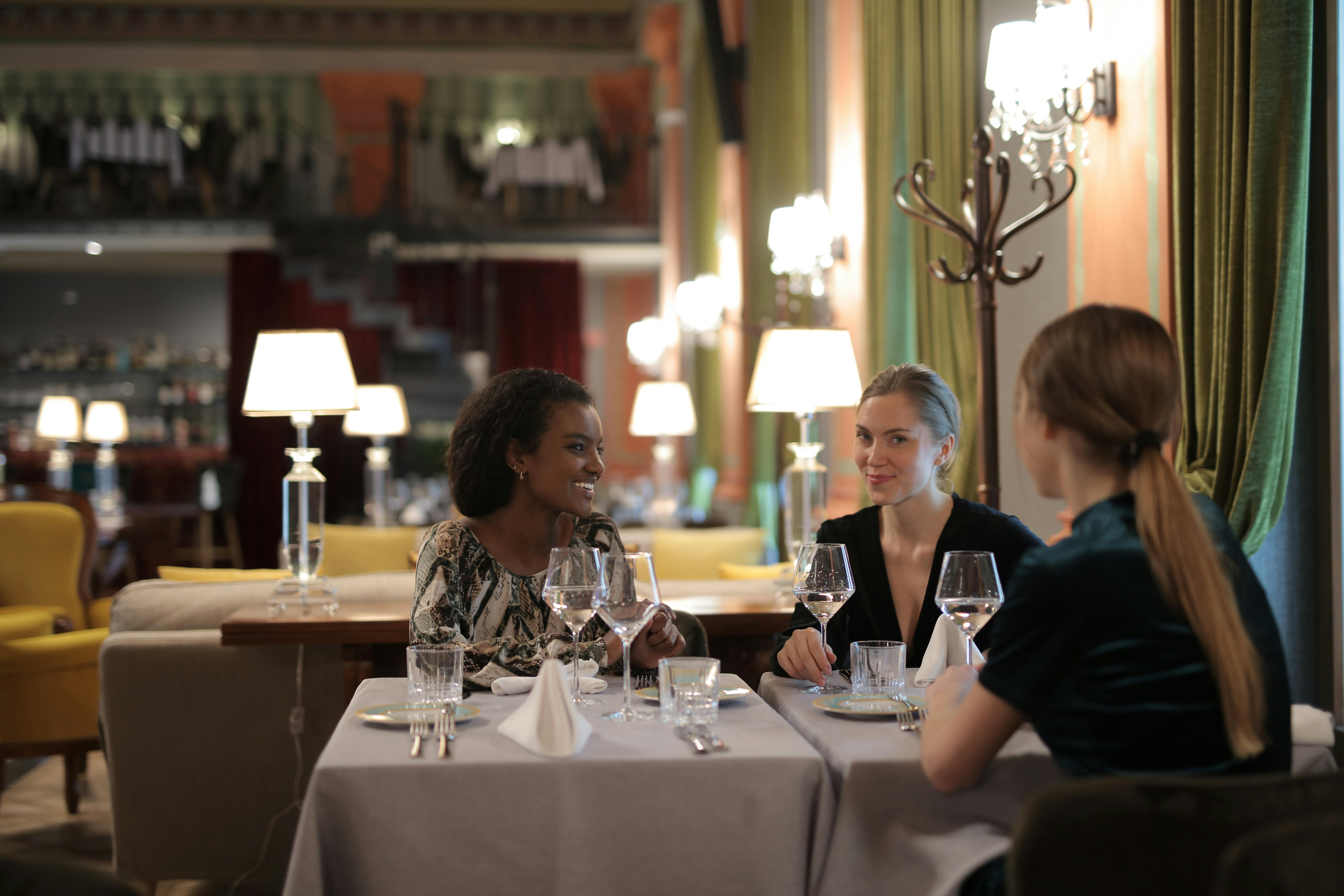
Restaurants must keep up with change, remain flexible, and engage customers to future-proof themselves. A smart content strategy lets you future-proof your restaurant by helping you see what’s coming, react fast, and build trust. The right approach is more than blog posts; content can be recycled for social, email, and web for months or years - And unfortunately requires more time.
Platforms and solutions that enables you to balance DIY and done for you marketing for restaurants cost-effectively offer the best path to future-proof your restaurant growth. This enables better flexibilities for adapting to trends, owning your data and applying human touch cost-effectively.
Adapting to trends
Trends move quick in food and dining. What’s on your menu today won’t necessarily work next year. To future proof your restaurant, watch local and global trends. See what people request. Case in point, more diners desire plant-based options and allergen menus.
Experiment, add fresh items that align with these trends and observe how they do. Social media is a wonderful testbed. Post a story about a new dish and observe the reaction. Nearly 45% of individuals visit a new restaurant because they saw it on social media, meaning one post could attract a flood of new patrons!
A content calendar allows you to schedule posts and updates around seasons, holidays, and special events. This keeps your content fresh and practical. Don’t forget that content isn’t just for your site. Post it everywhere—Instagram, Facebook, Google My Business.
Make sure your Google page is current with photos, menus, and hours. It’s invaluable for local SEO and assists individuals in locating you when searching in close proximity. Include location keywords in your posts so you appear in local search.
Owning your data
Data collection and utilization is a restaurant game changer. When you understand what guests order, when they visit, and what they like, you can make intelligent decisions. With CRM tools, you can keep track of this type of information.
Track trends to identify what gets them to come back. With this knowledge, you can deliver targeted offers or automatically recommend dishes customers already enjoy. Making it personal works great. If a guest frequently orders vegetarian, feature new veggies to them.
Of course, always comply with data privacy regulations. Guests have to be willing to entrust you with their information. This loyalty builds and your reputation stays strong. Good data shows you where you can improve, like identifying slow nights or popular dishes.
The human touch
Personal bonds count in eating. Nothing future-proofs your restaurant like a real smile or recalling a regular’s favorite drink. Loyalty beats any ad. Educate your staff. Greet new customers and make every diner a VIP.
Spotlight your staff, chefs, and restaurant journey. People resonate with genuine stories. Listen to input! Leverage reviews and surveys to identify what’s working and what’s not.
One way to improve the human touch element to your DIY campaigns is by adding affordable done for you marketing for restaurants to help with some of the tasks expertly and free up your time, so you can focus on more direct client interactions while still maintaining control of your data.
Even minor adjustments, such as greeting clients, rotating music or adjusting lighting according to restaurant critique feedback, can help spur better responses to review. The trick is to demonstrate to guests that you care about their experience each and every time they come in.
Conclusion
So to create a powerful restaurant, begin with a brilliant content strategy. Post kitchen tales, put faces to the food, and keep your commentary authentic. Post pics of new plates, share quick vids, and chat about what sets your spot apart. Email or text to get to hungry folks quick and can help build loyalty. Give quick polls a try, or better yet, run a contest. Use DIY platforms with the tools and automation you need including the flexibility to mix in done for you marketing to save your the time so you can use with with client interactions. Don't forget to future proof your brand, you don't only need to keep with the marketing trend but you need to up the human touch. See what works and use a platform or service that helps balance DIY and DFY with your budget your plan. Try it for free or get affordable expert help to get your restaurant fill more seats and stand out without the big spend.
Frequently Asked Questions
What is a content strategy for restaurants?
A content strategy for restaurants is a strategy to distribute compelling useful information on the web. It’s a content strategy for restaurants that helps you attract guests, build trust, and sell your menu beyond food photos.
Why is a menu alone not enough to attract customers?
A menu shows what you serve. Content tells your narrative. Posting stories, updates, and behind-the-scenes posts will engage potential guests and keep your restaurant top of mind.
What types of content can help fill restaurant seats?
Engaging content ranges from food photography to behind-the-scenes chef interviews, special event announcements, customer testimonials, and culinary tips. This keeps your readers interested and coming back.
How can restaurants amplify their message online?
Restaurants can extend their reach through SMS, social media, newsletters, and partnering with food bloggers or influencers. Posting consistency builds loyalty and offer more for people to see it and want to come. But it requires time and effort and sometimes an affordable done for you marketing for restaurants
Is content marketing affordable for small restaurants?
Indeed, content marketing can accommodate any budget. With low cost CRM tools like NationwideLeads that offer SMS, email, social media scheduler and more in one spot, you can create and share content without spending a fortune. Even basic posts can reach a lot of new guests.
How does content strategy future-proof a restaurant business?
Something about a good content strategy for restaurants. It keeps restaurants relevant, top of mind, and attracts new guests while helping them weather hard times by building a strong online presence.
How do I start creating a restaurant content strategy?
Begin by identifying your objectives and target audience. Schedule your posts, ensure quality, use images, and tell your story. If it is taking a lot time and effort consider platforms that enable to DIY and offer DFY help affordably so you can find the right mix that fits your budget