Mobile consumer engagement: 5 top strategies for enhancing customer relationships and driving sales
Mobile consumer engagement with SMS, notifications, ringless voicemails and more is all about how brands connect with and retain attention on smartphones or tablets. Many brands use these, texts, voice and push notifications to create rich bonds with consumers.
Use smart CRM systems to manage communications and campaigns productively with simple sign-ups, instant feedback, and understanding your customer trends to help form stronger connections.
For small shops and startups, savvy use of AI-powered CRM with lead scoring, automation and even expert done for you services can reduce expenses and increase revenue over time. To select appropriate tools and actions, it helps to understand what’s most effective now.
Key Takeaways
Mobile engagement can be so much more than a transactional tool. It’s a way for brands to build loyalty and repeat business. Using smart CRM communication systems, businesses can fine-tune campaigns, make data-driven decisions, and gain insight into customer behavior.
By harnessing automation, AI tools and even affordable done-for-you expert services within CRM platforms, even solo business owners can offer personalized experiences, anticipate customer needs, and enhance satisfaction in every market.
By treating mobile channels like SMS, email, DMs, ringless voicemails more like consumer engagement than a technology channel, you’ll grow engagement, retention, and customer lifetime value.
Only through consistent, transparent, and ethical communication via mobile channels can trust and credibility be built with audiences. This includes optimizing mobile consumer engagement strategies through feedback and analytics to remain relevant and accessible
Why mobile engagement matters

That’s because mobile engagement generates real worth to small business owners. With mobile accounting for 63.38% of all web visits as of September 2024, it’s obvious that the mobile experience has become the primary mode of engagement with brands online. Mobile engagement tools deliver the immediacy and ease that modern customers demand, enabling companies to engage in ways that seem personal and direct.
Below are some proven mobile engagement strategies:
Personalized push notifications that deliver timely offers or updates
In-app messaging for quick support and feedback
Gamified reward programs to encourage ongoing participation
Mobile wallet coupons tailored to user habits
Mobile-optimized web forms for fast lead capture
1. Beyond transactions
Transactional exchanges are only the beginning. Mobile engagement allows companies to foster more profound connections. A branded app can bring users back with exclusives, personal offers or loyalty points.
For example, incorporating gamification such as progress bars or achievement badges can increase user retention, while personalized messages based on past purchases create a sense of connection. It’s about more than just the sale; it’s about driving repeat business and loyalty by moving to a continuous engagement model.
2. Building trust
Trust develops with transparency and regular communication. Mobile notifications can alert customers of order status, account changes, or service updates. Asking for feedback within your app via chats or in-app surveys signals that you’re open to input.
Maintaining your brand tone in all of those different mobile touchpoints comforts users. Such steps assist companies in gaining trust, which is essential for sustainable achievements.
3. Predictive insights
Customer insights and scoring is available to even small businesses. By monitoring the way users engage with an app or website, companies can identify patterns and gain insight into consumer desires.
AI-powered tools identify high-potential leads, so teams can focus on the right prospects. Campaigns are more targeted, and marketing dollars stretch further.
4. Competitive edge
Mobile-first businesses differentiate by providing a more effortless, salient experience. Keeping an eye on emerging tech trends and brushing up mobile strategies keeps businesses ahead.
Fast sites matter — a one second load time almost triples conversions compared with five seconds. Keeping your mobile offerings sharp helps keep customers choosing you over competitors.
5. Customer lifetime value
Here’s why mobile customer engagement matters. Brands can utilize mobile engagement platforms to analyze engagement data, identify their top customers, and provide relevant benefits, such as custom loyalty rewards.
Crafting your strategy

It then requires a detailed understanding of your audience and their needs at key touchpoints in the customer journey. These objectives direct all decision-making and allow you to follow concrete development with your performance indicators. Align mobile efforts with business goals by staying on course and preventing resource waste.
Understand your audience and customize your strategy with insights into their behavior, needs, and preferences. Review your outcomes frequently and adjust your strategy according to analytics and customer feedback, enabling you to identify and address vulnerabilities rapidly.
Personalization
Segment customers by behavior, location, spend, and device used
Use purchase and browsing history to shape product suggestions
Follow actions to tune content in real time.
Collect feedback through mini-surveys or prompts for more accurate targeting.
Sending targeted offers via SMS or push notifications drives mobile customer engagement. Here’s where dynamic content, such as rotating banners or customized greetings, comes into play. It changes for each user and keeps them engaged in their mobile shopping journey. Noticing milestones, such as anniversaries and purchase streaks, breeds customer loyalty and makes people feel appreciated.
User experience
Experience on mobile is the foundation of loyalty. It should be easy to navigate and it should be fast. There shouldn’t be a lot of steps to completing something.
Cut out any unnecessary graphics or menu options to minimize friction and make loading faster. Mobile responsiveness counts and visitors demand quick pages anywhere. Feedback tools, such as in-app surveys or star ratings, allow you to quickly identify user pain points and optimize designs.
Frequent testing reveals unseen problems and lets you deploy updates that genuinely fix things, not just add functionality. Solutions for frictionless purchases, like mobile wallets and one-tap ordering, eliminate obstacles and differentiate your brand.
Value exchange
Transparent reward systems
Simple redemption processes
Clear privacy policies
Useful educational content
Social sharing features
Provide secret mobile-only offers or early access to items to incentivize loyalty. Educational content, such as how-tos or short videos, enables people to get the most out of your product.
Community aspects, like group chats or user stories, foster belonging and increase engagement. Value has to be obvious, easy to access, and directly related to actions people take.
The CRM technology behind engagement

Mobile consumer engagement leverages a blend of technologies that enable brands to craft interactive, personalized experiences across digital platforms. The key is having majority of these in one platform as a backbone—responsive websites, messaging and social tools—designed to enable real-time, fluid communication.
These CRM systems like NationwideLeads provide brands with the ability to co-create value with customers, delivering touchpoints that capture insight and stimulate conversion. All with functionality designed to increase engagement, retention and loyalty.
AI-powered scoring
AI-powered lead scoring is now essential for small businesses seeking to optimize every customer moment. These systems rely on real-time information from app activity to buying behavior to categorize and prioritize leads by their probability to convert.
We use predictive models to predict which users are ready to buy so you can spend less time chasing low-value prospects.
Lead engagement infrastructure While automating lead management slashes grunt work, it liberates teams to do more strategic and customer-centric work. Periodic reviews of scoring rules make certain these models stay aligned with business objectives and evolving market dynamics.
This saves time and adds a degree of precision that manual methods can’t replicate.
Intelligent CRMs
Smart CRM tools like NationwideLeads aren't just a contact list. These tools unite all your customer touchpoints in a single location and facilitate mobile engagement across channels.
Staff can review interactions and follow up wherever they are. Automation features, including scheduled messaging and follow-up reminders, keep campaigns and sales outreach humming along.
CRM analytics dive into customer behavior, like how frequently users open your app or redeem points. These insights indicate what’s working and where to adjust your strategy.
When your CRM links with email, SMS, and ad platforms, you get a unified marketing engine that is adaptable and simple to control.
Real-time analytics
A good engagement strategy requires real-time data. Businesses measure engagement by monitoring metrics such as session frequency, last visit and loyalty points.
Dashboards and data visualization tools help identify trends and behavior changes rapidly. By observing this data, companies are able to tweak campaigns on the fly, such as delivering a push message when engagement declines.
These tools bring actionable insights to the surface, helping you prioritize and act quickly.
Optimizing communication channels

Mobile engagement is about choosing the optimal combination of channels and customizing each to the natural behaviors of phone users. Most small businesses need to really understand what channels actually reach their audience and have an impact. It’s not just about pushing more messages but about being smart: using SMS, push notifications, email, ringless voicemails and social media together to get to the customer where they are, when they want it.
This means eyeballing response patterns, what tempts the click, and tuning every step of the journey. Because roughly 60% of emails are opened on phones, it’s crucial to see how everything looks and functions on mobile. Simple web design helps, too, eliminating anything that bogs people down or clutters the screen. You want each note, each point of contact, to be speedy, transparent, and helpful.
Purposeful notifications
Notifications work best when they assist users, not just grab their attention. Establish automated campaigns that incorporate actual data, such as transactions or milestones reached, to deliver messages at precisely the appropriate time. Let these messages be personal and connected to what users do and like.
For instance, a customer hitting a loyalty milestone could receive a reward notification, while someone who browsed products but didn’t purchase gets a reminder. Timing matters: too many alerts annoy and too few get ignored. Always check open and click rates to see what’s working. Use A/B testing to fine-tune timing and content, ensuring that every message delivers value, not noise.
In-app messaging
In-app messages allow companies to communicate with users when they are engaged and attentive. These may provide support, introduce new features, or emphasize updates. Real-time assistance, such as chat or walkthroughs, can reduce frustration quickly.
Short surveys inside the app bring in feedback fast, which helps identify issues or generate ideas for new features. By launching updates or rewards inside the app, you keep users in the loop without depending on external channels.
Two-way conversations
Authentic interaction is born from hearing as much as speaking. Two-way channels, such as live chat or even automated chatbots, allow small businesses to address questions as they arise. This establishes trust and demonstrates genuine care for customer problems.
Allow others to share feedback, stories, or pain points. Fast responses are important because a tardy reply can doom a potential sale or cost loyalty. Gamification, whether with badges or progress bars, has people engaging and returning. Each response and each query addressed is an approach to a long-term relationship.
The human element in digital engagement

Digital customer engagement is no longer about speed or automation. Consumers want to feel noticed and listened to, not just churned. Consumers hate feeling like a faceless entity to a brand.
Businesses that bring the human element to mobile channels experience greater loyalty and achieve better results. It’s conversations, not transactions, that are the new standard. This pivot from impersonal digital experiences to real-time, mutual-value exchanges defines the way small businesses and solopreneurs secure trust and sustainable growth.
For busy business owners without the time and training, leveraging expert done-for-you services within these CRM platforms offer an effective way to provide personalization while maintaining control. Experts help you design mobile consumer engagement campaigns while freeing you up to engage your clients and leads better
Empathy at scale
You can scale empathy with straightforward tech, like the CRM platforms that capture customer information and previous conversations. Staff receive nudges to call people by name, recall preferences and check back on previous problems, rendering every encounter intimate.
Training that focuses on listening and emotional intelligence enables staff to better comprehend and fulfill customer needs, even through chat or mobile apps. They’re using customer data to identify issues before they occur.
For instance, flagging when a repeat customer’s order is late and then reaching out with help demonstrates care and cultivates loyalty. Fostering a culture of empathy among your team builds authentic connections.
Small businesses, particularly in sectors such as finance or health, should train staff to treat sensitive needs with sensitivity.
Psychological triggers
Mobile engagement is most effective when you leverage the human psychology behind their actions. Scarcity and urgency, such as limited-time offers, can drive a user to take swift action on a mobile site.
Social proof, like reviews or testimonials, eases the concerns of new buyers that others have faith in your brand. Stories count as well. Humans recall stories more than numbers.
Small customer stories or case studies in your app or SMS can ignite trust or motivate action. Employing emotion-driven content allows customers to connect and react.
Ethical engagement
Trust increases when customers know their data is secure and well-utilized. Be transparent about privacy and respect limits. Never fool people into buying or clicking.
Gaming damages long-term trust. Opt for truthful marketing that lets customers make their own choice. Accountable mobile interaction honors individuals’ attention, preferences, and confidentiality.
Measuring what truly counts
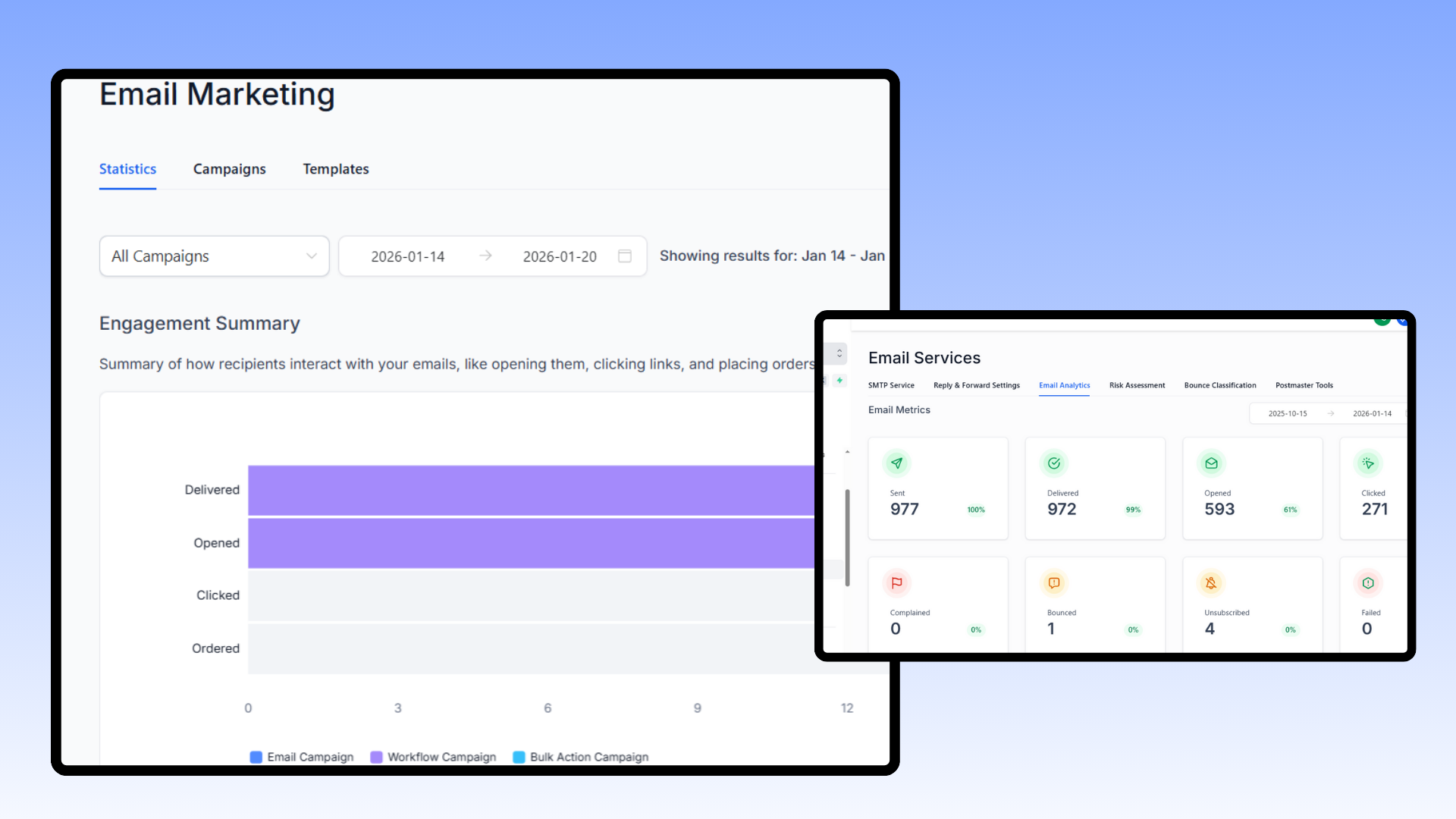
Mobile consumer engagement is best measured with the right measures. Key performance indicators, or KPIs, tell you if your mobile customer engagement strategies are effective. Good KPIs go beyond simply counting downloads or likes. Instead, focus on in-app action, push notification CTRs, return visits, and user lifetime.
The industry leaders have CTRs of 40% on push messages, whereas most companies get about 25%. These statistics tell you a lot about how much your message resonates with your audience. Don’t leave it at that. In-app interaction rates such as clicks and swipes are 25 to 40%, and the real victory is when users complete onboarding or a tutorial.
Completion ratios higher than 60% indicate you’re headed in the right direction. Peek at your metrics frequently; this is key. The old way of checking your stats every quarter misses changes that happen more quickly. Now, AI and automation enable you to monitor campaign progress on a daily basis, tweaking immediately to enhance your mobile customer experience.
This helps you stay abreast of what customers desire. Pay attention to how often they come back, how long they linger, and what causes them to walk away. Cart abandonment, push-triggered purchases, and day 30 retention, which typically is just 5 to 10 percent, reveal what is effective and what is ineffective in your mobile engagement strategy.
Customer feedback is valuable. More than half (51%) of all consumers want companies to request their feedback, be it by email, phone, or in-app. Yet under 1% of customers ever speak up—the ‘vocal minority.’ The others, the “silent majority,” possess feedback you won’t get unless you seek it.
Leverage surveys, app prompts, or even follow-up calls to hear more voices and make smarter changes. Long-term engagement is more important than a quick sale. Concentrate on developing connections and measure who returns, not only who comes once.
In this way, your business expands with mobile app users who believe in you and continue to use your app or service.
Conclusion
If you want to create tangible connections with people on mobile, think quick, simple and heartfelt communication and leveraging smart CRM systems to make it simple. Consumers want rapid information and seamless assistance from trusted brands. Experiment with text blasts, easy emails, or ringless voicemails that demonstrates true worth. Blend tech savvy with a personal touch. Be flexible, get expert help and accommodate people. Score major victories with clever mobile strategies, such as a birthday text or a timely pointer in the midst of a promotion. Try our CRM platform for free or request a free demo consultation.
Frequently Asked Questions
What is mobile consumer engagement?
Mobile customer engagement refers to the interaction between brands and customers through mobile devices, utilizing apps, messaging, and social media as part of effective mobile customer engagement strategies to foster relationships and drive actions.
Why is mobile engagement important for businesses?
Mobile engagement strategies help you reach consumers instantly and conveniently, enhancing the mobile customer experience, loyalty, and conversions worldwide.
How do you create an effective mobile engagement strategy?
Begin by knowing your audience for effective mobile customer engagement. Select appropriate channels, define objectives, and leverage analytics to customize messages.
What technologies support mobile engagement?
Core technologies such as mobile apps and mobile customer engagement platforms, including push notifications and chatbots, assist in providing users globally with timely, relevant content.
How can businesses optimize mobile communication channels?
Try different engagement channels, measure what mobile customers want, and format for mobile. Leveraging analytics will guarantee that your mobile customer engagement strategies deliver messages to the right people at the right time.
Why is the human element important in digital engagement?
Personal and impersonal connections build trust in mobile customer engagement, humanizing digital interactions to enhance relationships and loyalty.
What metrics matter most when measuring mobile engagement?
Optimize for open, click, retention, and conversion rates to enhance mobile customer engagement strategies, revealing how effectively your mobile efforts engage and incentivize consumers.