How to choose the right CRM for retail small business success
A retail engagement platform is a platform designed to enable retailers to engage with customers in intelligent ways. Retailers use these platforms to push offers, respond to inquiries, and understand buyer preferences.
With one, stores can delight shoppers, measure what’s effective, and respond quickly. Small shops, side gigs, and new brands discover these tools help them scale and run campaigns.
Next, take a closer peek at how these tools operate and provide cost-effective growth.
Key Takeaways
Retail engagement platforms empower retailers to go beyond transactions to drive more meaningful, personalized, and enduring customer relationships.
Bringing customer data together gives you a single view, empowering personalized marketing and informed decision-making with actionable analytics.
Automation and real-time personalization are must-have features to optimize customer journeys and drive increased customer engagement and loyalty.
Finding the best CRM for your business comes down to making sure its features match your goals, integrations are seamless, and scalability and automation are supported.
Powered by AI, smarter predictive insights, customer conversations, and automated experiences make retail engagement more effective.
If we want CRM to be successful, we need to think about people and processes and measure engagement metrics in a constant state of improvement that improves the business.
Table of Contents
What is a retail engagement platform?
How to choose the right CRM for small business
Key features for your retail business
The role of AI in retail engagement
Predictive and scoring insights
Beyond the software: a strategic shift
Measuring the impact on your business
What is a retail engagement platform?
How does a retail engagement platform benefit small businesses?
What key features should I look for in a retail engagement platform?
How does AI improve retail engagement platforms?
Is a retail engagement platform only about software?
How can I measure the impact of a retail engagement platform?
What is a retail engagement platform?

So what is a retail engagement platform? It unites customer data across channels, including in-store, apps, email, and purchase history, to provide a clear picture of every shopper. Rather than just driving sales, these platforms empower businesses to cultivate deeper relationships by leveraging unified data and real-time insights to tailor every customer’s experience.
They allow retailers to deliver the perfect message to the perfect customer at the perfect moment via email, SMS, loyalty apps, and even IoT devices.
Beyond transactions
Retail engagement platforms assist this refocus on engagement over selling. Instead of viewing shoppers as statistics, these platforms facilitate real conversations and continued engagement. Rather than blast out generic promotions, retailers can employ these tools to open a conversation, discover what is important to each shopper and engage in ways that build loyalty.
These platforms simplify to business-friendly, helpful outreach. For example, a shoe shopper who searches online but doesn’t purchase might receive a targeted ‘after shopping’ message with a discount instead of a generic advertisement. It establishes a genuine connection that translates into more loyal, delighted shoppers.
Relationship, not just sales, pays off. Customers who feel seen and valued become loyal shoppers, brand advocates, and long-term customers. Retailers gain increased loyalty, more consistent revenue, and enhanced word of mouth.
Unified data
At the heart of a customer engagement platform is a single, unified database. All of your customer data, including web behavior, app behavior, loyalty, and purchases, funnel into a single location. This centralized data environment allows retailers to rapidly identify behaviors and comprehend purchasing motivations, enhancing the overall customer experience.
Through the single customer view, marketing teams can build dynamic segments. For instance, they can segment customers by frequency of purchase, favorite items, or even by propensity to react to new offers using predictive AI. This targeted approach makes campaigns more focused and reduces waste, making it a powerful customer engagement solution.
Unified data fuels analytics that extend well beyond basic reporting. Platforms frequently include visual dashboards for creating and managing campaigns across channels. Real-time decisioning means retailers can act fast on fresh insights and tune offers or messages as customer behavior shifts, optimizing their engagement efforts.
Personalized journeys
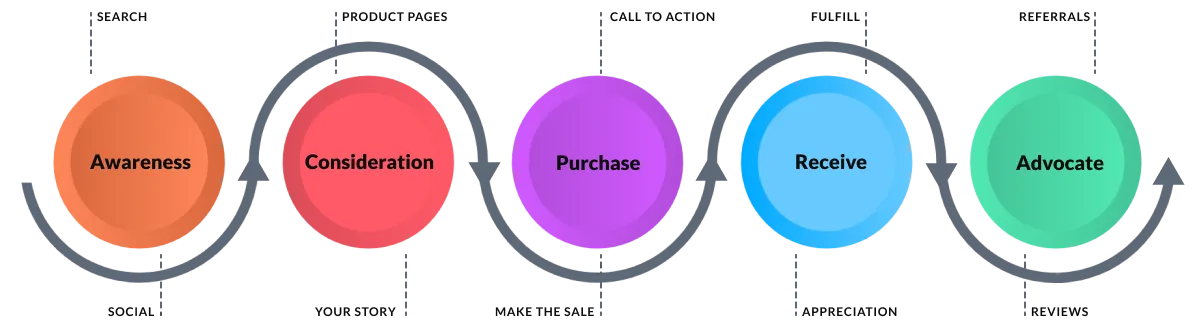
Personalized journeys are the core of a great retail engagement platform. Leveraging omnichannel data, these platforms assist in customizing each touchpoint—emails, app alerts, store visits—to individual preferences and behavior.
Personalization is more than inserting a name into a message. It’s recommending products based on purchase history, reminding someone of an abandoned cart, or delighting a frequent shopper with a birthday offer. These personal touches increase delight and hold customers' attention.
Platforms with AI can scale this personalization. They detect who is likely to purchase soon or react to some offers, enabling retailers to focus their efforts on them. Deliverability services such as email onboarding and IP warming plans increase the likelihood that messages arrive in the correct inbox.
Retailers with engagement platforms can quickly create and modify these journeys using intuitive, visual tools. The outcome is a frictionless, orchestrated experience that comes across as intimate, no matter if the shopper buys online or in store.
How to choose the right CRM for small business
Choosing a CRM for retail small business involves cutting through the hype and honing in on what will literally support your day-to-day efforts and sustainable growth. There are a ton of choices, but not every CRM suits every shop. Every business is different, so the ‘right’ choice often depends on how well the system matches your specific needs, your growth plans, and your budget.
Whether you’re looking to increase customer service, accelerate sales, or simply keep your data straight, a systematic approach will save you time, money, and headaches.
1. Define your goals
Begin by listing what you want your CRM to do. If slow sales is your biggest challenge, concentrate on features that close deals faster. If it’s about tracking conversations better, search for strong communication tools. Defined goals will help you see what CRM fits your business.
Connect these objectives to your overall business strategies. If you’re scaling, your CRM should assist, not hinder. Be specific. Use targets that are measurable, like “boost repeat purchases by 20%” or “reduce follow-up time by 50%” so you can verify that your CRM is actually assisting.
2. Assess integrations
Your CRM should play nice with tools you already use, like Shopify, QuickBooks, or Mailchimp. Integration results in less manual effort and smoother data transfer. A good CRM connects to your POS, email, and marketing apps without a hassle.
If you intend to bring on additional tools down the line, make sure your CRM can accommodate new integrations. Cloud-based CRMs tend to be easier here; they are made to work well with a variety of apps and scale as your needs increase.
3. Verify automation
Automation saves time by taking care of banal tasks such as sending follow-up emails or updating customer information. The right CRM will allow you to build workflows that match your sales and marketing processes.
Check for automation that can be actioned based on customer behavior, such as a discount after a purchase. Too little automation means you’re stuck doing stuff by hand. Too much automation can get overwhelming, so be sure the features align with your actual needs.
Automation results in fewer errors and speedier service for your customers.
4. Confirm scalability
Your business will evolve, so select a CRM that scales with you. Scalable CRMs manage more customers, more data, and more teammates as you grow without cost you more. Entry-level plans are good to begin with, but see what it takes to upgrade.
Stay away from systems that lock you into an expensive leap, cost more as you grow contacts or make migration a hassle. A cloud-based CRM will generally be easier to scale while keeping all your info in one place.
5. Understand value
Consider what you receive in exchange for the fee. Don’t just compare entry, midtier, and enterprise plans on cost; compare what they include and the support. Consider short-term cost versus long-term value.
A quality CRM balances cost with great support, useful training, and simple setup. Do read third-party reviews and test demos before you buy. Ensure the system provides what you need — nothing more, nothing less.
Key features for your retail business
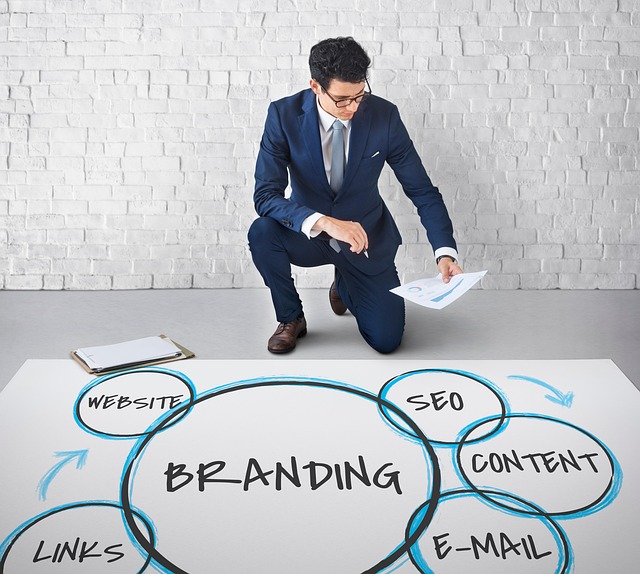
Retail engagement platforms introduce a customer engagement solution that lets your small business delight customers and increase sales. The features will give your retail business a distinct advantage in a tough market, helping you stay ahead of evolving customer demands by providing a unified customer profile that enhances customer interactions.
A single customer view
Having one place to see all your customer info gives you the power to make every interaction count. When a retail platform consolidates order history, product likes, communication, and service tickets, you have a far more vivid understanding of what each customer desires. This ‘single customer view’ is more than a database; it’s the basis for deeper relationships.
With it, you send birthday deals, suggest products based on previous purchases, and identify unhappy customers before they churn. Once a bonus, personalized experiences are now the norm. Research indicates that 66% of shoppers will change brands if their experience isn’t personalized.
With strong customer data support, you’re not guessing; you’re doing it on hard facts. This allows small businesses to punch above their weight, providing the type of service often reserved for bigger brands.
Real-time personalization
It’s all about sending out the right message at the right moment to the right people to win and keep customers. Real-time personalization can utilize live behavioral updates such as session browsing, cart abandonment, or live chat transcripts to trigger messages or offers. If a shopper forgets a cart, remind them to come back if they leave a cart behind.
If they shop for a product, give them a discount. CRM can automate these moves, minimizing manual work and generating greater engagement. By personally displaying related SKUs or promotions as shoppers browse your store or website, you generate an experience of being noticed.
That’s what creates devotion and repeat visits. Retention is far less expensive than acquiring new buyers, and real-time tools simplify the process.
Omnichannel communication
Omnichannel means your customer receives the same caliber of service and information regardless of how they contact you. That could be WhatsApp, SMS, email, or chat apps. A solid retail CRM allows you to manage all these from a single dashboard.
That way, your message and style of service are consistent regardless of the channel. Shoppers hate having to tell you twice! By connecting all touchpoints, you provide the integrated experience 71% of purchasers desire, yet just 29% report receiving.
Omnichannel unlocks opportunities for trends such as livestream commerce, where consumers engage and buy in real time. With integration with chat apps and social channels, you’re reaching customers where they already are. This is convenient and it drives engagement and sales.
Actionable analytics
Data is worthless unless it informs your next move. Retail engagement platforms transform raw business metrics from sales, campaigns, and feedback into tangible actions. You can identify trends, monitor effective marketing, and uncover barriers to purchase.
With survey and feedback tools baked into the crisp, you can ask customers what matters, be it product, price, or values like sustainability. Analytics let you experiment and iterate.
For instance, if your Gen Z buyers begin requesting green packaging, you’ll notice that from the feedback. You can then quickly respond. Automatic tracking means you’re constantly learning and never lagging.
The role of AI in retail engagement

AI is transforming retail engagement. It enables brands to personalize every touchpoint, anticipate what people desire, and reduce time-consuming manual work. Over a third of SMBs leveraging AI focus on targeted ads, and at least one in five say it helps them get to know their customers better. This results in the more personal contact that 73% of customers now demand.
AI is not just a term. It powers smarter, more engaging retail interactions.
Predictive and scoring insights
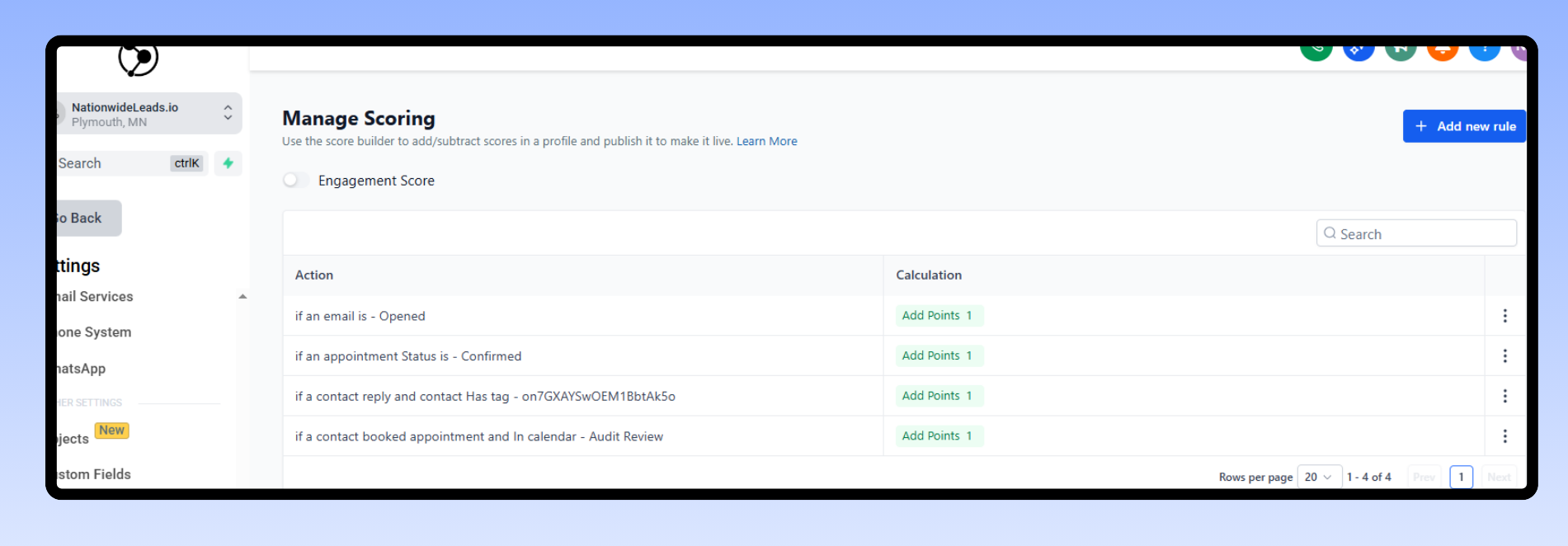
Scoring insights are helping retailers shape smarter marketing through a customer engagement platform. Using a variety of data, including purchasing trends, browsing habits, and even local happenings, AI can help brands determine the optimal time to deliver an offer to the perfect customer. This isn’t conjecture; it’s data-driven insight into shopper behavior.
If a customer regularly shops for winter gear in October, predictive tools can nudge them a little ahead of the season. This keeps marketing pertinent and immediate, enhancing the overall customer experience.
AI isn’t only supporting ads; it can recognize patterns in what’s selling and what’s not. Almost 40% deploy AI for optimized stock management, resulting in fewer empty shelves and less wasted stock. Sales forecasting is more precise. Retailers can intervene before a product goes out of stock or becomes stale, saving money and delighting customers while leveraging effective engagement solutions.
The benefit is clear: companies that use data-driven personalization often see five to eight times the ROI on their marketing, and sales go up by 10% or more. It’s the anticipation, not the reaction, that builds trust, and it’s this dynamic that empowers small businesses to punch above their weight.
Smarter conversations
AI can make each conversation matter, especially when integrated into a customer engagement platform. With AI-driven chatbots, messages, and virtual assistants, retailers can provide prompt, useful responses at any time. Shoppers don’t like to wait or repeat themselves. When AI manages common requests like order status, product information, and returns, employees have bandwidth for complicated requirements, enhancing the overall customer experience.
Chatbots learn from every chat, becoming smarter about predicting shopper desires, which increases delight. Over 39% of buyers are more likely to chat with brands that serve up these smart replies. Quick responses generate happier shoppers and greater revenue, making the right customer engagement platform essential.
Personalized conversations build loyalty. If a shopper receives a suggestion for a product that fits their style or recent searches, they feel seen. In the U.S., 43% of shoppers say they’re more inclined to buy from brands that provide this type of personal engagement, which is crucial for effective customer interactions.
These more intelligent conversations establish the foundation for deeper relationships over time.
Automated experiences
Automation adds speed and precision to retail. AI-powered bots or tools, for example, can automate low-level tasks such as notifying customers with order updates or tracking deliveries. This leads to fewer mistakes and less customer holdup.
Automation allows staff to dedicate more time assisting with custom queries or developing new campaigns. Campaigns run smoother with AI. With automated targeting, follow-up emails, and dynamic offers, for example, AI can increase marketing effectiveness by 35%.
That translates to more output for fewer inputs. With AI, small shops can execute campaigns that used to require an entire team.
Consistency is critical. Automated systems ensure that each shopper receives a uniformly superior level of engagement, even in peak periods. It enhances engagement and generates greater loyalty. Happy shoppers are the ones that return and suggest a brand to their friends.
Beyond the software: a strategic shift
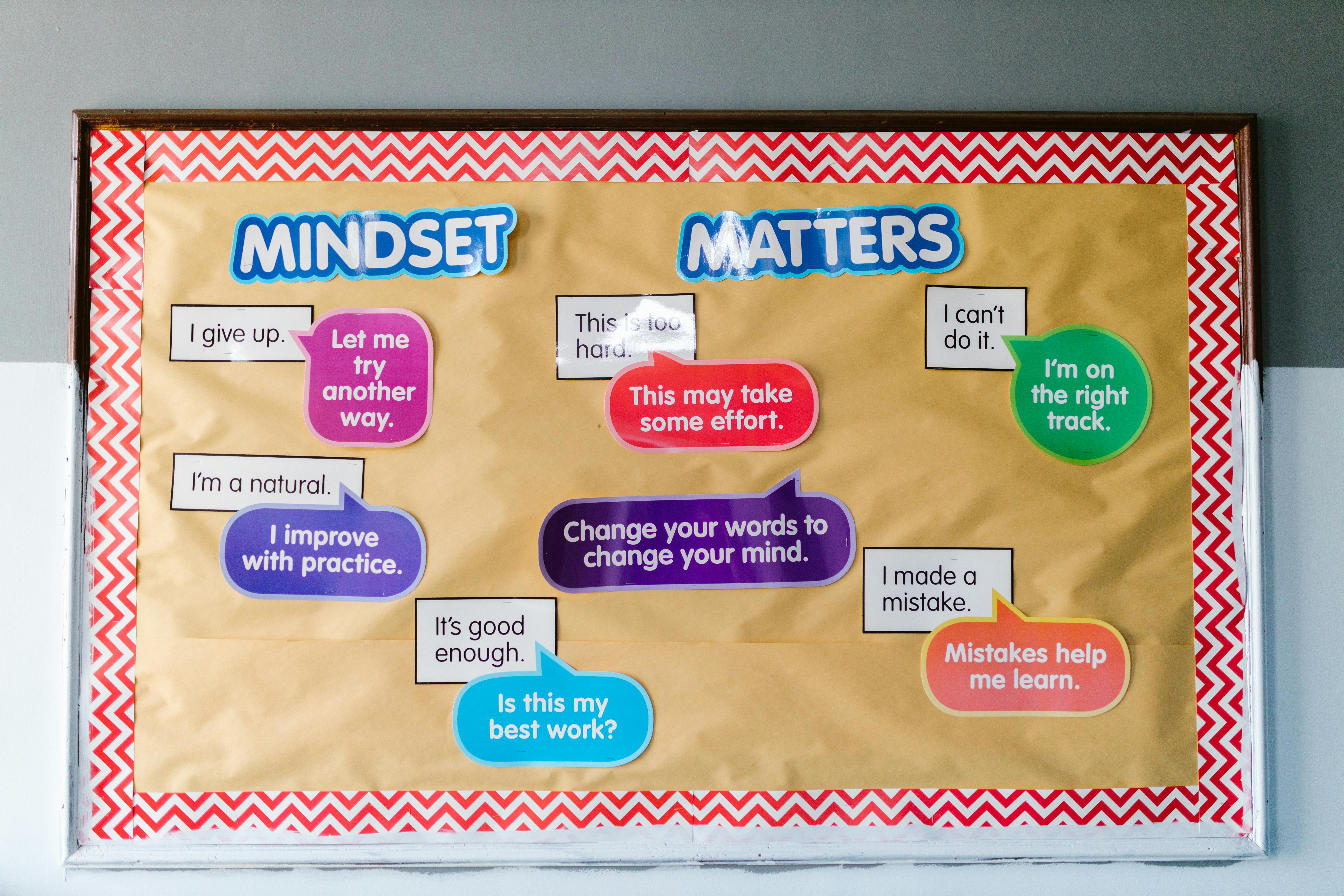
Retail engagement platforms were once about the software. The market is no longer that way. Now, retailers require a bigger plan, one that centers around people, process, and unified commerce.
It’s not about the software; it’s a new strategy. Getting there involves connecting digital and store channels and cultivating culture, not simply software. Retailers must make customer engagement a core strategy, rather than an after-the-fact strategy.
CRM strategies can’t be some software fantasyland that runs counter to the company’s goals.
Integration of data across all retail channels is the key.
Customer engagement and satisfaction should drive all technology choices.
A unified commerce approach helps retailers shine in saturated marketplaces.
Real-time insights are critical for timely, informed decisions.
Strategic alignment reduces complexity and breaks down silos.
People first
Checklist for a customer-centric culture:
Leadership commitment: Leaders must show and support a customer-first attitude.
Cross-functional teams: Break silos so all staff share customer insights.
Ongoing feedback: Set up ways for customers and employees to share feedback.
Recognition and reward: Reward staff who go the extra mile for customers.
Continuous learning: Give staff access to new skills and customer care training.
When employees feel appreciated, they extend it onto shoppers. Happy workers, in turn, generate better customer experiences, which generates repeat business.
Staff training is paramount. More than software, a strategic shift in investment development helps teams manage challenging encounters, articulate client needs, and effectively deploy CRM tools.
As years go by, these habits cultivate in small businesses a reputation for great service, which is a powerful competitive advantage.
Process alignment
CRM tools only work if processes align. Small businesses should review existing workflows and inquire, “What are ways that data and automation can assist us assist customers better?
For instance, syncing inventory data with your CRM can eliminate out-of-stock surprises and delight customers. They simplify identifying and addressing pain points for both employees and consumers.
When every step of that journey from initial outreach to post-sales support ties back to the CRM, teams can identify patterns, respond quickly, and maintain customer loyalty.
Continue optimizing. Retail is shifting and so are customer needs. Check in on your processes frequently, request feedback, and make adjustments so your CRM continues to work for you.
Phased rollout
If we roll out CRM in phases rather than all at once, it makes sense. Begin by experimenting with one or two functionalities, perhaps customer messaging or automated emails.
This strategy allows teams to learn while it leaves you room to identify issues before expansion. Phased rollout allows you to collect feedback, adjust your strategy, and prevent staff burnout.
You mitigate risk because if something crashes or breaks, it impacts only small pieces of your business. Track your advancement. Monitor what works and what doesn’t and let yourself stop and pivot if necessary.
A stage-by-stage roll out allows you to build momentum and buy-in all along the way.
Measuring the impact on your business
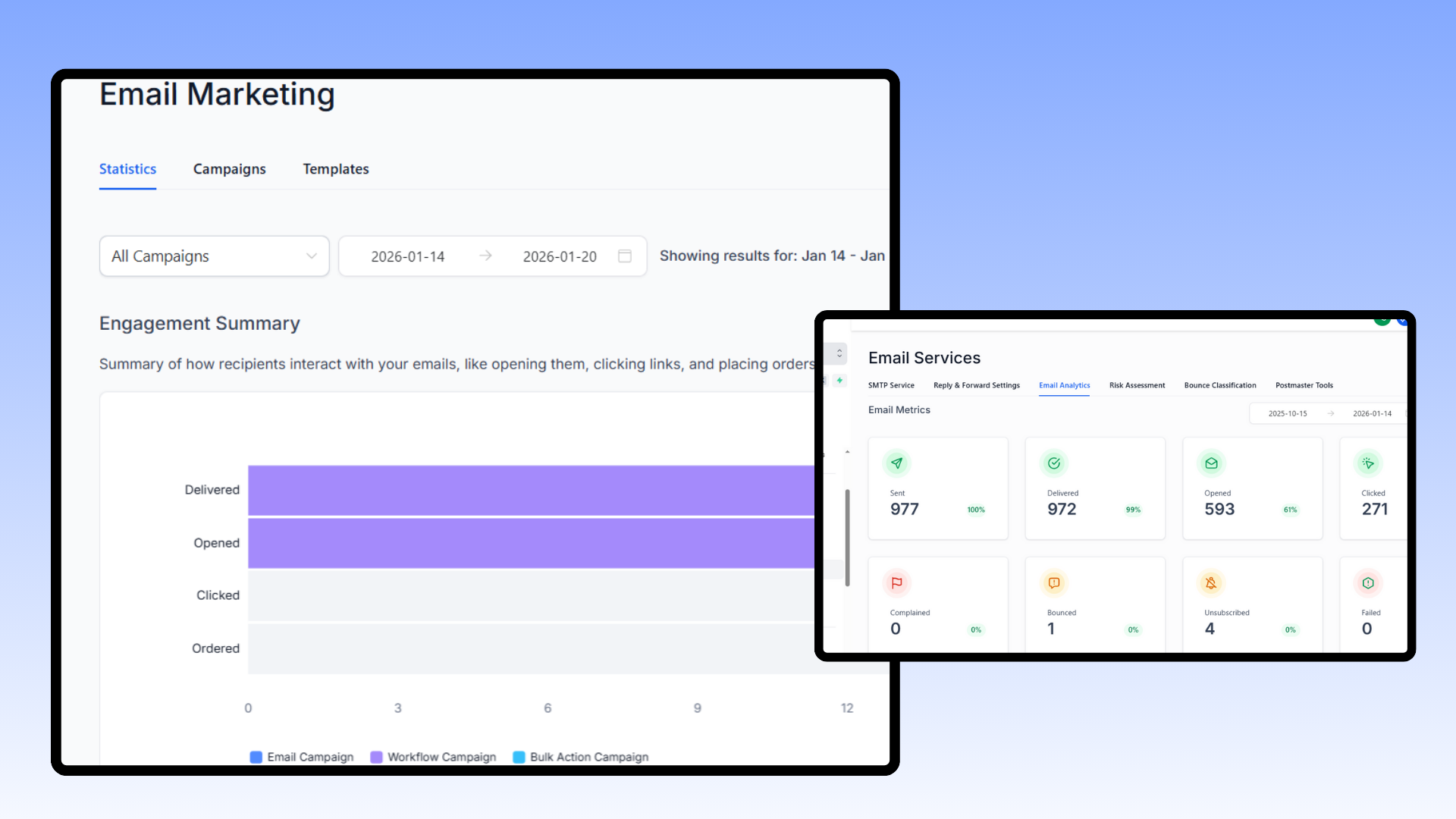
Track the impact of a retail engagement platform by looking at real numbers that demonstrate how customers feel, behave, and stay. For small businesses, establishing the correct benchmarks allows you to determine whether your work is having an effect and where you can improve.
Over time, these metrics help you identify what is fueling growth and what needs to change, so you can make savvy decisions and put your resources to good use. Here are some key metrics you should measure:
Customer lifetime value (CLV)
Repeat purchase rate
Net promoter score (NPS)
Average order value (AOV)
Engagement metrics (clicks, opens, responses)
Churn rate
Share of wallet
Customer lifetime value
Customer lifetime value (CLV) informs you of the amount of revenue a business can anticipate from a single customer account during the entire relationship. That number is important because it demonstrates the value of your average customer and can help you decide how much to invest in marketing, sales, and retention.
If you know your CLV, you don’t have to spend more to acquire new customers than you will ever make from them, a small business staple. CRM platforms capture every purchase, every visit, every interaction and provide you with the data you require to measure the impact on your business to calculate and increase CLV.
When you focus on boosting CLV by providing better support, personalizing offers and delighting customers, you unlock genuine growth. For instance, studies indicate engaged customers purchase 90% more frequently and spend 60% more per transaction. These customers are three times more valuable every year than those who aren’t engaged.
Small businesses that use the CRM data well can spot their best customers and reward loyalty, and extract more value from the same base.
Repeat purchase rate
Repeat purchase rate is one of the strongest indicators of both loyalty and health for a business. It lets you know how many of your sales are from repeat, rather than new customers. New customers cost five to twenty-five times more than existing ones.
Repeat purchases save money and create reliable income. CRM tools let you view trends in frequency of customer returns. Use this information to send helpful reminders, loyalty rewards, or targeted follow-ups that feel personal.
For example, if you notice specific buyers who shop monthly, you can create campaigns specifically for them. Omnichannel strategies do matter here. McKinsey discovered that customers who shop across channels spend four to ten percent more online and one to four percent more in-store.
High repurchase rates translate into more profit, more stable cash flow, and less worry about chasing new customers.
Engagement metrics
Engagement metrics record how your customers engage with your brand, such as clicking emails, responding to messages, or enrolling in loyalty programs. These figures are significant because they indicate whether folks care about what you’re peddling.
CRM analytics allow small businesses to understand which messages, channels, and offers are most effective. Engagement tracking helps you adjust your strategy. If a campaign flops, you’ll know fast and can change direction.
If an email generates lots of clicks, you can create more similar ones. Engagement ties into satisfaction—customers who feel engaged with a brand are three times more likely to recommend it. Solutions such as Net Promoter Score (NPS) simplify asking, “How likely are you to refer us?” on a zero to ten scale.
Highly engaged businesses with experience generate up to twenty-three percent more revenue than their competitors.
Conclusion
Retail engagement platforms are not just managing sales or tracking customers. They put owners in the loop, unite teams, and help shops grow with less stress. Armed with the right tools, small shops can look sharp and move fast, even beside big chains. AI and automation handles the tedious tasks, so people can spend time on people and strategy. Good CRM doesn’t just park info; it helps you discover what’s working and what’s not with scoring and predictive analytics. NationwideLeads supports these steps with actual assistance, not just technology jargon. Ready to experience what easy, intelligent tools can do for your store? Watch in action, start a free trial or contact us for a chat or explore your use cases and objectives.
Frequently Asked Questions
What is a retail engagement platform?
Retail engagement platform controls customer data, tailors experiences and enables sales across all channels.
How does a retail engagement platform benefit small businesses?
It increases customer loyalty, sales, and provides valuable insights into customer behavior, making it essential for small businesses leveraging a customer engagement platform to compete effectively against big retailers.
What key features should I look for in a retail engagement platform?
Look for features such as customer analytics, a customer engagement platform, multichannel support, marketing automation, loyalty programs, and seamless integration with your existing systems.
How does AI improve retail engagement platforms?
AI aids here by processing customer insights through a customer engagement platform, forecasting behavior, and personalizing marketing, which reduces the time and assists in getting the ideal text to the perfect customer.
Is a retail engagement platform only about software?
No, it demands a strategic change. Businesses need to align teams, processes, and goals to fully leverage their customer engagement platform’s potential.
How can I measure the impact of a retail engagement platform?
Measure key metrics such as customer retention, sales growth, and customer satisfaction to assess the effectiveness of your customer engagement platform in supporting your business objectives.
Are these platforms suitable for global businesses?
Indeed, most customer engagement platforms are multi-language, multi-currency, and multi-region, assisting enterprises in scaling and engaging globally.