
Email drip campaign for realtors: How to use ringless voicemail to close leads faster
An email drip campaign for realtors dispatches a predetermined series of emails to leads or clients. Each email is sent according to a predetermined schedule or reader actions. Coupled with ringless voicemail follow-ups based on actions like clicks, realtors can warmth and personalization for better conversion
Drip campaigns for realtors help them keep in touch, share property news, and assist buyers or sellers. These campaigns save time, generate leads, build loyalty, impress clients, and close deals.
Next, we review the key tips and steps for setting up a drip campaign effortlessly that works for driving conversion and building up loyalty for realtors.
Key Takeaways
With focused email drip campaigns, realtors can cultivate leads with trust and efficient workflows that provide value throughout the entire buying or selling experience.
Coupling ringless voicemail with your email drip campaign for realtors adds a warm, personal element and can really boost lead conversion!
By segmenting your audience and journey mapping, you can deliver personalized and relevant content that speaks to their unique needs and leads to maximum engagement.
By carefully selecting your triggers and timing, you ensure your emails arrive when prospects are most likely to be receptive, which helps you convert prospects into clients.
By including valuable and educational content like market insights, buyer and seller tips, and past client follow-ups, you build credibility and keep your brand top of mind.
Measuring campaign performance with key metrics and optimization keeps your drip campaigns effective and aligned with your business goals.
Table of Contents
Why an email drip campaign for realtors is essential
How to build your email drip campaign
What content to include in realtor email campaigns?
Add ringless voicemail to warm up and close email leads
What is an email drip campaign for realtors?
Why should realtors use email drip campaigns?
What kind of content works best in realtor email campaigns?
How often should realtors send emails in a drip campaign?
Can ringless voicemail improve email campaign results?
How can realtors measure the success of email drip campaigns?
What common mistakes should realtors avoid in drip campaigns?
Why an email drip campaign for realtors is essential

For realtors, there is no 2 ways about it. Building trust among leads is a slow burn. Real estate drip campaigns nurture leads with scheduled messages, putting your name in front of buyers or sellers even if they’re not ready to take action just yet. In an overcrowded real estate market, this consistent contact can help distinguish you from the competition.
For example, when a prospect shows interest in a property for the first time, a drip email campaign can send a welcome message and then follow up with buying tips, local market information, or moving checklists. It’s these small touches that add up, leading leads to feel valued and, more importantly, think of you when they’re ready to act.
Automating your emails saves time and supercharges your weekly output. Rather than write it again and again, you set up a sequence once and let it run. It allows you to spend time on things only you can do – like view houses or meet new prospects.
This means that every lead gets the same quality of attention; no one falls between the cracks. Automation gets you to respond fast, which is critical as attention spans are short – about 9 seconds to skim an email. If you’re not fast, some other agent is going to steal their business.
Targeted messaging is another big reason email drip campaigns work for real estate. Not everyone on your list is at the same point. Some are just looking, some are good to go, and some might be former clients who recommend you to a buddy.
Segmenting your list lets you get the right message to the right groups at the right time. A first-time buyer requires different information than a seasoned investor. Personalization counts. Seventy-six percent of people say they get irritated when they receive offers that don’t match their needs.
For instance, mailing staging tips to sellers or mortgage rate trends to buyers can help make your emails more valuable and interesting. Credibility is earned by providing actual value. Each email is an opportunity to demonstrate your expertise and care about your clients’ success.
Whenever you email market updates, new listings, or moving day checklists, you assist your audience and establish credibility. A compelling, direct call-to-action in every message pushes leads to contact you, schedule a call, or tour a home.
Over time, these small steps can transform cold leads into raving fans. Real estate email marketing has the highest ROI of all digital channels, so every carefully orchestrated drip campaign can represent more closed deals and repeat business.
How to build your email drip campaign
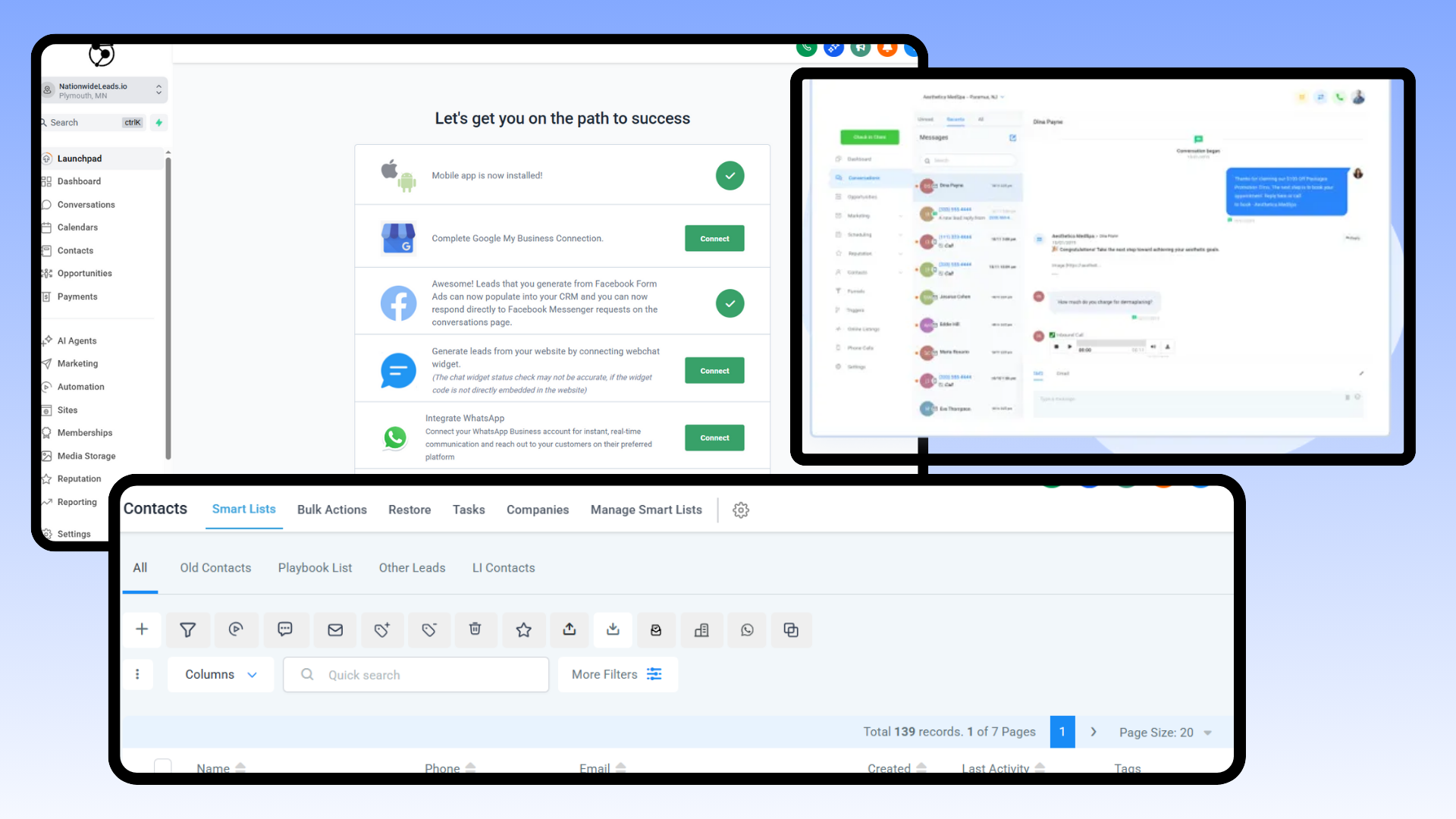
A successful drip campaign for realtors begins with a clear objective. When you know what you want—whether it’s to book more showings, educate first-time buyers, or re-engage past clients—every element of your campaign can contribute toward that goal.
Design your schedule with 4 to 11 emails, each having a specific intent: introduction, informing, offering, reminding, and call to action. Map your automation with tools that schedule and send emails at the right time, increasing deliverability and reducing manual work.
1. Segment your audience
Segment your contacts by age, budget range, previous interactions, or buying cycle. This allows you to customize content, such as sending listings only to buyers searching for new construction or market information updates to investors.
Examine how various segments reacted to previous campaigns, trim your lists, and try different groups with custom copy. If a segment opens more or clicks more, invest there.
2. Map the journey
Draw out the steps your clients take, from early research to closing. Place each email according to big decision points: after a sign-up, a property view, or a request for more info.
For buyers, use the first email to thank them for signing up, follow up with a guide to local neighborhoods, then send new listings. For sellers, start with a home value assessment, then provide tips for staging.
Each message should push the reader gently toward the next step, such as scheduling a call or viewing a property. Some journeys require more touchpoints, so you may develop up to 11 emails for clients with longer buying cycles.
Add educational content, such as how to get a mortgage and what to expect at closing, to keep people interested and primed to take action.
3. Choose your trigger
Launch your campaign when someone fills out a form, clicks a link, or visits a page. For instance, a new sign-up can trigger a welcome email, whereas viewing a property listing can initiate a homes of interest drip campaign.
Track behavior—open a lot of your emails and shift them into a higher-engagement group. Use your CRM or email tool’s automation to keep responses instant and leads warm until they’re ready.
4. Set your timing
Choose a delivery schedule that matches your reader’s tempo. Once a week emails work for most real estate prospects, but if your leads are hot, try sending them 3 days apart.
Schedule most sends for Tuesday, Wednesday, or Thursday. Data proves these days get the highest open rates. Employ analytics to fine-tune frequency and timing. Monitor for fatigue or high engagement, and customize future sends accordingly.
5. Write the emails
Begin with a concise and alluring subject line – for example, “New homes just listed in your neighborhood.” In the body, hit the need each email answers, a tip it offers, and an incentive.
Leverage the recipient’s first name and what they care about — their neighborhood or price range. Always add a clear call to action: “See homes now,” “Book a showing,” or “Get your free market report.
Don’t let two emails feel similar to keep people engaged.
💡 Pro Tip: A CRM platform with DIY and DFY service enables you to segment your contacts, build drip email campaigns from templates, add trigger actions like ringless voicemail and leverage expert help when you need it, all in one place cost-effectively
What content to include in realtor email campaigns?

Realtor email campaigns are not just sales pitches. They bring real value to different clients with know-how, trust, and relevance. By segmenting your list by buyer type, such as first-time buyers or sellers, you can send more targeted, meaningful content.
Include one clear message that is easy to scan with bullets or subheads, and always answer a real question. Personal touches, like subject lines and useful information, increase open rates. Keep each email short, ideally 150 to 250 words, and automate welcome sequences to start relationships on the right foot.
Buyer content
Provide actionable advice for the buying journey. Walk through each phase, such as getting pre-approved, touring homes, or putting in an offer. This enables first-timers and maintains transparency.
Feature listings. Highlight features like energy efficiency, smart tech or location perks with visuals and short write-ups. This highlights what is special about each home.
Discuss financing. Explain mortgage types, rates and deposit requirements. Provide market insights, such as median price per square feet and regional demand changes, to assist buyers in making intelligent decisions.
Include testimonials from former buyers. Real stories build trust and show you deliver. These can be easy thank-you quotes about how easy you made it or how you carried them through closing.
Seller content
Give them actionable strategies to prep a home for sale. Think staging, decluttering, small repairs, and curb appeal. Describe how pricing right from the get-go prevents long listings.
Feed in real-world examples of homes you’ve helped sell quickly with these strategies. Add before-and-after photos when you can. This provides sellers with a roadmap and trust.
Post some recent success stories demonstrating how you’ve helped others sell over asking or in record time. This establishes trust and drives action.
Clean and declutter each room
Fix small repairs and touch up paint
Stage with neutral décor and good lighting
Improve curb appeal with basic landscaping
Price competitively using local CMA data
Include an easy selling checklist. This lets sellers track what is ahead, from photography to open houses to closing.
Past client content
Touch base with former clients with a short, personal email. Inquire how their home is working out for them or if they require assistance with anything.
Provide market updates that could impact their property value. This indicates you’re forward thinking and want them in the loop.
Promote referrals with subtle nudges of your work. Highlight your services and inquire if they know someone who may require assistance.
Provide useful information such as home maintenance checklists, seasonal tips, or local events. This keeps you on their radar without being pushy.
Add ringless voicemail to warm up and close email leads
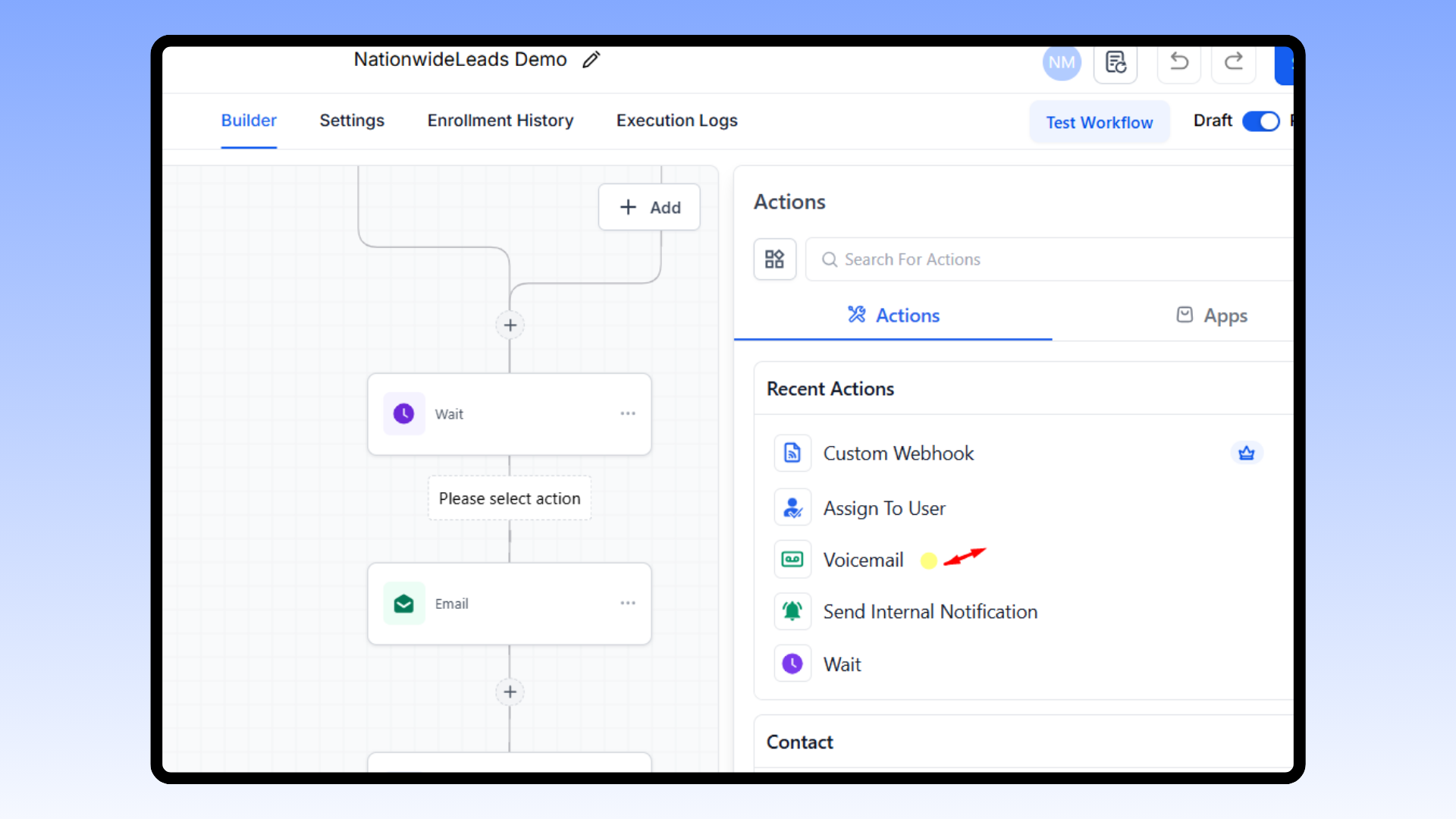
So, add ringless voicemail to warm up and close your email leads. Since people screen their calls more than ever, it’s really hard to reach them with old-fashioned phone calls. Voicemail drops are able to circumvent this barrier by allowing you to deliver personalized, pre-recorded messages directly to their voicemail box without their phone ever ringing.
This works great for realtors who want to differentiate themselves, add a personal touch, and reinforce the bond initiated by their email blasts.
Benefits of integrating ringless voicemail:
Saves time and effort by broadcasting to multiple recipients at once.
Injects a human touch to auto-pilot messages, so emails don’t sound so cold.
Affordable way to reach leads who will not answer calls.
Reinforces key points from your email drip campaign.
Increases overall engagement rates and response likelihood.
The strategy
Begin by diagramming where ringless voicemail can be integrated into your lead warming procedure. For instance, after the second or third drip, drop a voicemail reminding prospects that there has been a property update or inviting them to an open house.
You focus on smart campaign moments, like when a lead downloads a guide, opens a bunch of emails, or asks a question. Write short, clear, friendly scripts. State the purpose of your message, reference your latest email, and include a CTA, such as “See your inbox for information” or “Respond to my email to book a tour.
Use natural language and sound like yourself, not a bot. Measure how many leads respond or take action after the voicemail. If you see more callbacks or replies after particular messages, adapt your pitch to build off what works.
The technology
Select a ringless voicemail service that is part of your CRM so you can quickly send messages to segmented lists with no additional integration. Pick a software like NationwideLeads that facilitates compliance with local laws. Fines for spam are high, so check your local legislation.
Leverage built-in analytics to monitor delivery and response rates. Experiment with message types — send a short reminder, a casual check-in, and an announcement of a special offer. Adjust your scripts and templates according to what performs well.
The timing
Timing can make or break your voicemail campaign. Use ringless voicemails at those times your emails are most likely to be seen, such as mid-morning and after work. Give enough time between messages so you don’t bombard recipients.
Try to be organic about the sequence, such as leaving a voicemail a day or two after a key email. Make sure they’re not being woken up or interrupted during their day. Always take the recipient’s time zone into account.
Don’t overuse urgency—stick to when there actually is a deadline, such as a property viewing slot or a limited-time offer. Try different intervals and optimize by open and response rate.
Measuring what matters
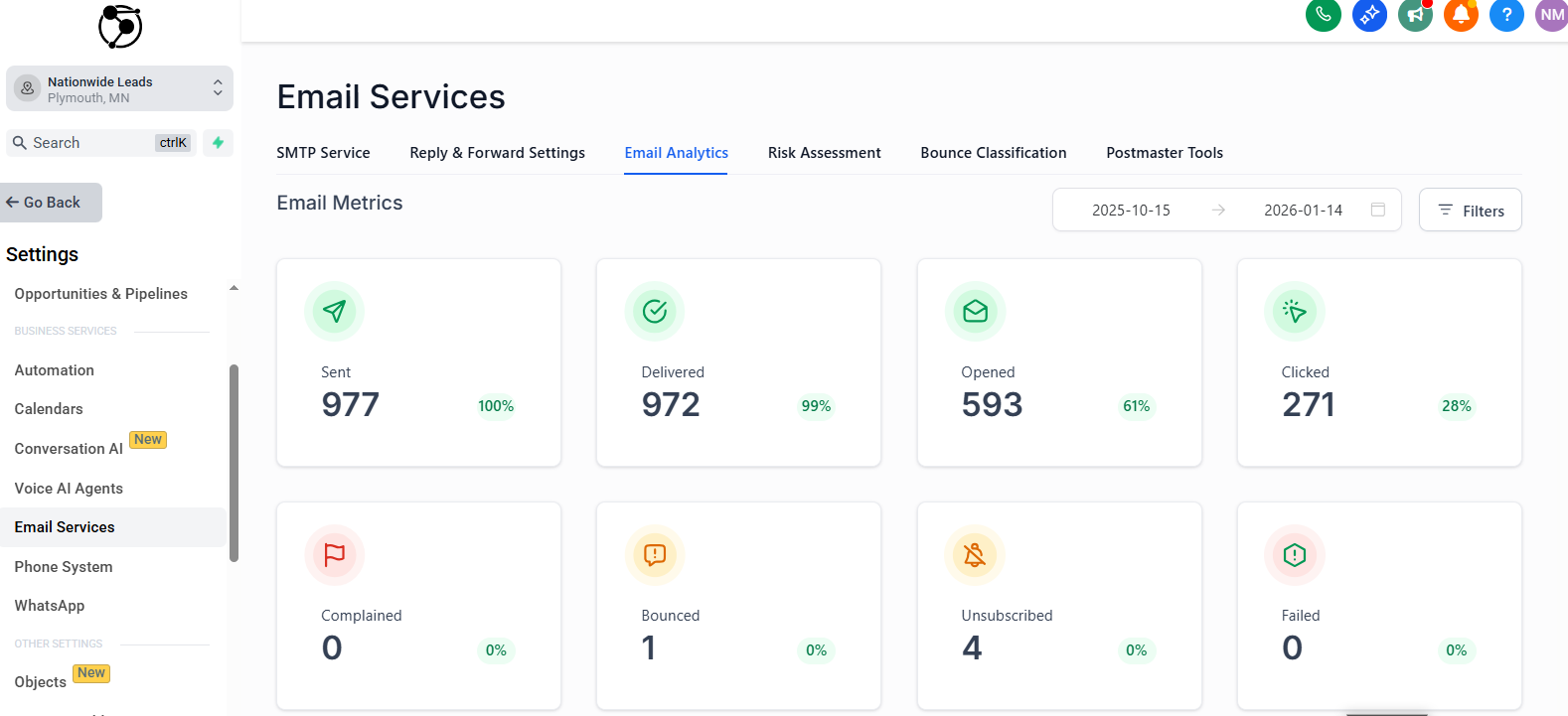
For realtors executing email drip campaigns, measuring what matters isn’t just useful. It’s the foundation of actual progress and actual outcomes. By using key performance indicators (KPIs), you are able to see what works and where you need to tweak.
Without knowing what matters, it’s simple to waste time and money on messages that never get to or interest your audience. The table below outlines the main metrics and what they mean for your campaigns:
Key metrics
Deliverability rates should be higher than 95%. This means your emails really get delivered to inboxes. Look for soft bounces (temporary) and hard bounces (permanent).
If you notice a jump in soft bounces, investigate server logs or sender reputation. For hard bounces, scrub your email list and immediately delete invalid addresses.
A 35 to 40 percent open rate indicates strong engagement for real estate. Brief, customized subject lines, preferably 35 to 45 characters long, can increase this rate.
If your unsubscribe rate creeps above 0.3 percent, check your content for relevance and frequency. High unsubscribe rates can signal spam complaints or unmet expectations.
Track replies and forwards to judge interest. More engagement means your content is hitting the mark. Always check ROI to see if your campaign costs match your returns.
Even small changes in design or timing can shift your ROI over time.
A/B testing
Conduct A/B tests frequently. Test different subject lines, perhaps one “formal” and one friendly. A/B test two versions of your core email copy or CTAs.
This allows you to observe what your audience enjoys instead of having to speculate. See what version gets more opens or clicks. If the casual subject line wins, take that knowledge with you.
Record results from each test to inform future campaigns. Over time, you will identify trends specific to your audience.
Modify as you learn. Change frequency, tone, and layout based on what the numbers indicate. Every test, even minor optimizations, makes the next campaign better.
Optimization
Refresh your mailing lists monthly. Remove hard bounces and never openers. This maintains deliverability and sender reputation.
54% of emails are opened on mobile, so design for phones first. Use clean fonts, brief copy blocks, and large buttons that are simple to tap.
Build a checklist: test every email on different devices, check links, and make sure images load fast. Check your campaign data often and seek out drops or spikes in critical metrics.
Catch problems as early as you can and fix them. Regular review and intelligent adjustments keep your campaigns on point, timely and economical.
Common mistakes to avoid

Email drip campaigns can help realtors stay top of mind and lead buyers and sellers through the process. Some easy-to-avoid pitfalls stand in the way of results. These blunders can drive folks to disregard your notes or worse, unsubscribe — particularly for small businesses that depend on consistent, significant contact with each potential customer.
If you're unsure of the best strategy to implement, consider done for you (DFY) services within your CRM especially at the start to provide a good foundation and solid strategy to build up productively.
A DFY service within your CRM is generally very cost-effective with options not only to mix DIY and DFY, but they also facilitate quicker ramp up into campaigns at any point in your growth journey. For a lot of realtors this makes a lot of sense, while they focus on what they are good at and servicing their clients

Sending cookie-cutter emails without any personalization is among the worst mistakes. When all of your contacts receive the same message, it sounds like a machine talking and your audience will switch you off. They want to feel remembered and appreciated, not like a number in a log.
For instance, a first-time home buyer and an investor in real estate could not be more different. Using the same pitch or property update for both will likely miss the mark. Adding basic personalization, addressing by name, location or tailoring content to search history can make a huge difference in trust and engagement.
Flooding your list with too many e-mails is yet another trap. Leads get annoyed if you send them daily updates or more than a few emails a week and they unsubscribe. It’s tempting to believe that more touch points equal more impact, but relevance trumps frequency every time.
A reasonably paced campaign, like one email a week or biweekly, lets you keep in touch without being a pain. Don’t send emails on holidays or local busy times. Engagement dips around these moments and your texts might get overlooked or lost in the shuffle. Timing is as important as content.
Overlooking emails prior to sending is a technical faux pas that damages your reputation. Cracked links, bad formatting, or illegible text not only make you appear unprofessional but they make people question your trustworthiness. Be sure to always test your emails on desktop and mobile.
A lot of leads read emails on their phones, so if your message is difficult to read or slow to load, you could miss out on precious leads. Be consistent with your branding, including logos and colors, in every email so people recognize it is you right away.
Neglecting list maintenance and segmentation can also be detrimental. Emailing folks who’ve unsubscribed or unengaged contacts can damage your sender reputation and reduce deliverability. Make it simple for users to unsubscribe and purge your list frequently.
Segmenting your list by client type, location, or stage in the buying process allows you to send more relevant content. This keeps engagement high and demonstrates that you value your leads’ time and interests. This is one area where using DFY expertise with experience can help craft the right strategy
Lastly, beware of making each email overly salesy or cramming too many calls-to-action. Leads get sick of pitches and stop opening your emails. Each message should offer value: share tips, answer common questions, or give updates on the market.
Limit yourself to one crystal-clear call-to-action per email, such as booking a call or downloading a guide, so your readers know precisely what to do next.
Conclusion
To run a realtors email drip campaign, keep it simple with what works. Send transparent updates, automate intelligent next steps, and craft compelling subject lines. Make it effortless for fresh leads to track. Review your numbers frequently. Give tips on the local market or new listings. Face and voice, people – build trust! Stir in ringless voicemail for a silky finish. Experiment with a quick video or a sweepstakes. Be open to learning and don't be afraid to leverage DFY services cost-effectively for productive long term growth. Try a CRM for realtors free to start your sending out your good old-fashioned free advice effortlessly or request a consultation to discuss how to launch your next campaign for grow and success.
Frequently Asked Questions
What is an email drip campaign for realtors?
A real estate drip campaign consists of a series of automated, timed emails designed to nurture leads, share valuable content, and build trust with potential buyers over time.
Why should realtors use email drip campaigns?
These drip email campaigns automate follow-up, save you time, and deliver targeted content to help turn real estate leads into clients.
What kind of content works best in realtor email campaigns?
Great content for a real estate drip campaign would include home-buying tips, market updates, new listings, and client testimonials. Personalizing the email content for each lead increases the likelihood of engagement and response.
How often should realtors send emails in a drip campaign?
It’s optimal to send drip emails every 5 to 7 days in your real estate drip campaign. This cadence keeps leads engaged while avoiding inundation, allowing for timely messages based on lead feedback.
Can ringless voicemail improve email campaign results?
Indeed, ringless voicemail can supplement a real estate drip campaign. It adds a personal touch, increases engagement, and converts real estate leads closer to action.
How can realtors measure the success of email drip campaigns?
Important stats like open, click, response, and conversion rates in a real estate drip campaign help realtors optimize their marketing efforts.
What common mistakes should realtors avoid in drip campaigns?
Don’t spam or send tired messages; instead, deliver value through personalized emails in your real estate drip campaign. Trying to do everything on your own especially if you are busy. Consider using affordable DFY expert help within your CRM to drive productivity