
How to automate lead generation in real estate with CRM tools and dfy services
Automate lead generation real estate refers to utilizing systems that identify and manage potential homebuyers with minimal effort. A lot of agents have CRM platforms, website forms, and auto-reply emails that make things go on their own.
These systems help in outreach and targeting the proper leads. Some even offer ability to capture and respond to reviews automatically. However, effective campaigns even those that are automated, require a good planning, human touch and regular optimization and keeping up with new trends
How do you achieve all that as a busy realtor or real estate professional? We look simple but effective ways to automate lead generation in real estate along with the benefits of CRM software for realtors and dfy service in one spot
Key Takeaways
Automating lead generation in real estate streamlines processes, saves time, and allows agents to focus on building client relationships and closing deals efficiently.
Permanent and scalable automation keeps you in front of prospects on a frequent basis and allows your marketing to scale without scaling resources.
Leveraging done for you help within CRM systems helps you keep up cost-effectively as you mix DIY and expert marketing and automation help while still maintain control of your data
DFY help can use predictive analytics, hyper-personalization, and AI to helps you engage leads optimize with experience and stay ahead of the competition in any market.
Keeping that balance between automation and personal touch is key to achieving trust, feedback, and long-term client satisfaction.
You need to regularly check, update, and prune your automation and CRM data often to prevent these common lead generation issues. See how to use DIY and DFY in one spot to achieve that
Table of Contents
Why automate lead generation real estate?
Beyond the basics with DFY Services
The human element in automation
What is automated lead generation in real estate?
Why should realtors automate lead generation?
What tools are essential for automating real estate lead generation?
Can automation replace human interaction in real estate?
What are common pitfalls when automating lead generation?
How does automation improve lead quality?
Is automated lead generation cost-effective for small real estate businesses?
Why automate lead generation real estate?

Here’s why we automate real estate lead generation: it’s how real estate agents and small businesses work smarter, get ahead, and stay ahead while managing growth with fewer resources. With relentless pressure to convert and build relationships, automation tools help you maximize every opportunity and minimize both the drudge work and costs.
Time
Automating your lead capture, initial outreach, and follow-up reminders frees up hours every week. Rather than bouncing between spreadsheets and inboxes, agents can use scheduling tools to book showings, consultations, and follow-ups without the back-and-forth.
Automated email campaigns keep leads warm because they send property alerts, market updates, and reminders at the right time, even when agents are busy. This allows agents to spend more time on high-value activities such as sealing deals and earning client trust rather than drowning in manual tracking and administrative tasks.
Consistency
Automated messages ensure that every prospect hears from you always. Whether they stop by your site at midnight or complete a form on social, a prompt response goes out, keeping you front of mind.
Campaigns run around the clock, never missing a beat, with no holidays or weekends, so potential clients always get property alerts and updates immediately. Ongoing branding and messaging establish trust, which makes your business appear professional and trustworthy.
This consistent drip assists agents to shine in saturated markets, where many might fumble or respond too late.
Scalability
Automation allows agents to scale their efforts without adding staff. With lead generation systems, agents can now target new neighborhoods, cities, or even countries with the click of a button.
Campaigns can be adjusted on the go to target alternative buyers or sellers as markets change. With a CRM, having hundreds or thousands of contacts is no longer a headache.
In other words, agents can scale their pipeline and their capacity to accept new clients without sacrificing quality or burning out. Traditional marketing would require more time and money to scale up. Automation keeps costs low.
Data
Automated systems harvest rich data from every lead, where they originated, what they clicked, and how they responded, giving agents a clear view of what works.
CRM software keeps all client info organized and secure and allows you to easily track conversations and preferences. Engagement metrics reveal which emails and ads receive the most attention, allowing agents to tweak messaging for improved outcomes.
Analytics tools transform data into insights, helping you make smarter decisions about where to focus your resources and optimize campaigns over time.
Your automation blueprint

Automating lead generation in real estate goes beyond simply getting your tools in place. It’s about crafting an effective strategy for success that frees up your time, operates at scale, and generates real estate leads. You need is a real estate lead generation winning strategy that ties together tech, people, and strategy so you can spend your time selling, not lead chasing.
1. The foundation
A good real estate CRM is at the center of automation. It’s your central hub for capturing, organizing, and tracking leads. Small businesses need to select a CRM that integrates well with their existing software and can scale with their development.
If you’re just beginning, focus on the your immediate goals — seek something simplified but powerful with quality support and obvious upgrade paths. You have to know precisely who it is that you want to reach. Identify your audience on real criteria such as location, property type or price.
They either blow right past this or at a minimum never segment their audience and campaigns are less successful. Set quantitative goals as well like a target of 100 leads a month or a 10% conversion. These goals keep your work focused.
Ensure your tech features — CRM, email, social, website — are all there. Scalability is important. Select tools that will not bog down or cost more every corner when you expand from a few leads to hundreds or thousands.
2. The capture
Lead capture begins with forms on your site. Make them short: name, email, maybe phone, for better completion rates. AI chat employees can answer questions immediately and capture visitor information anytime new.
Social media ads bring traffic to these forms. Select channels that suit your audience. For most, beginning with LinkedIn, email, and one other social network is sufficient. Deploy powerful offers, such as free property reports or home valuation tools, to coax visitors into exchanging their information.
By mixing and matching these approaches including using Google business profile, you’ll ensure you’re not missing out on leads who use different platforms. Automation handles this swiftly and reaches more people than you could ever do yourself.
3. The connection
Automated follow-up emails keep you top of mind right after a lead comes in. SMS is intrusive and perfect for time-sensitive facts. Ringless voicemail drops allow you to leave people a message without actually interrupting them, which is less intrusive and pushy.
Use at minimum 3 channels in your outreach. For example, run and email campaign, ringless voicemail to warm up leads faster and landing pages to convert. Automation makes it easy to do all these and keep messaging consistent across email, SMS, voice drop and social.
Personalize by reaching out with a call or handwritten note when a lead signals high interest. This mix of tech and human interaction frequently nudges leads toward a purchase.
4. The nurture
Configure drip email campaigns that send on a timetable. These should update depending on what leads do. If someone clicks a home tour, send more info about that and similar listings.
Make your messages personal with information from your CRM. Break leads up by interest or where they are in the buying process. Routine check-ins can be easy with automated nudges to check listings or schedule a call.
Targeted messaging does. For instance, delivering investment tips to investor leads or neighborhood guides to families. Automation can keep dozens or hundreds of leads warm at once, which manual follow-ups simply can’t touch.
5. The analysis
Check in with important metrics weekly or monthly. Check open, click, and conversion rates. Leverage your CRM’s own analytics to find out which channels generate the highest quality leads.
Switch your process when the data indicates vulnerability. If LinkedIn generates more buyers than Facebook, shift your spend. Trace ROI in your currency to ensure each channel yields.
With automation, you’re able to identify which messages hit and which messages miss. Take advantage of this data to improve results over time and prevent squandering funds.
The central hub for realtors
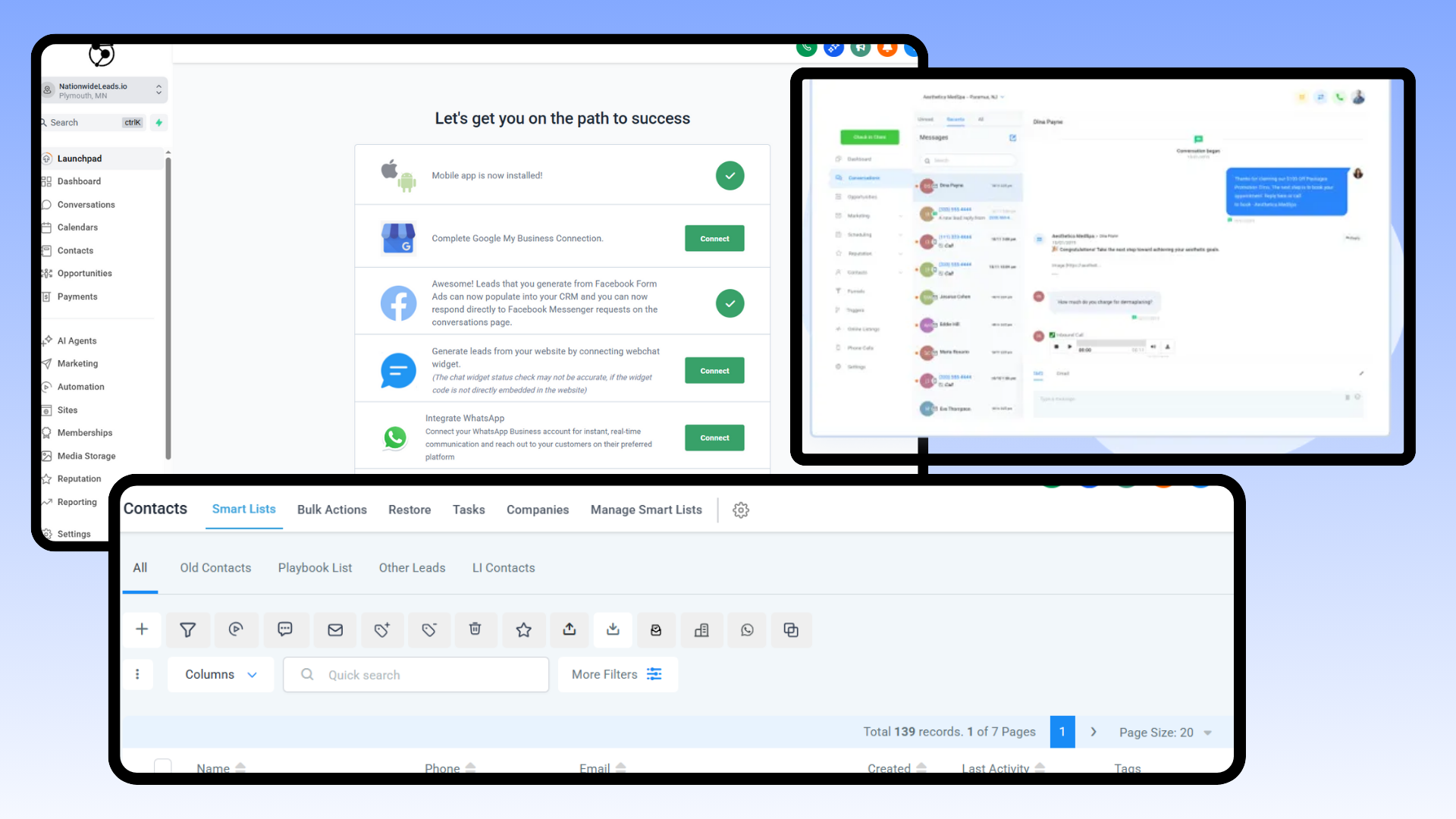
The central hub for realtors allows realtors to control all communications, contacts, and transactions in one location. With it all streamlined, teams can concentrate on cultivating connections, sealing the deal, and providing clients a seamless experience.
The hub frequently combines tools that assist reduce expenses, accelerate regular tasks, and display real-time information that enables smarter decisions.
Unified data
All your real estate leads, contacts, and clients live in one place. No more digging through emails, excel sheets, or phone notes. A good CRM system remembers everything, including names, emails, properties, past interactions, and call notes, in one record. This is essential for effective real estate lead generation.
Even team members across the world can view updates, contribute data, or comment in real time. With verifiable data, you can believe what you view. If a client’s phone number or address changes, anyone on your team can change it once and everyone else gets the new information.
This prevents bewilderment and helps maintain your service razor-sharp. Shared information simplifies teamwork. If another team member has spoken with a lead, you can see what was said and pick up the conversation without missing a beat.
That builds trust with clients who don’t want to repeat their story. You can leverage this information for savvy advertising. If you know which clients are intent buyers in a given area, you can send them targeted listings, emails, or SMS campaigns.
It’s a smarter marketing channel and makes you stand out in the competitive real estate market.
Workflow automation
Everyday tasks, such as scheduling meetings and reminders, consume time. Automation can take care of those. For instance, if a new lead completes a web form, the CRM can dispatch a welcome email, allocate the lead to an agent, and book a callback all within seconds.
Triggers allow you to react quickly. If a client opens a property email or clicks a link, that can trigger a follow-up message or notify an agent to call. This keeps clients engaged and prevents leads from going cold.
With automated workflows, there’s less slowdown. Instead of waiting for someone to remember to push a deal forward, the system can nudge the appropriate person at the right moment. Built-in reminders ensure you and your team never miss a deadline.
Whether it is a contract date or a client’s birthday, automated nudges keep everyone in the loop.
Performance tracking
Succeed in real estate by knowing what works. The hub tracks key metrics, such as response times, deal stages, and conversion rates, so you can see what’s working. Analytics tools help identify trends.
They show which campaigns get the most clicks, which listings convert, and which agents close the most sales. If it’s not working, you can switch it quick. These data-driven decisions allow you to pivot your marketing or sales strategy using hard numbers, not guesswork.
Intelligence turns raw data into insight. You can identify strengths, address vulnerabilities, and communicate advancements to your team or stakeholders.
Beyond the basics with DFY Services

Automating lead-gen in real estate takes you way past grabbing e-mails or blasting out cookie-cutter ads. Advanced automation help agents and brokers keep pace with client expectations, sustain compliance, and develop long-term relationships. But how can you manage all these automation and keep while doing the day to day as the real estate professional?
This is where benefits of crm software for realtors and dfy service in one spot comes into play. The flexibility of mixing DIY and DFY in one place means you don't need to lose control of your data and process while getting expert help.
It also means cost-effective growth with a balance of what you can take on to save cost and what you farm out to get help. Having dfy services within the platform means long term support and easier transition both in and out of the project at any time in your growth journey.
Scaling doesn’t mean losing that personal touch. It means instead that professionals can serve more clients better without burning out. Here are some key benefits beyond the basics
Predictive Scoring
Predictive analytics allows real estate agents to identify emerging patterns in browsing and buying behavior, helping to pinpoint potential buyers or sellers. For instance, by monitoring a lead’s property searches, page views, and engagement frequency, you can determine the right moment to initiate contact, thus saving both you and your leads valuable time.
Utilizing real estate lead expertise within your CRM means they can work with AI capabilities to sort leads by score or likelihood to convert, ensuring you focus on genuine opportunities while passing on cold leads. AI-driven insights can reveal which marketing initiatives performed best last quarter and highlight follow-ups that led to actual meetings.
That way, you don’t guesstimate — they construct your next move on real data. For example, if your system anticipates that certain types of listings receive more clicks from a particular age group or geographic location, they can adjust your ad spend or alter messaging accordingly.
Regularly reviewing these results keeps your marketing campaigns innovative, advancing and compliant with privacy regulations, ensuring you remain a market leader in the real estate business.
Hyper-personalization
Customizing marketing messages is a key strategy in real estate lead generation, making customers feel special and fostering loyalty that keeps your brand front-of-mind. Instead of sending out generic emails, focus on personalized listings that fit a buyer’s favorite neighborhoods or home styles. But this takes time and planning
By leveraging DFY services, they can be more effective by focusing more time to divide your audience by budget, location, or property type, and create targeted campaigns that address the specific needs of each segment, enhancing your effectiveness as a real estate agent.
Additionally, personalized follow-ups, such as personalized ringless voicemail drop after showings or emails seeking feedback, transform cold leads into warm ones. Utilizing real estate lead generation tools regularly allows them to leverage client interaction data to arrange these touchpoints when clients are most engaged, like after they’ve explored a virtual tour.
Custom communication builds relationships that endure through the long cycles of the real estate market, enabling them to nurture leads for months or even years. By implementing effective lead generation strategies, they can ensure that your clients feel valued and supported throughout their journey in finding their dream home.
AI Employee
Sprinkle AI across your site and visitors receive instant assistance, regardless of the time of day. the benefits of CRM software for realtors and done for you services in one spot is that they can help manage this using you data and processes. This is crucial for catching leads who are checking out listings late at night or in other time you many be busy.
AI-powered bots can answer simple questions, qualify leads, and even book meetings, all without you having to do a thing. Chatbots or AI employees can answer document requests, send reminders, and automate follow-ups, smoothing the transaction.
With 24/7 support, clients always feel heard and you can focus on high-value conversations, such as answering the phone for those key calls when it really counts. With DFY service teams performing regular reviews of your chatbot workflows, they ensure everything is current and compliant with both client expectations and the law.
The human element in automation

Automated lead generation in real estate allows small business owners and agents to deliver personalized service at scale. It provides buyers and sellers timely updates and insights, yet leaves space for those authentic, one-on-one interactions. The human touch is needed now more than ever, even when automating.
Homeowners and buyers anticipate quick responses, appropriate tone, and communications that come across as personalized. Automation should assist with that, not subtract it.
Personal touchpoints
They’re personalized messages that make a difference. When someone sends you a message that uses your name, talks about your recent house hunt, or speaks to your interests, it’s a lot less ‘cold call’ and a lot more ‘chat.’
Automated check-ins, a friendly “How’s your property search going?” at a steady interval, keep relationships warm. Utilizing a client’s history, perhaps they prefer homes with large kitchens or desire proximity to schools, allows you to customize your communication and demonstrate that you’re attentive.
Each automated response should still reflect your brand’s voice, be it warm, knowledgeable, or helpful. This regular voice establishes trust.
Strategic intervention
Not all of the sales process should be automated. Automation can flag leads who are opening every email or clicking listings a dozen times so you know to intervene right when they’re ready. You can still intervene with automation but its identifying these moments and intervening from the software that counts.
The optimal combination of automated reminders and personal calls or texts at the right moment can increase your conversion rate by as much as fifty percent. The future of real estate is about finding this balance. For example, some realtor use review capture automation with their CRM software but choose to write a response to the review personally
Feedback loops
Establishing methods for gathering feedback assists you in learning whether your automated communications are effective. Perhaps you add a one-click poll at the end of an email or a short query post-viewing.
This feedback informs you whether customers feel listened to, whether the timing is appropriate, or whether the tone is suitable. Take these insights and use them to adjust your automation—maybe shorter messages, more check-ins, or a different time of day.
Keep testing pleasure so your message never tastes old. As client data privacy laws become more stringent, manage data cautiously and keep up with what is necessary.
Common pitfalls to avoid

While automating lead gen in real estate saves time and helps small businesses grow, there are dangers if you don’t take care. Awareness of these common pitfalls can assist you in constructing a more effective and enduring system.
To blindly trust automation is a recipe for weak personal connections. It’s still a trust business, real estate. When all of your touchpoints are automated, prospects can seem like nothing more than a number. Quick automated emails and texts are nice, but they shouldn’t replace real conversations.
For instance, once you send an initial automated response, attempt to follow up with a call or personal email that targets the lead’s specific needs. If your system dispatches nothing but boilerplate messages, leads will switch off or distance themselves from your brand.
Spammy or intrusive-looking automated messages can hurt you more than help you. It’s simple to build a drip campaign, but if messages aren’t relevant or come too often, folks will unsubscribe or mark your emails as spam. Avoid hard sells and instead use simple language, useful tips or local market news.
Be sure that each text provides some value, such as sharing new listings or addressing frequently asked questions you are aware of from buyers and sellers. This causes your outreach to come across as service rather than sales.
Leverage DFY services to help bridge that gap. They can either provide you the time to have to personal interactions with your leads or craft clever and more personalized automation in responses using names and other things that customizes the messages.
CRM data has to remain correct and current. Old or incorrect data can lead you to overlook legitimate opportunities or reach the wrong people. For example, if you’re continually contacting a person who has already purchased a home, they’ll be irritated and your reputation will take a hit.
CHECK YOUR LEAD LISTS FREQUENTLY. Add new leads immediately, and don’t be too quick to classify leads as “dead-end.” Many buyers and sellers wait months or years before making a move. A regular pass through your database keeps anyone from falling through the cracks.
You must be on top of your automation or get someone to help you which is a benefits of CRM software for realtors and dfy service in one spot. Depending on one tactic, such as only using Facebook ads or only emailing, can cause you to stall if that avenue dries up. Use a mix of channels: social media, paid ads, SEO, and email.
Monitor what produces the most leads, and don’t let your routine become stale. Harsh, but reality: A compelling, unified online presence across platforms. If your brand appears different in each location, it confuses clients.
Always follow up with new leads within 24 hours. Quick responses keep you top of mind.
Conclusion
Configure a CRM that suits your flow. Automate lead generation real estate. Let your tools take the grunt work, but never leave the loop when it comes to real talk and clever follow-up. Get DFY services if necessary especially within your CRM platform to save you time and inject expertise that will help your campaigns keep up with growth and the trends. Watch for gaps in your workflows. Missed leads slip through cracks, not from bad luck, but from missed steps. Know your tools, know your numbers to run some good tests but also know your limits when it makes sense to mix in affordable help. Begin with what you know, then augment with new features as you expand. Want to try a CRM with DFY service for free? We can assist you when you need it in constructing your system and support you at every stage, enabling you to expand your business more rapidly.
Frequently Asked Questions
What is automated lead generation in real estate?
Automated lead generation employs various digital tools and platforms, like real estate lead generation services, to identify, capture, and nurture prospects. This time-saving method allows real estate agents to concentrate on sealing the deal.
Why should realtors automate lead generation?
Automation enables real estate agents to connect with more prospects, reply quicker, and handle real estate leads with less friction, enhancing productivity and reliability.
What tools are essential for automating real estate lead generation?
Essential tools for real estate lead generation include CRM systems, email automation, lead capture forms, and AI chat and voice, which assist real estate agents in handling leads and facilitating communication.
Can automation replace human interaction in real estate?
No, automation tools complement but don’t replace human interaction; personal connections and trust are crucial in generating leads for real estate deals. Get DFY service to help free up time
What are common pitfalls when automating lead generation?
Typical mistakes in real estate lead generation include lack of customization, neglecting consistent follow-up and note getting affordable help especially within the platform. Automation is for enrichment, not a substitution for human contact.
How does automation improve lead quality?
It automatically filters and prioritizes real estate leads according to established criteria. This lets real estate agents concentrate on the most promising leads and close deals more quickly.
Is automated lead generation cost-effective for small real estate businesses?
Yes, it cuts manual effort and marketing expenses. Even tiny real estate companies will be able to reach more real estate leads with fewer people and less friction.